
Essential Guide to Selecting the Perfect Garden Tools for Effortless Gardening
Discover how to choose the best garden tools to simplify your gardening tasks. From ergonomic design to durable materials, this comprehensive guide helps you select equipment that boosts efficiency, reduces effort, and lasts for years. Learn storage tips, maintenance practices, and essential features to look for in tools to ensure a rewarding gardening experience, whether you're a beginner or experienced gardener.
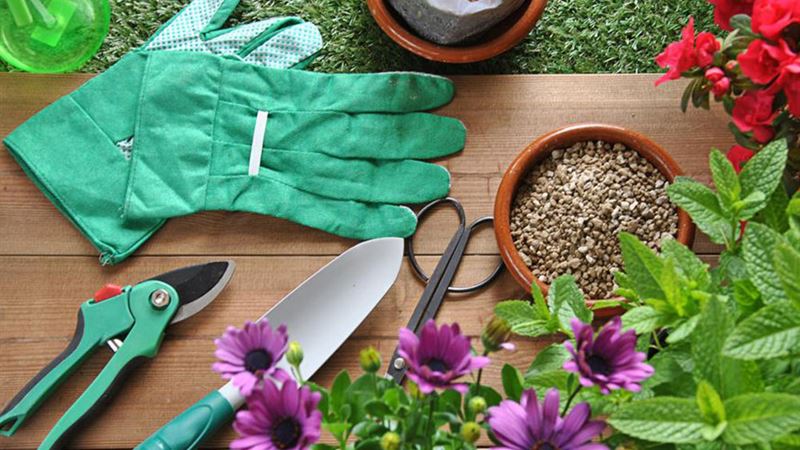
Achieving a lush, healthy garden requires more than just effort; it demands the right tools that make gardening tasks manageable and enjoyable. With a vast array of garden equipment available, choosing the appropriate tools can be overwhelming. However, understanding key factors such as tool quality, ergonomics, and proper maintenance can significantly enhance your gardening experience. This comprehensive guide aims to explore the vital aspects of selecting the best garden tools to ensure your gardening endeavors are efficient, comfortable, and rewarding.
Whether you're a beginner or an experienced gardener, investing in the right tools is crucial for successful gardening. Well-chosen tools can reduce physical strain, improve work precision, and prolong the lifespan of your equipment. Let’s delve into the essential considerations to help you make informed decisions when shopping for garden tools.
Key Factors to Consider When Choosing Garden Tools
- Weight and Grip: One of the most critical aspects to consider is the weight of the gardening tools. Light-weight tools are easier to handle, especially during prolonged gardening sessions, reducing fatigue and physical strain. Pay attention to the handle's design and grip comfort. Tools with wider, non-slip handles provide better control and ease of use. Prioritize ergonomic features that align with your hand size and strength to minimize discomfort and prevent injuries. Choosing tools that are comfortable to grip will make your gardening tasks more efficient and less tiring.
- Material and Durability: The durability and longevity of your gardening tools largely depend on the materials used in their construction. High-quality steel is ideal for tools like pruners, shovels, and hoes because of its strength and resistance to wear and tear. Plastic or fiber-based tools may be lightweight but often lack durability, leading to quicker replacement. When investing in tools, also check for warranty periods that indicate the manufacturer's confidence in their product's longevity and quality. Investing in robust, well-made tools can save money in the long run and enhance your gardening efficiency.
- Handle Length and Ergonomics: Proper handle length is essential for comfort and safety. For example, tools like rakes, shovels, or hoes should accommodate your height to prevent unnecessary bending or stretching, which can strain your back and shoulders. Adjustable or telescopic handles offer flexibility and personalized comfort. Preference should also be given to tools that are designed to reduce bending and twisting motions, thereby minimizing the risk of musculoskeletal injuries during extended use.
- Versatility and Features: When selecting garden tools, consider models that offer interchangeable heads or multi-functionality. These versatile tools can perform multiple tasks, such as digging, aerating, pruning, and cultivating, reducing the number of tools needed. Look for features like power-assisted options, especially for heavy-duty work, to ease physical effort. Investing in tools with ergonomic handles, shock absorption, and lightweight construction will further enhance comfort and efficiency.
Proper Storage and Maintenance of Garden Tools
Effective storage is vital for preserving your garden equipment. Find a dedicated space, such as a shed or a toolbox, to keep your tools protected from weather elements. Metal tools should be kept dry to prevent rusting, and plastic or fiber parts should be stored in a clean, dry environment. Using a proper storage solution will prolong your tools' lifespan, keep them organized, and ensure they are ready for use whenever needed.
Regular cleaning and maintenance are crucial for maintaining optimal functionality. After each use, clean your tools thoroughly to remove dirt, mud, and plant debris. Wipe metal blades and parts with a dry cloth and apply a light coat of oil to prevent rust. For pruning shears and blades, sterilize them regularly, especially after cutting diseased plants, to prevent the spread of pests and disease. Proper maintenance not only enhances the performance of your tools but also extends their lifespan, saving you money over time.
Final Tips for Choosing the Right Garden Tools
- Assess your gardening needs carefully before purchasing tools. There’s no point in buying heavy-duty equipment if you’re only working with small flower beds or containers.
- Make ergonomic design a priority. Comfort can significantly reduce fatigue and increase productivity.
- Opt for high-quality, durable materials that withstand regular use.
- Invest in versatile tools with interchangeable parts to maximize functionality and value.
- Allocate space for proper storage and commit to routine cleaning and maintenance for longevity.
By following these guidelines, you can build a collection of high-performing, durable, and comfortable gardening tools. The right equipment will not only streamline your gardening tasks but also make the process more enjoyable and less physically demanding. With proper care and selection, your tools will serve you for many seasons, supporting a thriving garden.