
Understanding Liver Cirrhosis: Progression, Prevention, and Management
Liver cirrhosis is a serious condition resulting from prolonged liver damage, often due to viral hepatitis, alcohol abuse, or fatty liver disease. Understanding its stages, symptoms, and preventive measures can help in early detection and effective management, potentially improving quality of life. This comprehensive guide elaborates on how cirrhosis develops, the differences between compensated and decompensated stages, and how lifestyle choices, vaccinations, and medical treatment can prevent or slow its progression. Early intervention remains key to avoiding severe complications and ensuring better health outcomes.
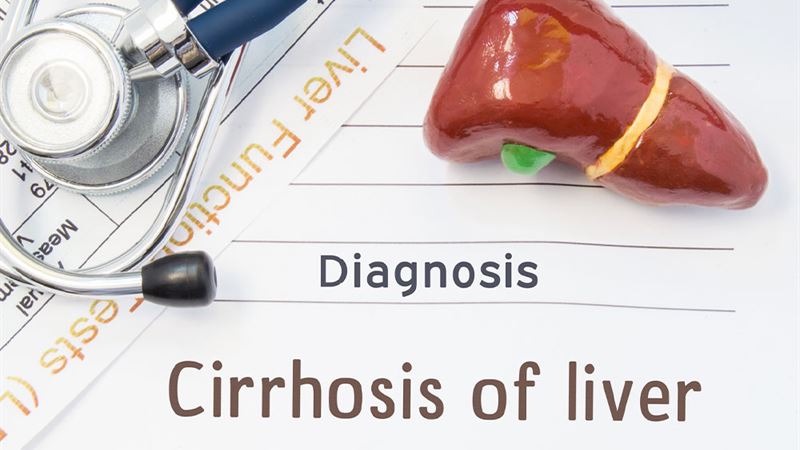
Is Liver Cirrhosis Reversible?
By the time liver cirrhosis is diagnosed, the damage is often extensive and irreversible. However, the trajectory of the disease depends heavily on the stage at which it’s caught. Early detection of liver disorders and prompt intervention can slow progression or halt the development of cirrhosis. Once the liver reaches an advanced stage, however, the extent of damage limits treatment options, and management focuses on controlling symptoms and preventing further deterioration.
Liver Cirrhosis: Different Stages and What They Mean
Medical professionals classify liver cirrhosis into distinct stages based on the liver’s functional capacity and structural changes. These are generally categorized as “compensated” and “decompensated” cirrhosis, which guide treatment decisions. The distinction hinges on how well the liver can perform its vital functions despite damage and scarring.
Compensated Cirrhosis
In this early stage, most individuals do not experience noticeable symptoms. The liver, despite being scarred, still retains enough healthy tissue to carry out essential biological tasks. Because of this functional reserve, patients might remain asymptomatic for years, even decades. Regular monitoring and lifestyle adjustments can help sustain liver health during this period.
Decompensated Cirrhosis
As the disease progresses, the liver's ability to compensate diminishes. Symptoms become evident, including jaundice, swelling due to fluid retention (ascites), abdominal pain, easy bruising, bleeding, and mental confusion. At this advanced stage, the liver's extensive scarring impairs blood flow and critical functions, leading to severe health complications. Managing decompensated cirrhosis necessitates comprehensive medical care and often includes liver transplantation as a definitive treatment.
What Does Living with Cirrhosis Entail?
Once cirrhosis has caused significant damage, reversing it is generally not possible. Nonetheless, the remaining healthy tissue can continue to function, and with proper care, some individuals can maintain an acceptable quality of life. If the condition stems from conditions like hepatitis, early antiviral treatment can reduce further damage and complications. For many patients diagnosed early, lifestyle modifications, medication adherence, and regular medical checkups enable them to lead active, fulfilling lives.
The extent of liver damage varies among individuals. Since the liver is one of the body's largest organs, it has a considerable regenerative capacity. Effective disease management depends on identifying the primary cause and minimizing additional harm. Maintaining a balanced diet, avoiding alcohol, managing weight and blood sugar levels, and staying vigilant about medication use are fundamental steps to slow disease progression.
Consulting healthcare professionals for diagnosis, ongoing monitoring, and tailored treatment plans is paramount. Personalized strategies are essential to manage symptoms and prevent further complications associated with cirrhosis.
Strategies to Prevent Liver Cirrhosis
Preventing cirrhosis relies heavily on avoiding the risk factors that cause liver damage. The most common cause is viral hepatitis, especially hepatitis B and C infections, which can lead to chronic inflammation and scarring of liver tissue. Understanding how to reduce the risks associated with these infections is critical to liver health preservation.
Hepatitis and Its Role in Cirrhosis Development
Viral hepatitis B and C are major contributors to chronic liver disease worldwide. These viruses primarily spread through contact with infected blood, semen, or other bodily fluids. Sharing needles, unprotected sexual contact, and contaminated medical equipment are common modes of transmission. Chronic hepatitis infections can quietly damage the liver over years, eventually resulting in cirrhosis if left untreated.
Vaccination and its Importance
Vaccines play a vital role in preventing hepatitis B. Healthcare workers, individuals with multiple sexual partners, and those in high-risk settings are strongly encouraged to get vaccinated. Although no vaccine exists for hepatitis C, ongoing research aims to find effective prevention strategies. Vaccination reduces the risk of infection and subsequent liver complications significantly.
Additional Preventive Measures
- Limit alcohol consumption: Excess alcohol intake directly damages liver cells and accelerates scarring.
- Practice safe sex and avoid sharing needles or personal items that can carry blood.
- Maintain a healthy weight: Obesity is linked to fatty liver disease, which can progress to cirrhosis.
- Have regular medical checkups if exposed to risk factors or diagnosed with hepatitis B or C.
- Follow medical advice for managing existing liver conditions to prevent further damage.
Incorporating these practices into daily life can dramatically reduce the risk of developing cirrhosis and help maintain overall liver health.
In conclusion, proper prevention, early detection, and effective management are vital in combating liver cirrhosis. By understanding the causes and recognizing the signs in early stages, individuals can take proactive steps toward avoiding irreversible liver damage and enjoying a healthier life.