
Comprehensive Guide to Various Carpet Types and Their Best Uses
Discover the essential differences between various carpet types, including cut pile and loop pile, and learn which options are best suited for different areas and traffic levels. This comprehensive guide helps homeowners and interior designers choose durable, stylish, and functional carpets based on usage, material, and construction details.
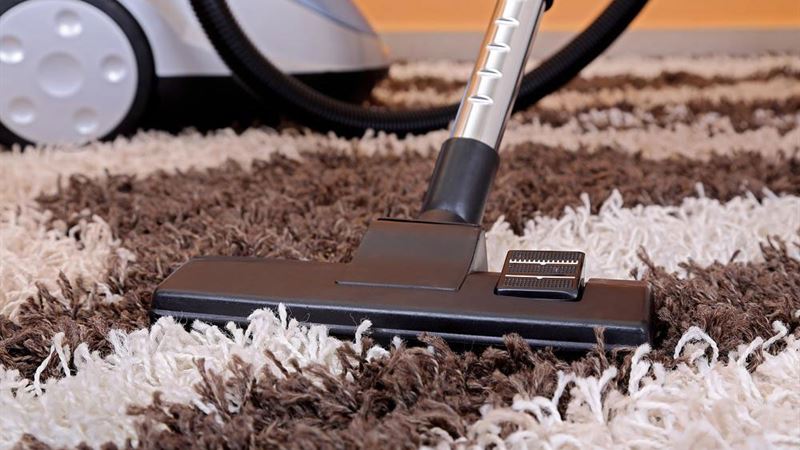
Choosing the right carpet for your space requires careful consideration of multiple factors, including durability, style, and traffic levels. The frequency of foot traffic significantly influences the selection process; high-traffic areas demand sturdy, resilient materials, while areas with less activity can feature plush, soft textures. For example, entryways, hallways, and living rooms often experience heavy footfall, necessitating durable carpets that can withstand daily wear and tear. Conversely, bedrooms and formal spaces may benefit from softer, more luxurious options that prioritize comfort and aesthetic appeal.
Understanding the primary classifications of carpets is essential for making an informed choice. Broadly speaking, carpets are divided into two main types based on their construction and pile styles: cut pile and loop pile carpets. Each type offers unique benefits and applies to different environments depending on usage requirements and aesthetic preferences.
Main Types of Carpets
Cut pile carpets are characterized by fibers that are cut evenly across the surface, resulting in a plush, smooth finish. This style provides a soft, inviting feel underfoot, making it ideal for residential interiors focused on comfort. These carpets typically feature a uniform height of fibers, creating a consistent surface that is gentle to walk on. They are especially popular in living rooms and bedrooms, where softness and aesthetic appeal are priorities. Common materials used for cut pile carpets include nylon, polyester, triexta, and wool, each offering different levels of durability, stain resistance, and softness.
Loop pile carpets, contrastingly, are constructed with fibers that are looped through the backing material without any cutting, resulting in a textured, patterned surface. This structure imparts increased durability and resistance to crushing and matting, making them suitable for high-traffic areas like hallways, stairs, and commercial spaces. The loops can be uniform or varied in height, creating different textures and design patterns. Loop pile carpets are often crafted from polypropylene, wool, or nylon, and are known for their robustness and longevity.
Exploring Subcategories of Carpet Types
Within the broad categories of cut pile and loop pile, several subtypes cater to specific needs and stylistic preferences. For cut pile carpets, two prominent subdivisions are textile carpets and frieze carpets. Textile carpets are typically characterized by fibers cut at a consistent length, giving a smooth, sleek appearance. They are commonly used in areas with moderate foot traffic due to their softness but may show signs of wear more quickly in heavily used spaces.
Frieze carpets, on the other hand, feature fibers that have been twisted more tightly before being cut, resulting in a textured, curly appearance that helps conceal footprints and staining. This style enhances durability and resilience, making it a popular choice for busy households and commercial settings. Both textile and frieze carpets can be made from similar materials, but their finishing processes yield distinct visual and tactile characteristics.
Meanwhile, loop pile carpets include styles such as level loop and patterned loop carpets. Level loop carpets feature uniformly looped fibers, creating a tight, flat surface that resists crushing and marking. This durability makes them suitable for commercial environments and high-traffic residential zones. Berber carpets fall under this category and are renowned for their rich history and traditional craftsmanship, although modern manufacturing techniques have made them more durable and accessible.
The patterned loop carpets introduce visual interest through varying loop heights and designs. These carpets combine different textures and colors, offering unique aesthetic options that can accentuate interior decor. Modern manufacturing has expanded the possibilities, blending traditional techniques with contemporary designs for versatile and long-lasting flooring choices.
When selecting a carpet, it's crucial to analyze your specific needs carefully: consider the level of foot traffic, desired appearance, and maintenance requirements. The right choice balances durability with style, ensuring the carpet not only looks good but also stands the test of time.