
Comprehensive Guide to Eczema: Causes, Symptoms, and Effective Treatments
This comprehensive article explores eczema in detail, covering its various causes, symptoms, and modern treatment options. It highlights the importance of understanding different eczema types, triggers, and home remedies for effective management. Whether you suffer from mild or severe eczema, this guide provides valuable insights to help you gain control of your skin health and improve your quality of life.
Root causes of eczema: An in-depth exploration
Determining the root causes of eczema involves understanding both genetic and environmental factors. Eczema has a strong hereditary component, especially in individuals whose parents have a history of allergic conditions or skin issues. Genes play a pivotal role in skin barrier function, immune response, and susceptibility to irritants. When skin's protective barrier is compromised, it allows allergens, microbes, and environmental irritants to penetrate more easily, triggering inflammatory responses.
Beyond genetics, external factors significantly contribute to eczema flare-ups. Allergens such as pet fur, molds, dust mites, dandruff, and certain microbes like bacteria and fungi can provoke or worsen the condition. Exposure to these triggers can sensitize the skin, leading to persistent eczema or flare-ups.
Dietary factors also influence eczema. Particularly in children, food allergies to eggs, nuts, wheat, soy, dairy, and certain fruits can heighten the risk of eczema. Additionally, external conditions like stress, temperature fluctuations, humidity levels, hormonal changes, and contact with irritants—such as wool, rough fabrics, or harsh soaps—are common external triggers.
The specific causes vary for each type of eczema, detailed as follows:
- Atopic dermatitis: Results from genetic predisposition leading to impaired skin immunity, increased dryness, and environmental sensitivities.
- Contact dermatitis: Caused by direct contact with irritants like latex, cosmetics, perfumes, soaps, detergents, nickel-containing jewelry, and chemical solvents.
- Dyshidrotic eczema: Often linked to damp skin, allergies, exposure to metals like nickel or cobalt, and associated with other conditions like hypertension.
- Hand eczema: Triggered by frequent exposure to chemicals in cleaning products, healthcare supplies, or hairdressing agents.
- Neurodermatitis: Linked primarily to stress and underlying eczema conditions, leading to persistent itching and skin thickening.
- Nummular eczema: Often occurring alongside other eczema types, this form can result from insect bites, skin dryness, or allergic reactions to chemicals and metals.
- Stasis dermatitis: Results from circulatory issues in the lower limbs, often associated with varicose veins and chronic venous insufficiency.
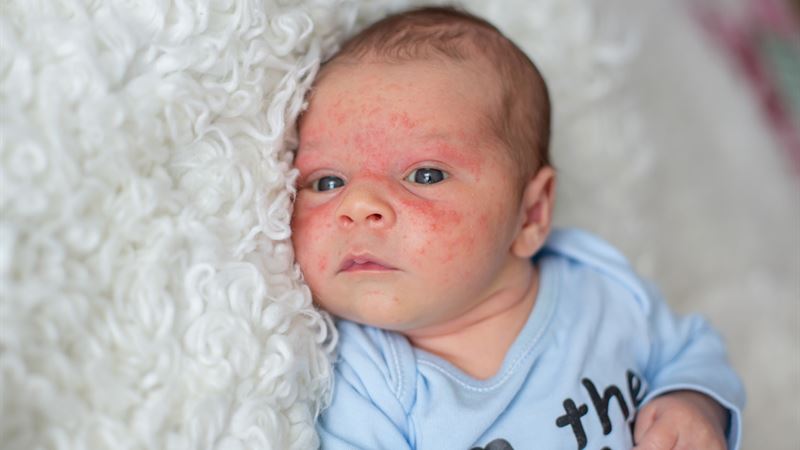
Recognizing the symptoms of eczema is crucial for timely intervention. Common signs include dry, scaly, and itchy skin patches, which may become thickened over time due to scratching. The affected areas are prone to cracking, bleeding, and infection if not properly managed. Rashes typically present as red bumps or plaques filled with fluid, which may ooze or crust. In some individuals, notably children and adults with sensitive skin, eyelids may appear swollen, red, and itchy—a classic sign of eczema. The most common locations include the face, neck, elbows, wrists, groin, knees, and ankles, although any skin area can be affected.
Approaches to managing and treating eczema involve both medical intervention and lifestyle modifications. Pharmacological treatments primarily include antihistamines such as diphenhydramine to reduce itching, corticosteroid ointments to control inflammation, and calcineurin inhibitors like tacrolimus and pimecrolimus for immune modulation. Phototherapy using ultraviolet light can also be effective in reducing flare-ups.
For moderate to severe cases, systemic medications like cyclosporine, methotrexate, and azathioprine may be prescribed. Recently, biologic agents such as Dupilumab have shown promise in targeting inflammatory pathways specific to eczema, significantly improving quality of life for many patients.
Besides medications, adopting simple home remedies plays a pivotal role in eczema management. Regular warm baths with gentle, scentless cleansers help soothe irritated skin. It is essential to pat the skin dry gently rather than rubbing, to prevent further irritation. Maintaining skin hydration with hypoallergenic moisturizers, especially after bathing, helps reinforce the skin barrier. Using mild, fragrance-free skincare products and detergents minimizes exposure to irritants. Additionally, avoiding known triggers—such as harsh fabrics, certain foods, and environmental allergens—can prevent flare-ups. Lifestyle adjustments like stress reduction techniques, wearing breathable clothing, and maintaining optimal humidity levels indoors are beneficial. Consistent skincare routines and prompt treatment of infections further support long-term management.
Understanding eczema comprehensively empowers individuals to adopt effective strategies for control and relief. Whether through medical treatment or lifestyle changes, proper management can significantly improve patients' quality of life, reduce flare-ups, and prevent long-term skin damage. Consulting a dermatologist for tailored treatment plans is highly recommended for persistent or severe cases. Recognizing early symptoms and understanding causes are vital steps in combating this chronic skin condition effectively.