
Comprehensive Guide to Understanding Brain Cancer: Causes, Symptoms, and Treatment Options
This comprehensive guide delves deep into brain cancer, covering its causes, symptoms, and treatment options. It emphasizes early detection through symptom awareness and explores modern therapies like surgery, radiation, and chemotherapy. Understanding these aspects helps patients and caregivers make informed decisions and seek timely medical intervention, improving survival chances. The article underscores the importance of a multidisciplinary approach, tailored to the individual patient's needs, in managing this challenging disease effectively and compassionately.
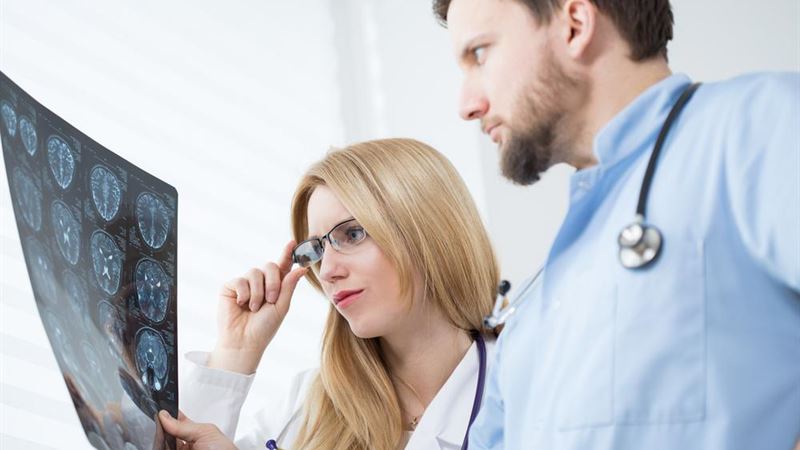
Understanding the Origins of Brain Cancer
Brain cancer primarily results from abnormal, uncontrolled growth of cells within the brain tissue. These rogue cells form tumors, which can be benign or malignant, with malignant tumors being more aggressive and life-threatening. The exact mechanisms initiating this cellular instability involve genetic mutations, environmental factors, exposure to carcinogens, and sometimes inherited predispositions. While the precise cause remains elusive in many cases, research indicates that mutations in specific genes responsible for regulating cell growth and death are key contributors.
Recognizing the Symptoms of Brain Cancer
Early detection of brain cancer often hinges on identifying symptoms that are sometimes mistaken for other neurological or health issues. Persistent or worsening symptoms warrant prompt medical evaluation. Common signs include:
- Chronic dizziness and balance problems
- Muscle weakness or paralysis
- Severe, persistent headaches, especially in the morning
- New-onset seizures
- Visual disturbances like blurred or double vision
- Prolonged nausea and vomiting
- Altered mental state or confusion
- Increased sleepiness or fatigue
- Difficulty sensing or perceiving stimuli
- Speech difficulties or confusion in speech
- Voice changes or hoarseness
- Behavioral or personality shifts
- Loss of coordination and unsteady movements
- Persistent tiredness or exhaustion
- Memory lapses or cognitive impairments
- Generalized body weakness
Symptoms vary depending on the tumor's location within the brain lobes. Each brain lobe has specific functions, and impact severity correlates with the affected region. For example, tumors in the frontal lobe can cause personality and behavior changes, while those in the cerebellum may lead to balance issues.
Another notable symptom can be a spike in body temperature, often associated with side effects from treatments like chemotherapy.
Available Treatment Modalities for Brain Cancer
Managing brain cancer typically involves a combination of therapies tailored to the tumor's size, location, and malignancy grade. The main treatment approaches include:
- Surgical intervention
- Radiation therapy
- Chemotherapy
Surgical Removal
Surgery aims to excise as much of the tumor as possible, especially when the tumor is deemed operable. The procedure involves a craniotomy, where the surgeon carefully opens the skull to access and remove tumor tissues. Complete removal can be curative or help reduce tumor size, alleviating symptoms.
However, not all tumors are suitable for surgery. In cases where the tumor is located near critical brain structures or involves deeply embedded areas, surgery may pose significant risks. Here, a thorough evaluation, including second opinions, is vital before deciding against surgical intervention.
Radiation Therapy
This modality employs high-energy radiation beams—such as gamma rays and X-rays—to target and destroy cancer cells. Radiation damages the genetic material within dividing cells, impairing their ability to proliferate. It can be delivered externally via stereotactic radiosurgery or through implantable devices.
Radiation therapy is often used post-surgery to eliminate residual cancer cells or as a primary treatment in unresectable tumors.
Chemotherapy
Chemotherapy involves administering anti-cancer drugs that target and destroy tumor cells. These drugs can be delivered orally, intravenously, or through surgically implanted reservoirs or ports directly at the tumor site. Combination therapies often improve effectiveness, and chemotherapy can be used alongside surgery and radiation to maximize treatment outcomes.
Newer targeted therapies are also emerging, aiming to inhibit specific molecular pathways involved in tumor growth, offering hope for more effective and less toxic treatments.