
Comprehensive Guide to Meningitis: Causes, Prevention, and Vaccination Strategies
This comprehensive guide explores meningitis causes and prevention through vaccination. It highlights available vaccines, target groups, and safety precautions to help individuals understand how to protect themselves against this serious disease. Stay informed about vaccination schedules and learn how timely immunization can save lives and prevent severe complications.
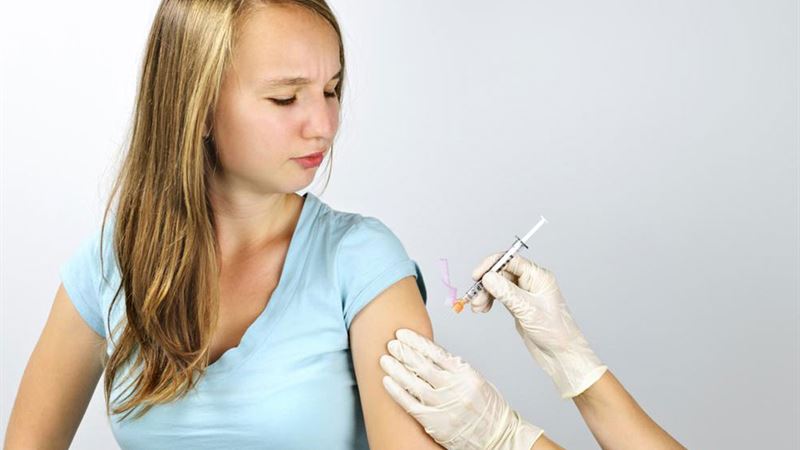
Meningitis is a serious and potentially life-threatening condition involving the inflammation of the membranes covering the brain and spinal cord. Understanding its causes, symptoms, risk factors, and especially its prevention through vaccination is crucial for safeguarding individual and public health. This article delves deep into the various types of meningitis, the vaccines available, who should get vaccinated, and important precautions to consider. We aim to provide comprehensive information to help individuals make informed decisions about preventing this dangerous disease.
What Is Meningitis? An Overview of the Disease and Its Impact
Meningitis refers to inflammation of the meninges—the protective membranes surrounding the brain and spinal cord. It can be caused by bacterial, viral, fungal, or parasitic infections. Among these, bacterial meningitis is often the most severe and requires prompt medical intervention, while viral meningitis tends to be less severe and often resolves on its own. The disease can strike people of all ages, but certain groups are at higher risk, including infants, young children, adolescents, and immunocompromised individuals.
Symptoms and Signs to Watch For
Early symptoms of meningitis can resemble those of the flu: fever, headache, neck stiffness, and nausea. As the disease progresses, symptoms may intensify and include sensitivity to light, confusion, seizures, and in severe cases, coma. Recognizing these symptoms early can be lifesaving; immediate medical attention is essential once meningitis is suspected.
Understanding the Causes of Meningitis
The etiological agents responsible for meningitis are diverse and depend on geographic, seasonal, and individual health factors. Bacterial causes are among the most dangerous, with organisms such as Neisseria meningitidis (meningococcus), Streptococcus pneumoniae (pneumococcus), and Haemophilus influenzae type b (Hib). Viruses like enteroviruses, mumps virus, and herpes simplex can also cause meningitis. Fungal meningitis, though less common, can occur in immunocompromised states, with Cryptococcus being a notable pathogen. Parasitic infections, such as those caused by Acanthamoeba, are rarer but still noteworthy.
Types of Meningitis and Their Specific Risks
Bacterial meningitis is the most urgent and deadly form, often resulting in serious complications like brain damage, hearing loss, or death if not treated promptly. Viral meningitis, which is more common, generally has a better prognosis and often resolves without specific treatment. Fungal meningitis tends to develop in people with weakened immune systems and can be difficult to treat. Parasitic meningitis, though rare, represents a significant health challenge in certain regions.
The Vital Role of Vaccination in Prevention
Vaccines are the front line of defense against many types of bacterial meningitis. The most common preventive vaccines include the MenACWY (meningococcal conjugate vaccine), MenB (serogroup B meningococcal vaccine), and Hib (Haemophilus influenzae type b vaccine). Additionally, pneumococcal vaccines like PCV13 and PPSV23 protect against Streptococcus pneumoniae. Vaccination not only reduces individual risk but also contributes to herd immunity, protecting vulnerable populations who cannot be vaccinated.
Key Vaccines for Meningitis Prevention
- Meningococcal Conjugate Vaccine (MCV4): Protects against four serogroups of meningococcus (A, C, W, Y). Recommended for all adolescents at age 11–12, with a booster at age 16. It’s also advised for military recruits, students in dormitories, travelers to endemic regions, and individuals with certain medical conditions.
- Meningococcal B Vaccine (MenB): Offers protection against serogroup B, which accounts for many meningococcal disease cases, especially in the United States. Recommended for people at increased risk or during outbreaks.
- Haemophilus influenzae type b (Hib) Vaccine: Prevents infections caused by Hib bacteria, which can lead to meningitis, pneumonia, and other severe illnesses. Usually administered in infancy.
- Pneumococcal Vaccines (PCV13 & PPSV23): Protect against pneumococcal bacteria, a common cause of bacterial meningitis among young children and adults with certain health issues.
Infants typically receive Hib and pneumococcal vaccines as part of their routine immunization schedule. Children at around 11–12 years are advised to get the MCV4 vaccination, followed by a booster at age 16 to maintain immunity. Adults at higher risk—including healthcare workers, travelers, and immunocompromised individuals—should consult their healthcare providers about vaccination options.
Additional Considerations and Precautions
While vaccines are highly effective, certain precautions can enhance their safety and efficacy:
- If someone is feeling unwell or has a fever, they should postpone vaccination until they recover.
- Individuals with known allergies to vaccine components should inform their healthcare provider before vaccination.
- Minor side effects such as pain at the injection site, mild fever, or fatigue are common. Severe allergic reactions are rare but require immediate medical attention.
- In case of adverse reactions like high fever, difficulty breathing, or swelling, seek immediate medical care.
High-risk groups include:
- Adolescents aged 11–18, especially those entering high school or college dorms.
- Infants and young children, who are most vulnerable to meningitis infections.
- People traveling to regions with high meningitis prevalence, such as parts of Africa’s meningitis belt, or endemic areas.
- Military personnel and recruits living in close quarters.
- Individuals with compromised immune systems, chronic illnesses, or asplenia (absence of spleen).
- Healthcare workers and laboratory personnel handling infectious agents.
Many misconceptions exist regarding meningitis and vaccines. Some believe vaccines cause severe side effects or that they are unnecessary for adults. However, scientific evidence overwhelmingly supports their safety and importance. Vaccination remains the most effective strategy to prevent meningitis infection and its severe consequences.
Conclusion: Stay Protected and Informed
Understanding meningitis, its causes, and the crucial role of vaccination can save lives. Ensuring that at-risk populations get vaccinated, following recommended schedules, and adhering to safety precautions are key steps in combating this deadly disease. Always consult healthcare providers for personalized advice and stay informed about updates in meningitis prevention strategies.