
Comprehensive Guide to Ultraviolet Water Filtration Technology and Its Benefits
Discover the ins and outs of ultraviolet water filtration technology, understanding its components, working principles, advantages, and limitations. Learn how UV systems effectively disinfect water, making it safe for household and industrial use, while exploring best installation and maintenance practices. Empower yourself with knowledge to choose the right water purification solution for clean, safe drinking water.
Understanding Ultraviolet Water Filtration: How It Works and Why It’s Essential
Ensuring access to safe and clean drinking water is a fundamental concern for households, industries, and municipalities worldwide. Among the advanced water purification technologies, ultraviolet (UV) water filtration stands out for its effectiveness in disinfecting water without the use of chemicals. This detailed guide explores the mechanisms underlying ultraviolet water filtration, its advantages, limitations, and practical applications, providing readers with a comprehensive understanding of this vital technology.
The Core Components of UV Water Purification Systems
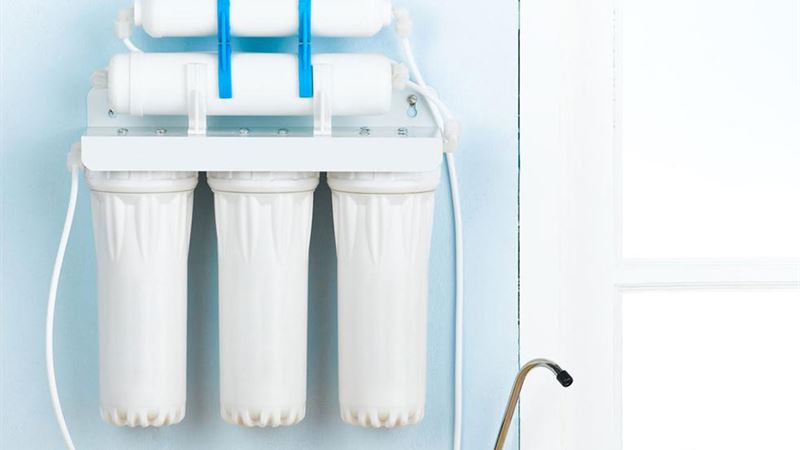
At the heart of the UV water purification process is the flow chamber, which houses the UV light source. As water flows through this chamber, it is exposed to intense ultraviolet radiation, which destroys harmful microorganisms present in the water. Most UV systems utilize mercury vapor lamps—popularly known as germicidal lamps—that emit UV-C rays capable of inactivating bacteria, viruses, and protozoa.- How the UV Light is Generated
- The germicidal lamp operates by creating an electric arc that vaporizes the mercury inside the lamp. This vaporization produces short-wavelength UV rays—typically around 253.7 nanometers or Armstrong units—known for their germicidal properties. The lamp is constructed using special quartz glass, which permits the transmission of these short UV wavelengths while blocking out other wavelengths, ensuring efficient disinfection.
- Design and Material Considerations
- The lamp's quartz glass is engineered to withstand high temperatures and pressures, enabling continuous operation. Its design ensures maximum UV penetration into the water, optimizing the disinfection process.
Pre-Filtering for Optimal UV Disinfection
- Before water is exposed to UV radiation, it typically passes through a pre-filtration stage. This step involves removing turbidity, sediments, and particulates that could obstruct UV penetration. Usually, a 5-micron filter is employed to clarify the water and improve sterilization efficiency.
- This pre-treatment ensures that the UV rays can effectively reach and inactivate microorganisms, which is crucial for achieving the desired level of water purity.
- Proper pre-filtration also extends the lifespan of UV lamps and reduces maintenance frequency, making the system more cost-effective over time.
Advantages of UV Water Filtration Systems
- Cost-Effective and Environmentally Friendly
- UV purification systems are generally affordable, with small units starting around $250 for localized use, while comprehensive whole-house systems cost approximately $1500. They provide an economical solution for maintaining water safety.
- Effective Disinfection]
- UV technology effectively kills or inactivates bacteria, viruses, and protozoa, including chlorine-resistant pathogens like cryptosporidium and giardia. This makes it an excellent choice for ensuring microbiologically safe drinking water.
- Minimal Chemical Use and No Byproducts
- Unlike chemical disinfectants, UV systems do not introduce harmful residues or byproducts into the water, making it safe for drinking and other household uses.
- Low Energy Consumption
- The typical UV lamp consumes as little as 100 watts, making it an energy-efficient option that minimizes operating costs. It is suitable for continuous use without significantly increasing electricity bills.
- Ease of Installation and Maintenance
- UV purification units are simple to set up and require minimal maintenance. Replacing UV lamps is straightforward and generally needed once a year or as specified by the manufacturer. Their compatibility with household plumbing is also a major advantage.
Limitations and Challenges of UV Water Treatment
- Dependency on Power Supply
- Since UV systems rely on electricity to operate, power outages can disable the disinfection process. During such times, alternative water treatment methods should be employed to maintain safety.
- Inability to Remove Chemical Contaminants
- UV filtration mainly targets microbiological contaminants. It does not remove inorganic chemicals, heavy metals, or dissolved substances, which may require additional filtration or treatment technologies.
- Maintenance and Effectiveness Monitoring
- Because UV rays are invisible, users cannot visually confirm whether the system is functioning properly. Regular maintenance, including scheduled lamp replacements, is essential for sustained effectiveness.
- Potential for Biofilm Formation
- If the system is not properly maintained, biofilms can develop inside the chamber, reducing UV effectiveness and necessitating thorough cleaning or system overhaul.
Applications of UV Water Filtration Technology
- Residential Use
- Many households install UV systems to ensure the microbiological safety of their drinking water, especially in areas with contaminated sources. These units are ideal for point-of-entry or point-of-use applications.
- Commercial and Industrial Use
- Businesses such as restaurants, hotels, and healthcare facilities utilize UV filtration to meet stringent health and safety standards. Industries requiring high-purity water also rely on UV systems for pre-treatment.
- Municipal Water Treatment
- Municipalities incorporate UV sterilization in their water treatment plants to provide safe drinking water to communities, complementing conventional filtration and chemical disinfection processes.
- Aquaculture and Agriculture
- UV technology is used to disinfect water in aquaculture facilities and irrigation systems, promoting healthier plant and animal populations by reducing microbial loads.
Final Thoughts: Is UV Water Filtration Right for You?
UV water filtration systems offer a robust, chemical-free approach to ensuring microbiologically safe water. Their cost-effectiveness, ease of use, and environmental benefits make them an attractive choice for various applications. Nonetheless, understanding their limitations is essential for making informed decisions. Combining UV treatment with other filtration methods can provide comprehensive water safety, especially in areas with varied contamination challenges. Regular maintenance and system checks are vital to ensure optimal operation and long-term reliability of UV disinfection units.
By investing in a quality UV water filtration system, you can significantly improve water safety in your home, business, or community, contributing to healthier living conditions and peace of mind.