
Comprehensive Overview of Central Locking Systems: Functions, Components, and Modern Advancements
Explore the evolution of central locking systems from mechanical to advanced electronic and wireless solutions. Learn about key components like actuators, transponders, remote controls, and keyless start systems that enhance vehicle security, convenience, and user experience. Discover the latest trends in automotive locking technology that are shaping the future of vehicle access and security systems, offering greater safety and ease of use for drivers worldwide.
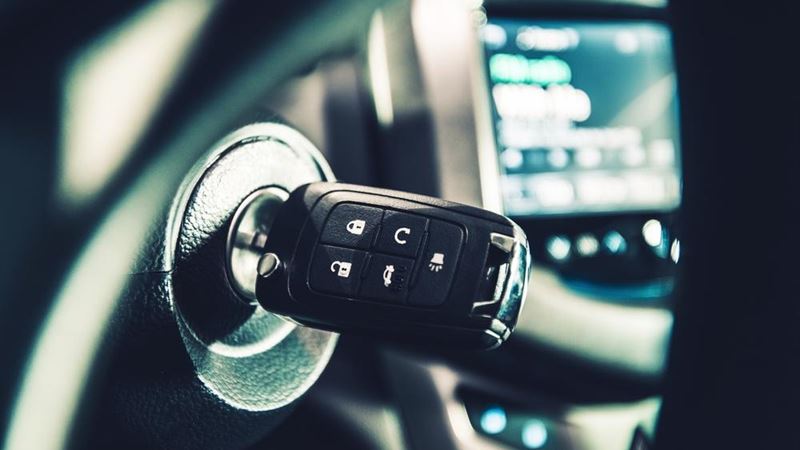
Historically, automobile locking mechanisms were solely mechanical, with each door or vehicle hatch equipped with its own lock that could be operated from outside with a key or from inside using a handle or lever. This design was simple but limited in convenience and security. Over time, technological innovations have transformed car locking systems, making them more sophisticated, user-friendly, and secure.
The early versions of central locking systems incorporated pneumatic actuators that used vacuum reservoirs to synchronize the locking or unlocking process across all doors simultaneously. When a key was turned in the ignition or door lock, these pneumatic systems triggered all door locks at once, providing a basic level of convenience. However, with advances in electronics and wireless communications, these systems evolved significantly.
Modern central locking systems leverage electrical and electronic components to enhance functionality. They now include remote control capabilities, infrared control, and even keyless entry systems that can be operated from a distance. These innovations have resulted in a safer, more convenient experience for vehicle owners, allowing them to lock or unlock their vehicles automatically or remotely with just a press of a button or a touch on a sensor.
Among the most significant upgrades in recent years is the development of keyless entry and start systems. These systems enable drivers to access and start their vehicles without physically using a key—simply carrying a transmitter or key fob in their pocket or bag. When the driver approaches the vehicle, sensors detect the transmitter, and the doors unlock automatically when touched or just by proximity. Starting the engine then involves pressing a button rather than inserting a key, streamlining the entire process.
Below are detailed descriptions of the core components that comprise modern central locking systems, highlighting their roles and technological features:
- Actuator - This is a vital mechanical and electronic component installed within each door. It combines mechanical latches with electric motors that operate the locking and unlocking functions. Most modern actuators use electric drives to quickly and reliably secure or release the vehicle doors based on remote signals, keyless inputs, or other control mechanisms.
- Transponder - Integral to contemporary vehicle security, the transponder is embedded in the key fob or remote transmitter. It is an electronic chip that communicates with the vehicle's immobilizer system, verifying the authenticity of the key before allowing engine start. When the key nears the ignition, the system scans the transponder's unique code; upon validation, it sends a signal to enable engine ignition, enhancing security against theft.
- Remote Control - Increasingly common in all vehicle types, remote controls eliminate the need for physical keys. These systems transmit an encoded signal via radio frequency or infrared to a receiver inside the vehicle, commanding locking and unlocking functions wirelessly. Infrared remotes typically have a limited range of up to 15 meters, but most recent systems employ radio frequency technology, enabling control from distances of up to 100 meters, providing unparalleled convenience and security.
- Start/Stop System - This cutting-edge feature builds upon the transponder technology, making traditional keys redundant. Modern vehicles often have a push-button start system that allows drivers to ignite the engine without inserting a key. This system typically requires the key fob to be inside the vehicle, and the driver simply presses a button to start or stop the engine. Recent innovations include contactless systems where the driver only needs to carry the transmitter and press a pedal to turn the engine on or off, further enhancing user experience and safety.
In conclusion, the evolution of central locking systems reflects ongoing advancements in automotive technology, emphasizing user convenience, safety, and security. From basic mechanical locks to sophisticated wireless and keyless systems, these components have transformed vehicle access and operation, aligning with modern demands for smarter, more efficient driving experiences. As automotive electronics continue to develop, future systems are expected to become even more integrated, offering seamless control and enhanced safety features.