
Comprehensive Guide to Various Types of Automotive Tires
Discover the comprehensive guide to selecting the right tires for your vehicle. From all-season, winter, summer, to off-road options, this article covers all types and specifications to enhance safety, performance, and durability. Learn how to choose the best tires based on your driving needs and environmental conditions for a smoother, safer ride year-round. Expert tips included for maintaining and replacing tires effectively.
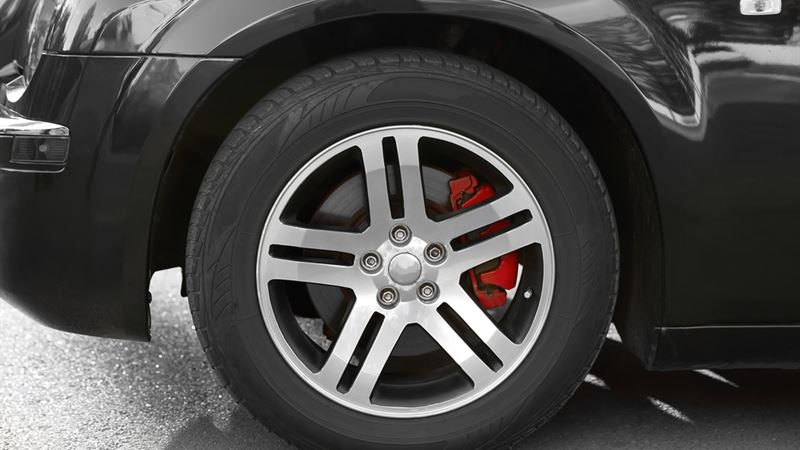
Tires perform a pivotal role in vehicle safety and performance beyond just enabling smooth movement on the roads. They serve as the first line of defense against unpredictable and challenging driving conditions, safeguarding your vehicle from potential damages caused by rough terrains, adverse weather, and hazardous road surfaces. Properly selected tires contribute significantly to maintaining optimal handling, braking efficiency, and fuel economy, ultimately ensuring safety for both passengers and cargo.
Over time, tires wear out and lose their effectiveness despite their durability. Recognizing when to replace tires and choosing the right type for your vehicle is a crucial aspect of vehicle maintenance. It's essential to pay close attention to tire specifications such as size, load capacity, and speed ratings to ensure compatibility with your car's make and model. Using unsuitable tires can compromise safety, comfort, and vehicle longevity.
Understanding Tire Types and Specifications
Automotive tires come in various designs tailored to different vehicle types, driving conditions, and seasons. Selecting the appropriate tires involves understanding the functions and features of each type to match your driving habits and regional climate.
All-season tires are engineered to provide a balance of performance across multiple weather conditions, making them a popular choice among drivers seeking convenience. While they offer versatile protection—handling light winter conditions, warm summer roads, and transitional periods—they may not excel in extreme weather or specialized performance scenarios.
For enthusiasts and drivers demanding higher performance, there are specialized tires emphasizing grip, speed, and braking capacity. These performance tires are designed to deliver superior handling and responsiveness, especially suitable for spirited driving and racing enthusiasts who wish to maintain optimal vehicle control throughout the year.
High-Performance and Adventure Tires
High-performance tires, also known as ultra high-performance (UHP) tires, are crafted for speed, agility, and precision handling. These tires are particularly favored by those participating in sports or off-road adventures, where superior traction and steering control are critical. However, these benefits often come with trade-offs, such as increased tread wear and reduced comfort on rough roads, which drivers should consider based on their priorities.
Adventure or off-road tires are specially designed to conquer rugged terrains such as mud, dirt, gravel, and rocky surfaces. The robust construction and aggressive tread patterns of these tires help vehicles maintain grip and stability on uneven surfaces. They are an optimal choice for outdoor enthusiasts who venture into challenging terrains regularly and need reliable traction regardless of weather conditions.
Season-Specific Tires for Optimal Performance
Region-specific weather patterns necessitate dedicated tires for winter and summer use. In regions with harsh winter climates, snow tires—also known as winter tires—are essential for maintaining safety and mobility. These tires feature unique tread designs and rubber compounds capable of handling freezing temperatures and snow accumulation.
Snow tires are manufactured with softer rubber compounds that remain flexible at low temperatures, providing better grip on icy and snowy roads. The tread patterns are designed to channel snow and slush away, preventing slippage and improving traction. The increased number of sipes and grooves enhances grip on icy surfaces.
Meanwhile, summer tires are tailored for warm, dry, and wet conditions prevalent during warmer months. They tend to have a harder rubber composition for durability and optimal contact with the road surface, offering excellent handling, braking, and cornering performance.
In addition to seasonal tires, terrain-specific tires are essential for vehicles operating on challenging landscapes such as rocky, sandy, or muddy roads. These tires feature reinforced sidewalls and specialized tread patterns that ensure better durability and grip, reducing the risks of slippage or puncture. Choosing the right tires according to weather and terrain conditions not only enhances safety but also prolongs the lifespan of your tires.
Choosing the Right Tires for Your Vehicle
To ensure the perfect fit and optimal performance, it is fundamental to consider your vehicle's specifications before purchasing new tires. The vehicle's manual provides valuable information on the recommended tire size, load capacity, and speed ratings, which should be adhered to when selecting replacements.
Matching the tire's speed rating with your driving needs is crucial. For instance, tires rated for higher speeds are essential for sports and high-performance vehicles, while standard ratings suffice for everyday commuting. Comfort and driving experience should also influence your choice—stiffer sidewalls may provide better handling but reduce ride comfort.
The treadwear indicator on tires offers an approximate estimate of their longevity. Although this rating isn't absolute due to varying testing methodologies among brands, it guides consumers in assessing the potential durability of different tires. Selecting tires with higher treadwear ratings can be beneficial for long-term savings and reducing the frequency of replacements.
Moreover, buying tires from reputable vendors or online stores can offer cost savings and a broader selection. Online platforms often provide detailed specifications, customer reviews, and comparative prices, enabling informed decisions. Regular checks and proper maintenance, such as correct inflation and alignment, also extend tire lifespan and ensure safe driving conditions.