
Understanding the Different Types and Designs of Mattress Layers for Optimal Comfort
Discover the intricacies of mattress layer designs and how they impact comfort, support, and temperature regulation. Learn about the differences between firm, medium, and soft mattresses, and how innovative layering technology enhances sleep quality. This comprehensive guide helps you understand the structure behind quality mattresses, ensuring informed purchasing decisions for a restful night’s sleep.
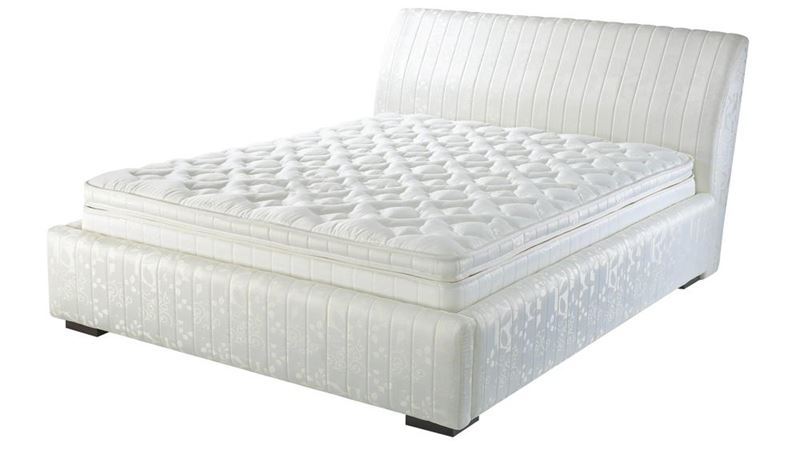
Choosing the right mattress is crucial for ensuring restful sleep and good health. One of the most important aspects to consider is the composition and design of the layers within the mattress. Different brands, such as Tempur Pedic, invest heavily in developing diverse mattress constructions tailored to various support needs, comfort preferences, and climate conditions. The layering technology used in modern mattresses is sophisticated, combining materials and structural design to optimize spinal support, alleviate pressure points, regulate temperature, and improve overall sleep quality.
Mattress layers are constructed with specific purposes, often categorized based on firmness levels: firm, medium, and soft. Each category employs a unique combination of materials and layer arrangements to meet different sleep preferences and requirements. Understanding these variations can help consumers choose a mattress that best suits their health, comfort, and lifestyle needs, while manufacturers continue innovating to enhance sleep experiences globally.
The firmness of a mattress is largely determined by the internal layers and their arrangement. Typically, these layers include dense foams, memory foams, pocket springs, latex, and other supportive composites. The top layers are designed to offer initial softness and comfort, while the middle and lower layers provide support and stability.
In the case of firm mattresses, the design incorporates multiple layers of supportive materials that work together to create a balanced feel. The uppermost layers often feature plush, soft materials that cushion the sleeper, ensuring a gentle initial contact. Beneath these lie denser foams or spring systems that prevent excessive sinking and offer resilient support. This layered configuration ensures that even in various sleeping positions, the body receives adequate support without sinking too deeply, thereby preventing unnecessary strain on the spine and joints.
One of the key benefits of layered mattress design is the ability to tailor support and comfort. For instance, a firm mattress includes a combination of softer and firmer layers strategically positioned to balance pressure relief with necessary support. These layers also mitigate the risk of developing pressure points, which can cause discomfort and disturb sleep. Such thoughtful layer design results in a mattress that feels dense yet comfortable, providing a supportive sleep surface that adapts to the body's contours.
Temperature regulation is another critical aspect influenced by the layer structure. Brands like Tempur Pedic incorporate specific materials in their layers to manage moisture and heat dissipation effectively. The top cover of these mattresses is often crafted from breathable fibers that wick moisture away from the body, helping to keep the sleeper dry and comfortable throughout the night. The underlying layers are engineered to facilitate airflow, reducing heat buildup which can otherwise cause discomfort or disrupt sleep.
The bottommost layer often acts as a foundation, providing overall stability and heat dissipation. Typically, this layer is thicker and firmer, designed to support the entire structure and prevent sagging over time. It also plays a crucial role in maintaining the temperature, ensuring the surface remains within a comfortable range despite environmental changes. Proper heat management is essential not only for comfort but also for promoting healthy sleep patterns and preventing issues related to overheating or excessive cold.
For medium firmness mattresses, the layer architecture includes a dynamic support system with integrated springs or pocket coils positioned just above the base layer. This spring system offers responsive support and motion isolation while maintaining a moderate level of firmness. This setup provides a balanced feel for sleepers who prefer neither too hard nor too soft surfaces, making it suitable for a wide range of users.
Soft mattresses, on the other hand, prioritize plushness and deep contouring at the top. Multiple soft layers, such as memory foam or plush latex, create a cushioned surface that responds to the sleeper’s movements and adds a sense of sinking into the mattress. These mattresses are ideal for those who enjoy a luxurious, pillow-like sleeping experience and require less support with more emphasis on comfort.
Many modern mattresses feature removable, washable covers, which significantly extend their lifespan and maintain hygiene. These covers help keep the surface clean and inviting, regardless of years of use, supporting both health and aesthetic appeal.
In conclusion, understanding the layered construction of mattresses helps consumers make informed decisions based on their comfort preferences, support needs, and health considerations. Whether choosing a firm, medium, or soft mattress, the thoughtful design of each layer greatly influences sleep quality, durability, and overall satisfaction. As mattress technology continues to evolve, so do options for personalized sleep solutions, ensuring everyone can find a suitable, high-quality sleeping surface tailored precisely to their needs.