
Comprehensive Guide to Muscle Cramps: Causes, Effective Treatments, and Prevention Strategies
Discover an in-depth guide to muscle cramps, exploring their causes, effective treatments, home remedies, and prevention tips. Learn how lifestyle choices, medical conditions, and dehydration contribute to cramps and find practical strategies to manage and prevent them. From stretching exercises to dietary recommendations, this comprehensive article empowers you to keep your muscles healthy and pain-free for a better quality of life.
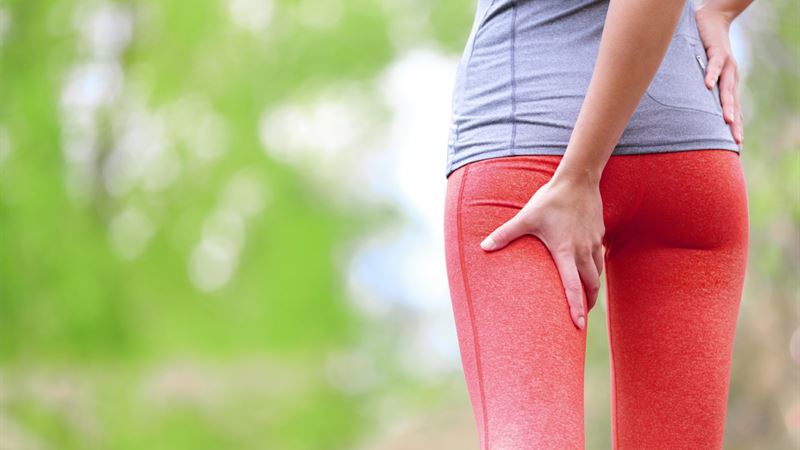
Muscle cramps can be sudden, involuntary contractions or spasms that cause significant discomfort and pain. They can affect anyone at any age, but understanding their underlying causes and effective remedies can help manage and prevent these episodes. This detailed article explores the various factors leading to muscle cramps, explores proven treatments, home remedies, and offers practical prevention tips to keep your muscles healthy and pain-free.
Understanding the Causes of Muscle CrampsMuscle cramps are often perplexing because their precise causes are not always clear. Several factors contribute to their occurrence, ranging from lifestyle choices to underlying health conditions. Recognizing these causes can be pivotal in managing and preventing cramps effectively.
- Physical activity and muscle overexertion: Engaging in intense or unfamiliar physical activities, especially without proper warm-up or cool-down, can lead to muscle fatigue and cramps. Overuse of muscles during exercise or sports activities is a common trigger.
- Exposure to cold temperatures: Sudden exposure to cold water or chilly environments can cause muscles to contract involuntarily, resulting in cramps. Cold weather or immersion in cold water can impair muscle function.
- Pregnancy-related cramps: During pregnancy, especially in the later stages, hormonal and mineral imbalances are common, which can lead to muscle spasms. The growing uterus may also pressure blood vessels and nerves, resulting in cramps, particularly in the legs.
- Prolonged standing or sitting: Standing on hard surfaces for long periods or maintaining awkward positions while sleeping or sitting can strain muscles, leading to cramps.
- Muscle imbalances and poor flexibility: Lack of proper stretching or muscle weakness can predispose muscles to cramping.
- Dehydration and mineral deficiencies: Loss of fluids and essential minerals like magnesium, calcium, and potassium during excessive sweating or inadequate dietary intake can lead to imbalances, provoking cramps.
- Medical conditions: Certain health issues, including circulatory problems, thyroid disorders, multiple sclerosis, kidney disease, and diabetes, can cause recurrent muscle cramps.
Beyond lifestyle causes, some medical conditions directly influence the onset of muscle cramps. Conditions affecting blood flow diminish nutrient and oxygen supply to muscles, increasing cramp risk. Thyroid dysfunction can affect muscle metabolism, leading to spasms. Moreover, various medications are known culprits, including:
- Birth control pills
- Steroids
- Diuretics
- Cholesterol-lowering drugs (statins)
- Antipsychotic medications
These drugs may disturb electrolyte balance or impact muscle function, resulting in cramps.
Dehydration and Mineral ImbalanceMaintaining proper hydration is crucial for muscle health. When fluid levels are deficient, electrolyte imbalances cause abnormal muscle contractions. This is especially prevalent during hot weather, intense exercise, or illness involving fever and vomiting. Minerals such as magnesium, calcium, and potassium are essential for normal muscle function. Their deficiency can trigger cramps, emphasizing the importance of a balanced diet and adequate fluid intake.
Effective Treatments and Home Remedies for Muscle CrampsIf you’re experiencing muscle cramps, immediate relief and long-term management are achievable through various treatments and home remedies. Recognizing early signs and implementing these strategies can reduce pain and frequency of episodes.
- Self-care and stretching: Gently stretching the affected muscle helps relax the spasm. For calves, flexing the foot upwards and holding the stretch for 30 seconds can be effective. Massaging the cramped area also promotes blood flow and eases pain.
- Application of heat or cold: Using a heating pad or warm towel on tense muscles can help relax them. Conversely, applying ice or a cold pack can reduce inflammation and numb the area, providing instant relief.
- Hydration and dietary supplements: Drinking plenty of water prevents dehydration-related cramps. Supplementing with vitamin B complex, magnesium, or potassium may also lessen cramping episodes, especially if deficiencies are identified.
- Avoiding overexertion: Resting adequately and avoiding intense workouts beyond your capacity prevent muscle overuse and subsequent cramps.
- Natural remedies and quick fixes: Consuming a small amount of pickle juice, which contains salt and vinegar, is reputed to provide rapid relief due to its electrolytic properties. Maintaining a balanced diet rich in essential minerals supports overall muscle health.
- Proper rest and sleep positions: Ensuring a comfortable sleeping position, avoiding awkward postures, and allowing muscles to recover reduce the incidence of nighttime cramps.
Prevention is always better than cure. Simple lifestyle modifications can dramatically reduce the likelihood of experiencing muscle cramps. Implement these proactive measures to keep muscles healthy:
- Maintain good hydration: Drink sufficient water throughout the day, especially during hot weather or after vigorous activity.
- Limit alcohol and caffeine: Excessive intake of caffeinated drinks and alcohol can dehydrate the body and disturb electrolyte balance, increasing cramp risk.
- Eat a balanced diet: Incorporate foods rich in essential minerals like bananas, nuts, leafy greens, dairy products, and whole grains to support muscle function.
- Regular stretching and exercise: Engage in gentle stretching routines and regular physical activity to improve flexibility and strengthen muscles.
- Proper footwear and posture: Wearing supportive shoes and avoiding prolonged static positions reduce strain on muscles.
- Manage underlying health conditions: Keeping medical issues under control and following medication regimens can prevent cramp episodes related to chronic diseases.
Taking these preventive steps can significantly diminish the occurrence of muscle cramps, enhancing your overall mobility and comfort.
In conclusion, understanding the multifaceted causes of muscle cramps enables effective management. Combining lifestyle modifications with appropriate treatments and home remedies offers comprehensive relief. If cramps are persistent, consulting a healthcare professional ensures proper diagnosis and personalized care, ensuring muscles remain healthy and pain-free for a better quality of life.