
Comprehensive Guide to Multivitamins: Benefits, Usage, and Expert Insights
This comprehensive article explores the essential roles of multivitamins across different life stages and health needs. It covers their benefits during pregnancy, effects on immune health, bone strength, eye health, and mental well-being. The guide emphasizes the importance of balanced nutrition alongside supplements, discusses the safety of vitamin intake, and offers expert insights on choosing the right multivitamins for optimal health. Whether for seniors, athletes, or expectant mothers, learn how multivitamins can support overall wellness and prevent deficiencies effectively.
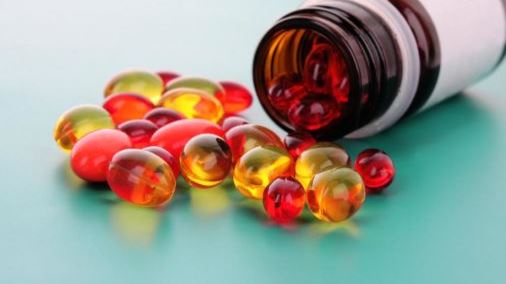
In today’s health-conscious world, the role of dietary supplements, particularly multivitamins, has gained significant attention. While there is ongoing debate about which specific vitamins and minerals offer the most benefit, medical and nutritional experts concur that maintaining a nutrient-rich diet with natural foods should always be the foundation of good health. Multivitamins are intended to supplement nutritional gaps, especially for individuals with specific needs, but they shouldn't replace a balanced diet. These supplements are widely available and come in various forms—tablets, capsules, powders, and liquids—containing a mixture of essential vitamins, minerals, herbs, fatty acids, and other natural extracts. Their primary purpose is to support overall health by bridging nutritional deficiencies that may arise due to dietary restrictions, lifestyle choices, or specific life stages. As awareness about health and wellness continues to grow, multivitamins have become a staple in households worldwide, accessible through grocery stores, pharmacies, health food outlets, gyms, online retailers, and specialty stores.
Multivitamins During Pregnancy: Supporting Mother and Baby
Pregnant women often turn to prenatal vitamins—a specialized form of multivitamins—to ensure they meet the increased nutritional demands of pregnancy. These supplements are designed to provide essential nutrients like folic acid, iron, calcium, vitamin D, and omega-3 fatty acids, which are crucial for the healthy development of the fetus. Folic acid, in particular, is vital for preventing neural tube defects, serious abnormalities of the brain and spinal cord that can have lifelong implications. The March of Dimes emphasizes that adequate nutrition before and during pregnancy is fundamental to healthy gestation and childbirth. Since the growing baby relies entirely on maternal resources for key nutrients, any deficiency in the mother's diet can compromise fetal development. While eating a balanced diet rich in fruits, vegetables, whole grains, lean proteins, and dairy is advisable, certain nutrients—like folic acid and iron—are challenging to obtain in sufficient quantities solely through food sources. Supplements help fill these gaps, supporting both maternal well-being and fetal growth. Prenatal vitamins are generally available over the counter, making accessibility easier, but consulting a healthcare provider is recommended to tailor supplementation to individual needs. The inclusion of omega-3 fatty acids supports neurological and visual development, calcium and vitamin D support bone health, and vitamins C, A, E, zinc, iodine, and copper contribute to immune function and overall health during pregnancy.
Impact of Birth Control on Nutritional Needs
Recent studies highlight that some contraceptive pills can affect nutrient absorption and utilization. For example, certain hormonal contraceptives may reduce levels of calcium, folic acid, magnesium, and certain B vitamins (B2, B6, B12), as well as vitamins C and zinc. These alterations can potentially influence bone density, energy levels, and immune health. When prescribed contraception, it’s important to discuss potential nutrient depletions with your healthcare provider. Taking a well-balanced multivitamin at a strategic time of day may help counteract these deficiencies, ensuring that your body maintains optimal nutrient levels. Monitoring nutritional status and making dietary adjustments can be beneficial, especially for women on long-term contraception, to support overall health, bone strength, and immune resilience.
Multivitamins and Physical Activity: Fueling Fitness and Recovery
Engaging in regular moderate to intense exercise exerts physical stress on the body, increasing the need for proper nutrients to sustain energy and facilitate recovery. Vitamins and minerals play critical roles in energy production, muscle repair, bone health, and cardiovascular function. For athletes and fitness enthusiasts, a high-quality multivitamin can serve as an essential supplement to meet increased demands. B vitamins (B1, B2, B6, B12, niacin), along with minerals like magnesium and CoQ10, are particularly significant for cardiovascular health, helping to maintain a steady heartbeat and support energy levels. Adequate intake of these nutrients can aid in muscle repair after workouts, reduce fatigue, and prevent injury. A deficiency in key micronutrients can impair performance and prolong recovery times. For non-professional exercisers, integrating a balanced multivitamin into your health regimen promotes endurance, strength, and overall vitality, especially when combined with a nutritious diet. For those involved in high-impact sports or regular high-intensity training, additional supplementation may be recommended under professional guidance to prevent micronutrient deficiencies that could hamper optimal performance and health.
Nutritional Considerations for Seniors: Age Gracefully and Healthfully
As individuals age, their nutritional requirements often change due to reduced absorption, altered metabolism, and increased vulnerability to nutritional deficiencies. For seniors, maintaining adequate levels of vitamins and minerals is vital for preserving mobility, cognitive function, immune defenses, and overall quality of life. Aging bodies may absorb nutrients like vitamin B12, vitamin D, calcium, and magnesium less efficiently, increasing the risk of osteoporosis, anemia, and neurological issues. Many seniors rely on convenience foods, which are often processed and lower in vital nutrients, exacerbating deficiencies. Prescription medications for conditions such as diabetes, hypertension, or gastrointestinal disorders can further interfere with nutrient absorption and utilization. For example, antacids containing aluminum or magnesium can diminish vitamin D levels, while certain drugs may deplete vitamin B12 and folic acid. Therefore, multivitamins formulated specifically for seniors often contain adjusted doses tailored to meet these altered needs, providing fortified support to promote health and independence. Regular health check-ups and nutritional assessments are recommended to personalize supplementation plans, ensuring each individual maintains optimal nutrient status during later years.
Strengthening the Immune System with Multivitamins
The immune system is our body's first line of defense against infections and illnesses. While no supplement can replace a healthy lifestyle, adequate vitamin intake supports immune competence. Vitamins C, D, and E are well-known antioxidants that bolster immune responses. Vitamin C stimulates the production and function of white blood cells, enhancing the body's ability to fight pathogens. Vitamin D modulates immune responses and has been associated with reduced risks of respiratory infections. E vitamin acts as an anti-inflammatory agent and supports skin integrity, serving as a barrier against pathogens. Some research suggests that regular intake of these vitamins may reduce the severity and duration of certain illnesses, including colds and flu. However, a balanced diet rich in fruits, vegetables, nuts, seeds, and lean proteins remains the most natural way to strengthen immunity. Multivitamps formulated with a combination of immune-boosting nutrients can complement dietary efforts, especially during seasonal changes, stress, or illness recovery.
vitamins for Healthy Hair, Skin, and Nails
A radiant appearance often starts from within, and certain vitamins are essential for maintaining healthy hair, glowing skin, and strong nails. Biotin (vitamin B7), niacin (vitamin B3), and vitamin C are particularly beneficial for hair growth and skin health. Biotin deficiency has been linked to brittle nails and hair thinning, so supplementing with biotin can promote stronger hair and nails. Vitamin A (in the form of retinoids) is a cornerstone for skin health, reducing wrinkles, fading age spots, and improving skin texture. Studies have shown that topical retinoids are effective in skin rejuvenation, and dietary sources or supplements of vitamin A support this process. Iron and vitamin D deficiencies are common causes of hair thinning, and addressing these deficiencies can restore hair density. Consuming a nutritious diet rich in antioxidants from fruits and vegetables supports skin elasticity and reduces signs of aging. For skin health, many beauty products incorporate retinoids derived from vitamin A, but dietary intake remains essential for systemic benefits.
Protecting Vision: Vitamins and Eye Health
In our digital age, eye strain from prolonged computer and smartphone use has become common. Maintaining good eye health involves proper nutrition, including vitamins and minerals that support visual acuity. Vitamins A, C, E, along with selenium, are key antioxidants that help protect eye tissues from oxidative damage caused by light exposure and environmental stressors. Lutein and zeaxanthin, carotenoid compounds found in leafy greens and colorful fruits, accumulate in the retina, helping filter harmful light waves and reducing the risk of macular degeneration. Zinc, concentrated in the eye’s retina and macula, supports processes like the conversion of vitamin A into visual pigments. Deficiencies in zinc can impair night vision and increase susceptibility to eye diseases. While supplementing with multivitamins containing these nutrients may provide protective benefits, eating nutrient-dense foods such as spinach, kale, egg yolks, and fish is highly recommended. Protecting your eyes from UV exposure with sunglasses and limiting prolonged screen time are additional measures to preserve vision health.
Do Vitamins Get Removed from the Body?
Understanding the differences between water-soluble and fat-soluble vitamins is critical. Water-soluble vitamins, including B vitamins and vitamin C, are absorbed into the bloodstream and excreted via urine if not used immediately, requiring regular replenishment. Fat-soluble vitamins (A, D, E, and K) are stored in fat tissues and the liver, allowing the body to draw upon these reserves when needed. Excessive intake of fat-soluble vitamins can lead to toxicity, so caution is advised with supplements. Regular intake of water-soluble vitamins through diet or supplementation generally prevents deficiencies, but excess amounts are eliminated naturally, reducing toxicity risk. Maintaining a balanced vitamin intake aligned with individual health needs ensures optimal function while avoiding potential adverse effects of over-supplementation.
Vitamins and Mental Well-being
Emerging research suggests that certain vitamins, especially B-complex vitamins like B12, B6, and folate, play a role in brain health and mood regulation. These nutrients are involved in producing neurotransmitters and reducing inflammation, which can influence mental health conditions such as depression, anxiety, and fatigue. Low levels of vitamin B12 have been specifically linked to cognitive decline and depressive symptoms. Incorporating multis in your diet, rich in B vitamins, can enhance energy, improve mood, and promote mental clarity. The book “Potatoes, Not Prozac” by Kathleen DesMaisons emphasizes the importance of nutrition in mental health, illustrating how dietary choices can impact emotional well-being. Improving nutritional intake through balanced meals and supplements can serve as a complementary approach to mental health management, benefiting those experiencing stress, mood disorders, or post-partum depression.
Risks of Excessive Vitamin Intake
While vitamins are essential for health, overdoing it can be hazardous. Megadosing on certain vitamins, particularly fat-soluble ones like vitamins A, D, E, and K, can result in toxicity, causing serious health problems such as liver damage, neurological issues, and calcium buildup. Water-soluble vitamins are safer in higher doses as excess amounts are expelled through urine, but even then, excessive intake can cause side effects. Always follow the guidance of healthcare professionals regarding supplement dosages, and avoid the illusion that taking more vitamins will accelerate health benefits. Responsible supplementation, combined with regular health check-ups, ensures you avoid adverse effects and maintain a balanced, health-promoting intake.