
Strategies for Securing the Best Deal on Your Dream Home
Learn effective strategies for negotiating and securing your dream home at the best price. From financial preparation to market understanding, this guide offers comprehensive tips to help buyers navigate competitive real estate markets successfully. Discover how to analyze property value, negotiate effectively, and make smart offers that align with your goals, ensuring you get the best deal on your ideal residence and set the stage for lasting homeownership success.
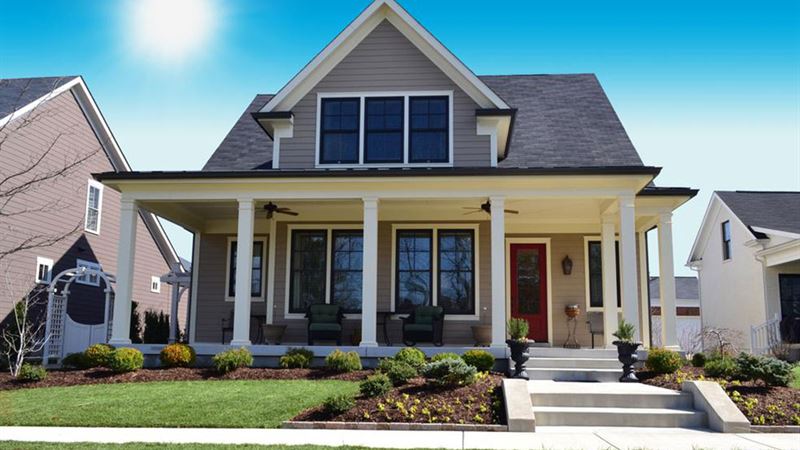
Purchasing your ideal home involves more than just finding a property that fits your desires; it requires strategic planning to ensure you get the best value for your investment. A well-prepared buyer can negotiate better terms, secure favorable financing, and avoid overpaying. This comprehensive guide explores effective techniques to optimize your home-buying process, highlighting key considerations such as financial preparation, understanding market dynamics, and negotiating tactics. Whether you're a first-time buyer or seasoned investor, mastering these strategies can significantly impact your success in acquiring your perfect home at an attractive price.
Financial preparedness is the foundation of a successful home purchase. Before you start house hunting, it's crucial to have your finances in order. Get pre-approved for a mortgage to understand your borrowing capacity and demonstrate seriousness to sellers. Calculate how different interest rates affect your monthly payments and total borrowing cost. Comparing multiple mortgage options helps identify the most economical choice. Remember, a slight difference in interest rates can equate to substantial savings over the loan term. Having your finances ready not only boosts your confidence but also positions you as a serious buyer capable of making prompt offers, which can give you an edge in competitive markets.
Understanding the property market is equally important. Conduct thorough research on current market conditions in your desired area. Consult with real estate agents or property experts who possess extensive knowledge of local trends and property values. An experienced agent can evaluate the true market value of a property, helping you avoid overbidding or underbidding. When inspecting a property, take note of its features, location, and demand factors. Prime neighborhoods or properties near prominent landmarks tend to attract more competition, resulting in higher prices. Being aware of these nuances enables you to craft more strategic offers aligned with market realities, increasing your chances of securing a deal at a fair price.
Pricing strategies play a pivotal role in successful negotiations. Recognize when a property is underpriced or perceived as a bargain—these are often less negotiable. Conversely, properties priced above the market value might offer room for bargaining. An expert's valuation can guide you in determining a reasonable offer. When making an initial bid, aim for a balance: offer competitively without overpaying. Remember, your first offer sets the tone; a well-calculated initial bid can discourage lowball offers from competing buyers and demonstrate your genuine interest.
In sought-after locations, demand can be fierce, especially around popular urban centers or iconic landmarks. Properties near places like Central Park in New York City tend to sell quickly and at premium prices. If your budget allows, and you are prepared for additional expenses such as property taxes and maintenance, investing in these prime locations can be a smart move. High-demand areas usually retain their value and offer greater appreciation potential. When considering such properties, ensure your offer accounts for ongoing costs and market appreciation. Making a strong initial bid, justified by market data and your financial readiness, can secure the property before it attracts competing offers.
Flexibility and willingness to compromise are crucial during negotiations. While it's important to make an attractive opening offer, there may be features or aspects of the property that don't meet your preferences, such as decor, layout, or minor repairs. These are often modifiable post-purchase and shouldn’t overshadow the property's overall value. Staying focused on your primary criteria and being open to adjustments can facilitate a smoother negotiation process. Remember, many homes can be tailored to fit your needs with some renovations or personalization, so prioritize features that are deal-breakers versus those that can be improved later. This pragmatic approach increases your chances of closing the deal at a favorable price.
In summary, securing the best deal on your dream home involves strategic financial planning, thorough market analysis, effective negotiation, and flexibility. Preparing your finances beforehand, consulting with real estate professionals, understanding market dynamics, and making well-informed offers are essential steps. Maintaining patience and a willingness to adapt will serve you well in competitive markets. By employing these comprehensive tactics, you'll be better positioned to acquire your ideal property at a price that aligns with your financial goals, setting the foundation for a successful homeownership journey.