
Comprehensive Low-Carb Meal Strategy with Homemade Recipes for Effective Weight Management
Discover an in-depth low-carb meal plan featuring homemade recipes, nutritional tips, and strategies for effective weight loss. This comprehensive guide covers food choices, meal ideas, quick recipes, and safety considerations, helping you stay healthy and satisfying your dietary goals with delicious low-carb dishes. Ideal for those seeking sustainable weight management solutions, enhanced energy, and improved metabolic health through a balanced, tasty, and easy-to-follow eating plan.
- Lean proteins such as chicken breast, turkey, lean cuts of beef, and pork loin
- Healthy fats from sources like olive oil, coconut oil, and canola oil
- Vegetables rich in nutrients, including leafy greens like romaine lettuce, spinach, and watercress, as well as cruciferous vegetables like broccoli and cauliflower
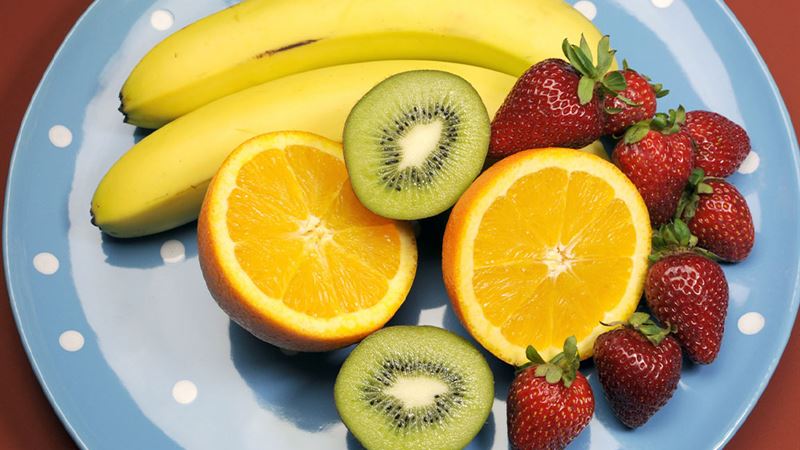
- Fruits in moderation, such as apples, blueberries, strawberries, and other berries that are lower in sugar
- Seafood options like salmon, cod, shellfish, and other aquatic creatures rich in omega-3 fatty acids
- Eggs, a versatile, nutrient-dense protein option
- Nut and seed products, including almond butter, chia seeds, and sunflower seeds
- Sugar-free dairy products like plain Greek yogurt, whole milk, and cheese, maintaining low carbohydrate content
Breakfast Options
- A serving of quick oats paired with half a cup of fresh fruit such as berries or apple slices, topped with a quarter-cup of nuts or seeds. Complement this with one or two eggs, cooked to preference, or a few sausage links. Accompany your breakfast with a cup of coffee, enriched with half-and-half or unsweetened almond milk, totaling approximately 35 grams of carbohydrates.
Lunch Ideas
- A turkey and cheese sandwich using low-carb bread or lettuce wraps, with arugula, mustard, and olive tapenade for rich flavor. Add a side of pepper strips and snow peas dressed simply with ranch or vinaigrette dressing. Refresh with sparkling water without added sugar, totaling about 32 grams of carbohydrates.
Snack Suggestions
- Opt for a caramel almond bar or Greek yogurt flavored with mango, each providing around 16 grams of carbs, ideal for managing hunger between main meals.
Dinner Recipes
- Prepare baked salmon fillet, approximately 4 ounces, served alongside two cups of roasted Mediterranean vegetables such as zucchini, eggplant, and peppers. Pair this with a small serving of red lentil rotini topped with grated Parmesan cheese. Finish with a glass of iced hibiscus tea, which contains about 28 grams of carbohydrates. This balanced meal offers omega-3 fatty acids, fiber, and healthy fats.
For those interested in maximizing fat loss, combining intermittent fasting with a low-carb diet may accelerate results. For example, adopting an 8-hour eating window from 11 a.m. to 7 p.m., but it is essential to consult healthcare professionals before making significant adjustments to your diet.
Additionally, an alternative low-carb meal plan can include a Cuban-inspired pork power bowl at 11 a.m., with about 46 grams of carbohydrates. For a snack, enjoy half a cup of tuna salad with Finn flatbreads, totaling approximately 11 grams of carbs. Dinner can feature chicken and cheese enchiladas with tomatillo sauce, half a cup of pinto beans, cauliflower rice, and sautéed peppers and onions, providing around 50 grams of carbs. These varied meal options help diversify your diet while adhering to low-carb principles.
Easy and Quick Low-Carb Recipes- Zucchini Spaghetti—this is a healthy, low-carb alternative to traditional pasta. Made with spiralized zucchini and a no-sugar-added marinara sauce, it’s both delicious and suitable for low-carb diets. The preparation involves cooking lean ground beef, salting the zucchini to remove excess moisture, combining everything in a pan, and finishing with grated Parmesan cheese for flavor. This dish offers a satisfying way to enjoy pasta without spiking carbohydrate intake.
- Chicken Nuggets (Low-Carb Version)—crafted using almond flour and Parmesan cheese, this recipe offers a high-protein, low-carb take on a favorite snack. Coat pieces of boneless chicken breast in beaten egg, then dip into a mixture of almond flour, Parmesan, salt, and pepper. Bake or air-fry until crispy without added oils or breading containing high carbs. These chicken nuggets are perfect for snack time or a quick meal, with fewer carbs but rich in flavor.
Potential Risks and Considerations
While low-carb diets can be effective, especially for weight loss and metabolic health, they may also bring about some initial adverse effects. During the first few days or weeks, individuals might experience symptoms such as constipation, fatigue, increased hunger, muscle cramps, and headaches. Such symptoms often occur due to drastic dietary changes and electrolyte imbalances. Long-term adherence without proper nutritional planning might lead to deficiencies in vital vitamins and minerals, increasing the risk of health issues like kidney problems, osteoporosis, and elevated cholesterol levels.
To minimize potential risks, it is crucial to monitor fat and protein quality, avoiding excess saturated and trans fats found in processed meats and fast foods, which can lead to cardiovascular issues. Consulting with healthcare providers or registered dietitians before starting a low-carb regimen ensures personalized guidance, making the transition safer and more sustainable. Regular blood work and nutritional assessments are recommended to prevent deficiencies and support overall health.