
Comprehensive Guide to Headphone Usage and Its Impact on Health
Explore the comprehensive impact of headphone usage on health, including ear infections, hearing loss, neurological risks, and safety during travel. Learn essential tips for safe listening practices to protect your well-being while enjoying your favorite audio content.
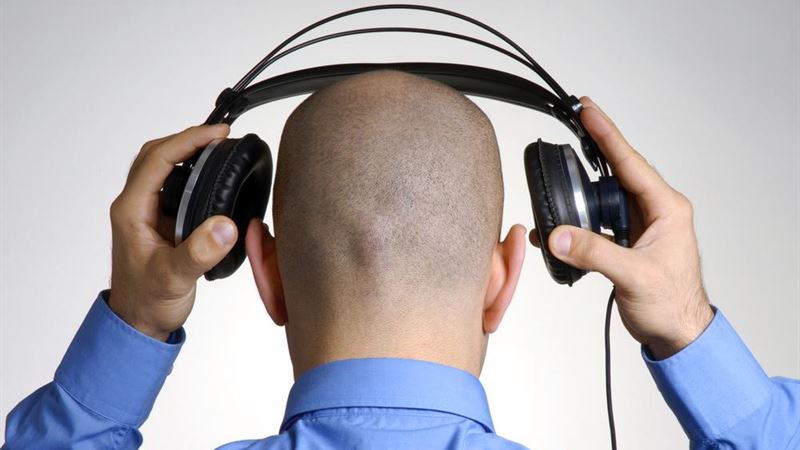
Headphones have become an integral part of our daily lives, offering convenience and an immersive audio experience. However, improper or excessive use can pose significant health risks. From potential ear infections to cognitive effects and safety hazards during travel, understanding the implications of headphone usage is essential for maintaining overall well-being.
1. Transmission of Bacteria and Hygiene Concerns:
Microorganisms can easily transfer between ears through shared or unclean headphones, increasing the risk of infections. Regularly disinfecting your headphones and avoiding sharing them with others are vital steps in preventing bacterial buildup and ear infections.2. Restricted Airflow and Ear Health:
Modern headphones, especially those with tight-fitting designs, limit airflow into the ear canal. This can lead to an accumulation of earwax, which, if left unmanaged, may cause discomfort, tinnitus, or even hearing loss over time. Ensuring your headphones fit properly and taking breaks can help mitigate these risks.3. Ear Numbing and Fatigue:
Prolonged listening sessions can cause temporary numbness or tingling sensations in the ears. Continuous exposure can diminish hearing sensitivity, making sounds less discernible, although the sensation typically recovers with rest. Nonetheless, habitual overuse may contribute to long-term auditory issues.4. Ear Pain and Discomfort:
Many users report experiencing earaches, fullness, or a ringing sensation after extended headphone use. Properly adjusting headphone fit, avoiding listening at excessive volumes, and giving ears periodic breaks can reduce discomfort and protect ear health.5. Impact on Brain Health:
Headphones emit electromagnetic waves and sound vibrations that can potentially influence brain function. Some studies suggest that long-term exposure to electromagnetic fields from headphones may contribute to neurological issues. Since the inner ear is directly connected to brain structures, infections or injuries in the ear could have broader neurological repercussions, emphasizing the importance of cautious usage.6. Safety Risks During Travel:
Using headphones while commuting, especially on busy roads or railway stations, impairs hearing. This diminished awareness prevents individuals from noticing honking vehicles, alarms, or other warning signals, increasing the risk of accidents. Numerous incidents, including car and train accidents, have been linked to headphone distraction. Always remain alert and remove headphones when navigating through traffic or crowded areas to ensure personal safety.7. Additional Health Considerations:
Frequent headphone use can also lead to stress and anxiety due to the inability to hear surrounding sounds thoroughly. Excessive volume levels cause further damage to sensitive cochlear hair cells in the inner ear, potentially leading to irreversible hearing loss. Awareness about safe listening volumes and durations is crucial in preventing such outcomes.8. Recommendations for Safe Headphone Use:
To enjoy your favorite tunes safely, follow the 60/60 rule: listen at no more than 60% volume for a maximum of 60 minutes at a time. Use noise-canceling headphones to avoid increasing volume to overpower ambient noise. Maintain good hygiene by cleaning headphones regularly and avoid sharing devices. Take regular breaks to give your ears rest. Be mindful of your environment and stay alert during travel or when operating vehicles. If you experience symptoms like pain, ringing, or dizziness, seek medical attention promptly.Headphones are undoubtedly a wonderful addition to modern entertainment, but responsible usage is vital for safeguarding ear health, preventing accidents, and maintaining overall physical and neurological well-being. Incorporate these safety tips into your routine to enjoy high-quality audio experiences without compromising your health.