
Essential Guidelines to Consider Before Purchasing Your Next Vehicle
Discover comprehensive tips for buying your next vehicle, including financial planning, research strategies, negotiation tips, test drive importance, and building trust with dealerships. Make informed decisions that ensure a smooth and satisfying car ownership experience, tailored to your needs and budget for years ahead.
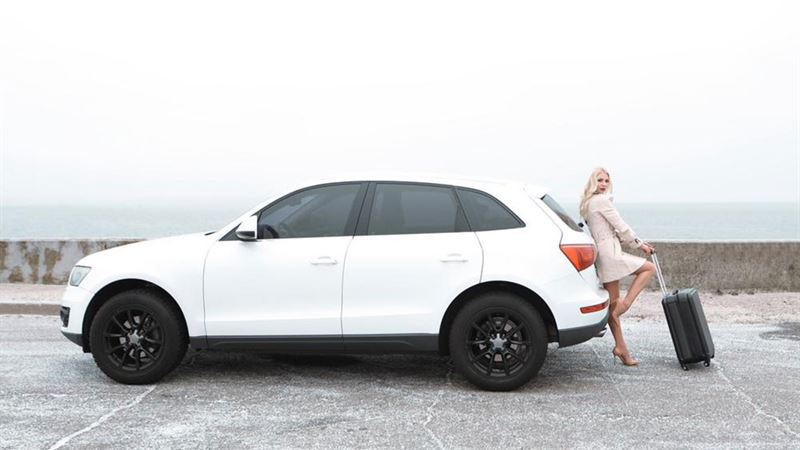
Making a thoughtful decision when investing in a new car requires careful financial planning and research. A widely accepted rule of thumb suggests that your monthly automotive expenses should not exceed 20% of your total budget. This includes not only fuel costs but also ongoing maintenance, insurance, and other miscellaneous expenses. When choosing a vehicle, it’s crucial to account for its recurring costs, especially maintenance, which can significantly impact your overall budget.
Whether buying directly from the manufacturer or through a dealership, understanding the difference between the manufacturer’s suggested retail price (MSRP) and the actual price offered by the dealer is vital. The MSRP serves as a baseline, but negotiations often lead to more favorable deals, so knowing the true market value helps you get the best possible price.
Effective financial planning sometimes involves arranging for financing ahead of time. Whether you plan to pay with savings or secure a loan, pre-arranged financing can make the buying process smoother and prevent last-minute surprises. It’s also advisable to get pre-approved so that you know your budget limits before stepping into the dealership.
Extensive research is one of the most critical steps before purchasing a vehicle. Use manufacturer websites, trusted automotive review sites, and user reviews to gather comprehensive information about various models. These resources can give you insights into reliability, performance, and user satisfaction levels. Additionally, directly contacting dealerships ahead of your visit can ensure they have the specific model, color, and features you desire, saving you time and effort.
When dealing with car salespeople, remember their primary goal is to maximize their commission. Do not let pressure tactics rush your decision; instead, take your time to consider all options thoroughly. A confident and informed buyer is less susceptible to sales pressure, ensuring you make a choice that truly meets your needs.
Evaluate the after-sales service quality when selecting a dealership. Post-purchase support, including servicing, repairs, and warranty claims, plays a significant role in your overall ownership experience. Choose a dealership known for reliability and customer-centric service to avoid future frustrations and expenses.
Test drives are indispensable. They grant you firsthand experience of how the car handles, accelerates, brakes, and feels during everyday driving conditions. Don’t hesitate to request multiple test drives, especially if you’re undecided between several models. The right vehicle should feel comfortable, controllable, and aligned with your driving preferences.
Consider your long-term plans for the vehicle. Think about how long you intend to keep it and what features matter most to you, such as safety systems, technology, comfort, and fuel efficiency. Your driving habits and annual mileage should influence your prioritization of these features.
Fuel economy is another essential factor, particularly if you have a high daily mileage or if fuel prices are a concern in your region. Choosing a car with optimal fuel efficiency can save significant money over the car’s lifespan. It’s a good idea to analyze your current driving patterns to determine which car will be most economical for your needs.
Finally, the relationship you establish with your dealership can greatly influence your overall purchasing and ownership experience. In most cities, multiple dealerships may sell similar cars, but the level of trust, communication, and customer service will differ. Building a good rapport with a trustworthy dealer can lead to better deals, prompt assistance, and a more satisfying ownership journey.
In conclusion, buying a car involves more than just selecting a model and signing papers. It requires thoughtful consideration of financial, practical, and emotional factors. Doing thorough research, exploring financing options, testing various models, and choosing a dealership that aligns with your values and expectations will ensure that you drive away with a vehicle that suits your lifestyle and budget for years to come.