
Maximize Your Earnings by Picking the Right Auto Parts from Junkyards
Discover which auto parts from junkyards can be profitable and how to effectively identify and resell them. Learn tips for maximizing earnings from salvage yards, including refurbishing techniques and market demand insights. Unlock the potential of used car components such as fenders, rims, and GPS units to boost your income and make profitable transactions more consistently.
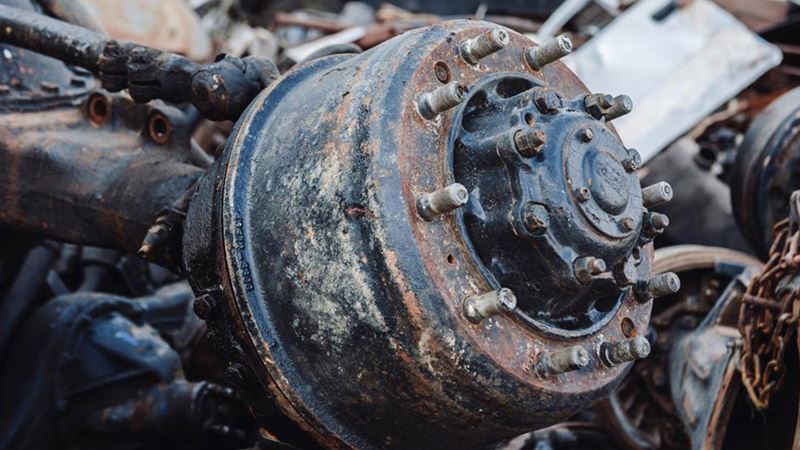
- Understanding which used auto parts can be profitable is key for anyone interested in car recycling or reselling components. Salvage yards often contain valuable parts that can be refurbished or resold for profit, making it worthwhile to know which items to look for. Whether you're a DIY enthusiast, a car tuner, or a professional auto parts dealer, identifying lucrative auto parts can significantly increase your income from junkyard finds.
Engine Oil and Lubricants: Engine oil is one of the simplest but often overlooked parts that can be recycled in auto salvage yards. While this oil appears dirty and used, high-quality motor oil can often be filtered, cleaned, and tested for reusability. It's not exactly a high-gain item, but selling recycled engine oil can still add to your profits. Proper disposal and recycling of used oil are environmentally friendly and compliant with regulations. Some auto recyclers even extract and process used oils for resale, making it a good starting point for novice salvage operations.
Car Navigation Systems (GPS): Though GPS units have become less valuable due to smartphone reliance, they can still fetch a decent price if sold separately. Many buyers, including hobbyists and small repair shops, look for functioning GPS devices to refurbish or repair. When extracting GPS units, test their functionality before resale, as operational status significantly impacts the price. Selling the device independently often yields more profit than including it as part of the vehicle — especially if the unit is in good condition or compatible with popular vehicle models.
Fenders and Body Panels: Car fenders, doors, and other body panels are in steady demand for repair and customization projects. Restoring these parts by cleaning, buffing, or minor reshaping can make them look brand new, especially if sourced from original manufacturers. Salvage yards often have these parts available at a fraction of retail prices. Classic car enthusiasts and body shops prefer original or OEM-fitted fenders, which enhances their appeal and resale value. Sourcing rust-free, undamaged fenders from junkyards can potentially yield significant earnings, especially from vintage or limited-edition models.
Wheels, Rims, and Tires: Rims and tires are lucrative salvage items, particularly if they are in good condition or can be refurbished. Original equipment manufacturer (OEM) rims tend to be more valuable than aftermarket versions. Proper cleaning, polishing, and minor repairs can turn used rims into desirable items for buyers seeking affordable customization options. Remember that matching sets of tires and rims fetch higher prices, especially for specialty vehicle models or luxury cars. When selling, ensure the tires areusable or can be retreaded, and the rims are free of cosmetic or structural damage.
Other notable auto parts worth considering include tailgates from pickup trucks, airbags, batteries, bumpers, and vehicle doors. These parts can often be sold individually for decent amounts, sometimes reaching hundreds of dollars each depending on condition and demand. Special attention should be paid to parts that are expensive to replace or repair, as they can significantly boost your income from junkyard sourcing. Learning how to identify genuine OEM parts and testing their functionality before resale is essential for maximizing profit and building reputable relationships with buyers.