
Comprehensive Guide to Commercial Property Insurance: Protecting Your Business Assets
This comprehensive guide explores commercial property insurance, covering essential aspects such as property types, coverage options, exclusions, and additional protection strategies. Learn how to tailor your policy to safeguard your business assets effectively and ensure long-term stability. Understand the benefits of replacement cost versus cash value coverage, and discover the importance of supplementary policies for high-value or specialized equipment.
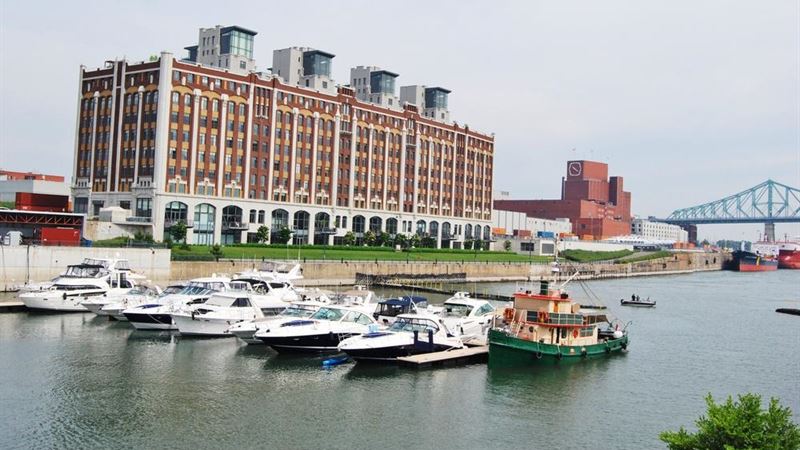
Having the right insurance coverage for your commercial property is crucial for safeguarding your business investments. Many business owners overlook the nuances of commercial building insurance, thinking it provides all-encompassing protection. However, understanding the scope of standard policies, exclusions, and additional coverages can make a significant difference during unforeseen events. Whether you own a retail store, office complex, manufacturing plant, or warehouse, ensuring your property and assets are adequately insured is vital for long-term stability and peace of mind.
Commercial property insurance is designed to protect physical assets associated with your business against common risks such as fire, theft, vandalism, and natural disasters. Although it might seem straightforward, the specifics of what is covered and what is excluded can be complex. It's essential to grasp these details to avoid surprises during claim settlement. No matter the size of your business or the type of property, a thorough understanding of policy coverage, exclusions, and optional add-ons enables you to tailor your insurance coverage to your needs.
Understanding the scope of coverage begins with recognizing the types of properties included under commercial building insurance. Generally, any property owned or used by your business can be insured, including both residentially used spaces if they are part of your business operations. This includes office buildings, retail outlets, industrial facilities, warehouses, and even certain specialized equipment. The key is that the property must be classified as a business asset to qualify for coverage.
Standard commercial building insurance usually covers the building structure itself, along with essential fixtures, fittings, and equipment. This can include internal and external fixtures, signage, machinery, furniture, and inventory stored within the premises. However, high-value or specialized equipment—such as costly machinery, computers, or industrial tools—may require separate coverage or endorsements to ensure they are adequately protected against risks.
When choosing a commercial property insurance policy, you typically have two main valuation options: 'replacement cost' and 'cash value.' Replacement cost coverage pays to rebuild or replace the damaged or destroyed property with similar new items, regardless of depreciation. Meanwhile, cash value coverage accounts for depreciation, paying out based on the current value of the property after wear and tear. For business owners, opting for replacement cost coverage often provides better financial protection, especially for significant property investments.
Standard commercial building insurance usually covers the building structure itself, along with essential fixtures, fittings, and equipment. This can include internal and external fixtures, signage, machinery, furniture, and inventory stored within the premises. However, high-value or specialized equipment—such as costly machinery, computers, or industrial tools—may require separate coverage or endorsements to ensure they are adequately protected against risks.
When choosing a commercial property insurance policy, you typically have two main valuation options: 'replacement cost' and 'cash value.' Replacement cost coverage pays to rebuild or replace the damaged or destroyed property with similar new items, regardless of depreciation. Meanwhile, cash value coverage accounts for depreciation, paying out based on the current value of the property after wear and tear. For business owners, opting for replacement cost coverage often provides better financial protection, especially for significant property investments.
In addition to property coverage, business owners should consider other liability and risk management strategies. Standard commercial building insurance policies usually exclude damages caused by certain perils like negligence, intentional arson, or acts of war. Furthermore, perils such as fire, storms, and vandalism are typically included but may require specific endorsements depending on local risks and the nature of the property.
To address potential gaps, many businesses purchase additional coverages such as flood insurance, earthquake insurance, or protection against cyber incidents if relevant. Multiple policies or comprehensive commercial packages can provide more inclusive protection, especially for businesses with high-value assets or those operating in high-risk zones.
In conclusion, selecting the right commercial property insurance entails understanding your specific risks, the types of assets you wish to protect, and the exclusions contained in standard policies. By investing time in analyzing your coverage options and considering supplementary policies, you can create a robust protection plan that secures your business assets effectively. Proper insurance planning not only mitigates financial loss during unfortunate events but also fosters confidence in your business's resilience and longevity.
To address potential gaps, many businesses purchase additional coverages such as flood insurance, earthquake insurance, or protection against cyber incidents if relevant. Multiple policies or comprehensive commercial packages can provide more inclusive protection, especially for businesses with high-value assets or those operating in high-risk zones.
In conclusion, selecting the right commercial property insurance entails understanding your specific risks, the types of assets you wish to protect, and the exclusions contained in standard policies. By investing time in analyzing your coverage options and considering supplementary policies, you can create a robust protection plan that secures your business assets effectively. Proper insurance planning not only mitigates financial loss during unfortunate events but also fosters confidence in your business's resilience and longevity.