
Understanding Normal Body Temperatures Across Different Age Groups
Learn about normal body temperature ranges across all ages, how they vary, and the importance of accurate measurement. This comprehensive guide helps you understand when a fever is a concern and how to monitor temperature effectively for optimal health management.
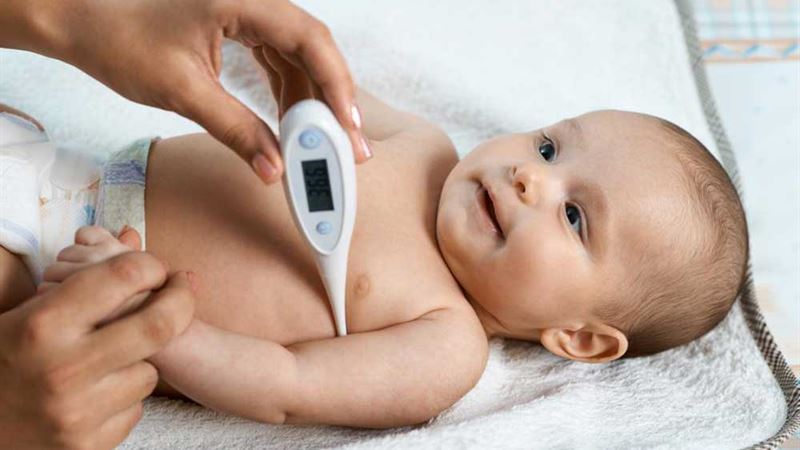
Monitoring body temperature is essential for assessing health, detecting fevers early, and understanding bodily changes over time. Normal body temperature varies depending on age, time of day, activity level, and measurement method. Recognizing the standard temperature ranges for infants, children, adults, and seniors helps in identifying when medical attention might be necessary. This detailed guide provides comprehensive insights into normal temperature benchmarks, how they change with age, and practical tips for accurate measurement.
Understanding body temperature is more than just checking for fever; it provides valuable clues about your overall health status. By paying close attention to temperature variations and knowing the typical ranges for different demographics, you can make informed decisions regarding health monitoring and when to seek medical advice. This extensive overview aims to equip you with essential knowledge about normal body temperature ranges, factors affecting readings, and practical guidelines for temperature measurement.
- Infants and young children: Normal body temperature for infants and children generally falls between 97.9°F and 99°F. A temperature exceeding this range may suggest an underlying health issue or fever, warranting further observation or consultation with a healthcare professional. Pediatric body temperature can fluctuate depending on activity, time of day, and measurement method, making it crucial to use consistent and accurate techniques for monitoring.
- Adults: In the adult population, the typical body temperature ranges from approximately 97°F to 99°F. A reading above 99°F generally indicates a fever, especially if accompanied by other symptoms such as chills, sweating, or fatigue. It is important to consider factors like physical activity, meal consumption, and time of day, as these can influence temperature readings.
In addition to standard age-related variations, older adults (above 65 years) tend to have lower average body temperatures, often around or slightly below 98.6°F. For seniors, a temperature above 98.6°F may represent a fever, despite being lower than typical adult ranges. This decrease in baseline temperature with age can sometimes mask symptoms of illness, making it important for caregivers and individuals to pay attention to subtle signs of health changes.
Monitoring body temperature accurately is key to early detection of health issues. Different measurement sites—such as the mouth, ear, rectum, or armpit—produce varying readings. For example, temperature readings from the armpit can be approximately 1°F lower than oral measurements, and rectal or ear measurements tend to be slightly higher than oral readings. Factors like recent physical activity, diet, environment, and even the time of day can influence temperature results, so consistency is vital.
Having a reliable thermometer at home is highly recommended, especially if you experience symptoms like chills, fatigue, or discomfort lasting more than a day. Regular monitoring helps in identifying abnormal temperature patterns early, facilitating prompt medical intervention. If your temperature is significantly high or persists over time, consult a healthcare professional immediately, as this may signal an underlying infection or other health concerns that require urgent attention.
Understanding the variations and normal ranges of body temperature is a valuable part of health monitoring across all age groups. Being aware of what constitutes a normal or abnormal temperature helps in better assessment and timely response to health changes. Remember that temperature is just one indicator of health—it should be considered alongside other symptoms and medical evaluation for accurate diagnosis and treatment.