
Comprehensive Guide to Effective Strategies for Managing Gout Pain
Discover comprehensive strategies for managing gout pain through dietary modifications, natural remedies, and medical treatments. Learn how cold therapy, cherry juice, celery seed extract, omega-3 supplements, and proper hydration can help reduce inflammation and uric acid levels. This detailed guide emphasizes the importance of early intervention, lifestyle changes, and consulting healthcare providers to effectively control gout episodes and improve joint health, ensuring longer-lasting relief and better quality of life.
Understanding the Link Between Diet and Gout
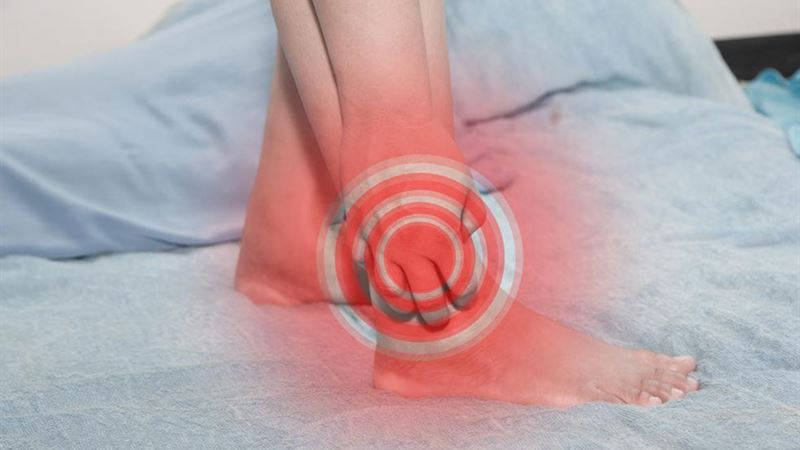
Gout is a form of inflammatory arthritis characterized by sudden and severe pain, swelling, and redness in the joints. A key factor influencing gout development is dietary habits. Consuming foods high in purines—substances that break down into uric acid—can significantly increase the risk of gout. Excess weight, excessive alcohol consumption, and a diet rich in red meats and certain fish elevate this risk further. Additionally, some medications, such as diuretics (water pills), can contribute to increased uric acid levels. Therefore, modifying your diet to reduce purine intake and support overall health is essential in preventing gout episodes. Incorporating high-fiber foods such as vegetables, legumes, and whole grains into your daily meals can help lower uric acid levels. Dairy products with low fat content are also beneficial due to their uric acid-lowering properties. Maintaining a healthy weight through balanced nutrition plays a vital role in reducing gout risk, making dietary management a fundamental aspect of gout prevention.
Strategies for Alleviating Gout Pain Effectively
If you are experiencing gout symptoms, there are numerous natural and medical treatment options available to provide relief. Early intervention can minimize pain and prevent complications. Here, we explore both popular home therapies and medical interventions that can help manage gout effectively.
Application of Cold Therapy (Ice Packs)
One of the most straightforward and widely used remedies for gout pain is applying cold packs to the affected joint. Cold therapy constricts blood vessels, reducing inflammation and numbness, which alleviates pain. To use this method, wrap an ice pack or a bag of frozen vegetables in a clean cloth and apply it to the painful area for 15-20 minutes at a time. Repeat as necessary, ensuring not to apply ice directly to the skin to prevent frostbite. Regular use of cold therapy can significantly diminish swelling and discomfort during gout flares.
Utilizing Celery Seed Extract
Celery seed extract is a natural remedy gaining recognition for its anti-inflammatory and uric acid-lowering properties. It contains potent antioxidants, including phenolic acids like caffeic acid and ferulic acid, which help combat oxidative stress and inflammation. Studies suggest that celery seed extract can be beneficial in treating gout, arthritis, and other inflammatory conditions. To incorporate it into your routine, you can consume freshly prepared celery juice using a vegetable juicer or supplement with standardized extract capsules. Regular intake may assist in reducing uric acid levels and managing gout symptoms effectively.
Cherries and Cherry Juice for Gout Relief
Numerous studies have highlighted the benefits of black cherry juice in managing gout. A notable research article published in Arthritis and Rheumatism involved over 600 participants with gout, where cherry concentrate was administered over two days. Results indicated a 35% reduction in gout attacks following cherry consumption. When combined with prescribed medications for gout and kidney stones, cherry intake lowered the risk by 75%. Cherry contains anthocyanins, which possess anti-inflammatory properties that help decrease uric acid levels and mitigate flare-ups. Including cherries or cherry juice in your diet may provide rapid relief from gout pain and prevent future episodes.
Following Medical Prescriptions and Pharmacological Treatment
If you have experienced a recent gout attack, consulting a healthcare professional for appropriate medication is crucial. Doctors often prescribe anti-inflammatory drugs such as colchicine, corticosteroids (oral or injectable), or pain relievers like opioids (codeine, hydrocodone, oxycodone) to manage severe pain. Colchicine is particularly effective if taken within the first 24 hours of an attack, as it reduces inflammation and pain. In some cases, patients may also receive corticosteroid injections directly into the affected joint. Adhering strictly to medical advice ensures faster recovery and minimizes the risk of recurrent gout episodes.
Omega-3 Fatty Acids and Fish Oil Supplements
Fish oil supplements are rich sources of omega-3 fatty acids, which are renowned for their anti-inflammatory effects. Regular consumption of omega-3s can reduce joint inflammation associated with gout by decreasing inflammatory cytokines in the body. Fish oil is beneficial not only for general cardiovascular health but also as an adjunct therapy for gout management. Including fatty fish such as salmon, mackerel, and sardines in your diet or taking high-quality fish oil capsules can help lower the frequency and severity of gout attacks.
Dietary Modifications for Long-term Prevention
Adopting a comprehensive dietary strategy is vital for managing and preventing gout. Key dietary changes include reducing intake of high-purine foods and increasing consumption of low-purine, nutrient-dense options. Specific adjustments include:
- High-Fiber Foods: Fruits, vegetables, whole grains, nuts, and seeds aid in lowering uric acid levels by promoting healthy digestion and decreasing inflammation.
- Potassium-Rich Foods: Bananas, sweet potatoes, and spinach help maintain fluid balance and reduce uric acid crystallization.
- Antioxidant-Rich Fruits: Berries, especially cherries, blueberries, and strawberries, contain antioxidants that combat oxidative stress, a contributor to gout flare-ups.
- Omega-3 Fatty Acids: Regular intake from fish or supplements helps manage joint inflammation.
- Hydration: Drinking at least 8 glasses (approximately 2 liters) of water daily helps flush out excess uric acid from the body, preventing its accumulation in joints.
Combining these dietary principles with lifestyle modifications like regular exercise and weight management can significantly reduce the frequency and intensity of gout episodes.
Managing gout effectively involves a holistic approach that includes proper diet, timely medical treatment, and natural remedies. Lifestyle adjustments and dietary changes can work hand in hand with medical interventions, ensuring improved quality of life and reduced symptom severity. Always consult with healthcare professionals before implementing new treatments or making significant dietary changes to ensure they align with your individual health needs.