
Comprehensive Overview of the Top 5 Skin Rashes and Their Causes
This in-depth article explores the five most common skin rashes, their causes, symptoms, and treatments. It offers valuable insights into allergic reactions, autoimmune conditions like psoriasis, contagious infections like ringworm, Lyme disease skin signs, and emergency conditions such as toxic shock syndrome. By understanding these skin issues, readers can identify early warning signs and seek timely medical care to maintain healthy skin and prevent complications. Suitable for everyone seeking comprehensive skin health information, this guide ensures better awareness and proactive management of skin rashes.
Understanding Skin Rashes: An In-Depth Look at the Most Common Types
Skin rashes are a widespread concern affecting individuals of all ages and backgrounds. They can arise from various causes, including allergic reactions, infections, autoimmune conditions, and other health problems. Recognizing the different types of skin rashes and understanding their underlying causes are crucial steps toward effective treatment and management. In this comprehensive guide, we will explore the five most prevalent skin rashes, their symptoms, causes, and when to seek medical attention. This knowledge empowers you to take proactive steps towards skin health and early diagnosis.
1. Allergic Contact Dermatitis: The Body’s Reaction to Irritants
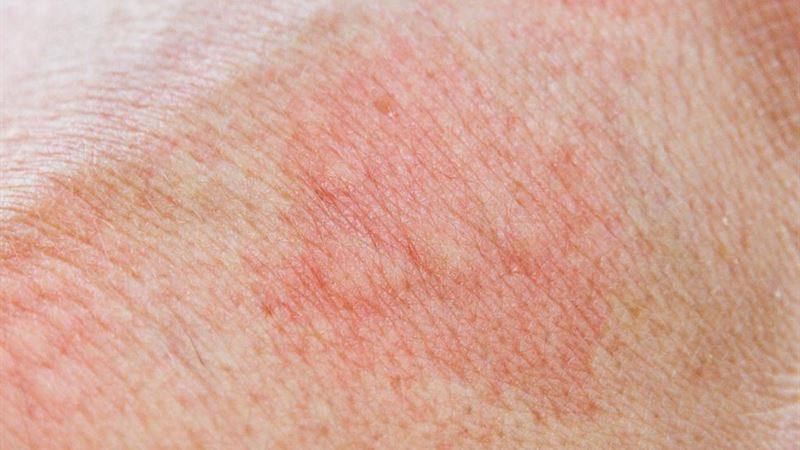
Allergic contact dermatitis is an immune system response triggered when your skin comes into contact with certain allergens. This condition is common and can result from exposure to various substances like poison ivy, certain soaps, latex, or metals such as nickel. Nickel, in particular, is frequently found in jewelry and accessories, making it a common allergen. When your skin encounters an allergen, it reacts by developing redness, swelling, itching, and sometimes blistering at the contact site. Recognizing the source of the allergen is critical to prevent future outbreaks.
To minimize allergic reactions, avoid known irritants and allergens. Wearing protective clothing or gloves when handling harsh substances and choosing hypoallergenic products can help. If you suspect contact dermatitis, consult a healthcare provider who may recommend topical creams, antihistamines, or other treatments to alleviate symptoms. Avoid scratching the affected area, as this can lead to secondary infections and prolong healing.
2. Psoriasis: An Autoimmune Skin Disorder
Psoriasis is a chronic autoimmune condition where the body’s immune system mistakenly attacks healthy skin cells, leading to excessive production. This rapid cell turnover results in thickened, inflamed patches of skin covered with silvery scales. Psoriasis can manifest in various forms, each with distinct characteristics:
- Pustular psoriasis: Presents with white or yellow pustules on red, inflamed skin, especially on hands and feet. It’s rare but severe, often causing discomfort and requiring specialized treatment.
- Guttate psoriasis: Characterized by small, drop-shaped lesions commonly triggered by infections like tonsillitis or certain medications. It often appears suddenly and primarily affects the torso, arms, and legs.
- Inverse psoriasis: Occurs in skin folds such as the armpits, groin, beneath the breasts, or around the genitals. The rash is smooth, shiny, and bright red, often aggravated by sweating and friction.
- Erythrodermic psoriasis: A severe, inflammatory form affecting most of the skin, causing redness, scaling, itching, pain, and systemic symptoms like fever. It often results from abrupt withdrawal of medication or skin trauma.
While psoriasis is manageable with medication, it can have significant impacts on quality of life. Early diagnosis and a tailored treatment plan, including topical therapies, phototherapy, and systemic medications, can improve outcomes. Lifestyle modifications, such as moisturizing regularly and avoiding triggers, are crucial for controlling flare-ups.
3. Ringworm: The Contagious Fungal Infection
Despite its name, ringworm is not caused by worms but is a common fungal skin infection caused by dermatophytes. It appears as a ring-shaped rash with raised, scaly, and often itchy edges. The center of the lesion typically remains clear, giving it the characteristic ring-like appearance. The infection can affect various parts of the body, including the scalp, body, feet (athlete’s foot), and groin (jock itch).
Ringworm spreads easily through direct physical contact with an infected person or animal. Indirect transmission can occur via contact with contaminated clothing, towels, bedding, or surfaces. Children are especially vulnerable, but anyone exposed to damp environments, tight clothing, or excessive sweating is at risk.
Prevention involves maintaining good hygiene, wearing loose-fitting and breathable clothing, and avoiding sharing personal items. Over-the-counter antifungal creams, powders, or shampoos are typically effective when applied promptly. Severe or persistent infections may require prescription antifungal medication. Proper hygiene and prompt treatment can prevent spread and facilitate quick recovery.
4. Lyme Disease-Related Skin Manifestations
Lyme disease, transmitted through the bite of infected ticks, is a serious illness with diverse symptoms, including distinctive skin rashes. The disease is prevalent in areas with dense forestation and wildlife, where ticks are common hosts for deer and mice carrying the infection. Most cases of Lyme disease go unnoticed initially because the early symptoms are subtle, but the hallmark skin manifestation can serve as an early warning sign.
The first stage of Lyme disease typically includes a characteristic rash known as erythema migrans. This rash appears as a red, swollen area around the bite site, expanding over days into a ring-shaped lesion that can reach several inches in diameter. It may resemble a bull's-eye pattern, is usually painless, and does not cause itching or burning. The rash tends to resolve within four weeks but indicates an active infection that requires treatment.
Early recognition of this rash and prompt medical consultation are vital. Antibiotic treatment at this stage is highly effective and can prevent severe complications, including arthritis, neurological issues, and cardiac problems. People living in or visiting wooded regions should take precautions against tick bites by wearing protective clothing and performing thorough skin checks after outdoor activities.
5. Toxic Shock Syndrome: A Medical Emergency
Toxic Shock Syndrome (TSS) is a rare but potentially fatal condition caused by bacterial toxins entering the bloodstream. It most commonly results from infection with Staphylococcus aureus bacteria, which produce toxins that cause widespread inflammation and organ failure.
Infections leading to TSS can stem from open wounds, surgical incisions, or the use of super-absorbent tampons. The condition often develops rapidly, with initial symptoms including high fever, low blood pressure, rash resembling sunburn, nausea, vomiting, and muscle aches. The rash may appear as red, flat, or raised patches and can spread quickly over the torso, limbs, and mucous membranes.
If you experience symptoms such as sudden high fever, dizziness, vomiting, rash, or confusion, seek emergency medical attention immediately. TSS requires immediate hospitalization and treatment with intravenous antibiotics, supportive care, and other interventions. Early diagnosis and treatment greatly improve the prognosis and prevent life-threatening complications.
Conclusion: Recognizing and Managing Skin Rashes Effectively
Skin rashes manifest in many forms and can stem from infections, autoimmune responses, allergies, or exposure to environmental factors. While some rashes resolve on their own, others require prompt medical intervention to prevent complications. It is essential to observe the appearance, location, duration, and associated symptoms of any rash and to communicate this information clearly to your healthcare provider.
Never attempt to self-diagnose or treat a rash without professional advice, especially if it worsens, persists, or is accompanied by systemic symptoms like fever, pain, or swelling. Regular skincare, personal hygiene, and awareness of potential triggers can help reduce the risk of developing skin rashes. Early detection and appropriate treatment are critical in managing these conditions effectively and maintaining healthy skin.