
The Debate: Is Cue Sports Just a Casual Game or a Recognized Competitive Sport?
Cue sports such as billiards and snooker have historically been seen as casual recreational games, but modern developments in professionalism, international competitions, and player discipline highlight their status as serious sports. Despite lacking Olympic inclusion, cue sports demand high skill, strategic thinking, and mental endurance, making them a legitimate and engaging athletic pursuit enjoyed worldwide. The ongoing efforts for greater recognition reflect their significance beyond casual gaming, emphasizing their role as competitive sports with dedicated professional communities.
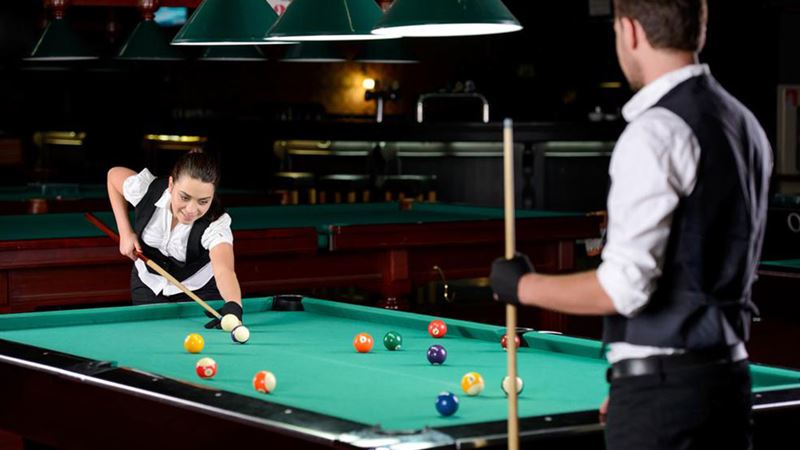
For decades, cue sports such as billiards, pool, and snooker have often been perceived by the general public as leisurely activities rather than serious competitive sports. This perception largely stemmed from the casual manner in which the game was traditionally played, often associated with relaxed social settings like pubs or informal gatherings. Players would sometimes indulge in a pint or engage in lighthearted banter during matches, further emphasizing its recreational nature rather than competitive rigor. Consequently, many viewed cue sports as simple pastimes rather than athletic pursuits requiring skill, discipline, and physical prowess.
However, as the popularity of cue sports surged worldwide, especially in countries like the United Kingdom, China, and the Philippines, perceptions began to shift. The game’s rise in competitive tournaments, professional leagues, and international championships has elevated its status considerably. Today, players train rigorously, treat it as a serious profession, and compete at high levels, which challenges traditional stereotypes about the sport. Nonetheless, some critics argue that cue sports lack the physical demands associated with mainstream sports like football or tennis, leading to ongoing debate about their classification.
One significant factor influencing the perception of cue sports as a legitimate sport is the cultural shift among players and organizations. Historically, many players would adopt a casual attitude, often seen smoking, drinking, or engaging in humorous interactions during matches. Recognizing the need for a more disciplined image, particularly in the modern sports environment where athletes are expected to exemplify health and professionalism, cue sport communities have adopted more refined practices.
The influence of British sports culture dates back to the origins of modern cue sports, and the United Kingdom was among the first to formalize standardized rules and organize official competitions. As the sport gained popularity globally, other countries followed suit, establishing national associations, hosting international tournaments, and nurturing professional players. These developments have helped elevate cue sports from casual pastime to recognized competitive disciplines.
A common misconception is that cue sports require minimal physical activity. While it is true that players do not engage in high-intensity physical exertion like runners or footballers, mastering the game demands remarkable precision, hand-eye coordination, mental focus, and strategic thinking. Professional billiard players often spend hours training to perfect their stroke, planning their next move, and analyzing opponents’ tactics. It is a sport that combines technical skill with mental agility, making it a challenging competitive activity.
Despite these advancements, cue sports have yet to gain entry into the Olympic family of sports, a status that many argue is the pinnacle of international sporting recognition. The sport was briefly considered for inclusion in the 2020 Tokyo Olympics but ultimately was not added. Critics cite the lack of physical exertion and widespread casual attitude as reasons for its exclusion. However, proponents believe that cue sports possess the competencies needed for elite competition, including high-level skill, precision, and strategic depth.
It’s important to recognize that cue sports are more than just recreational activities. They are complex, skill-intensive disciplines that involve rigorous training, tactical gameplay, and mental endurance. Many professional players dedicate decades to mastering their craft and compete in tournaments that attract large audiences worldwide. These competitions are often held in high-profile venues and broadcast globally, showcasing the sport’s entertainment value and competitive spirit.
In recent years, the perception of cue sports has progressively evolved. Efforts to promote professionalism, discipline, and sportsmanship have helped garner more respect for the discipline as a genuine sport. International organizations continue to lobby for recognition and inclusion in major sporting events, advocating for the sport’s technical complexity and entertainment appeal. The ongoing debate about cue sports’ status underscores the broader conversation about what constitutes a sport and the varying dimensions of athletic achievement.
Ultimately, whether viewed as a casual pastime or a serious competitive sport, cue sports possess qualities that align with the core values of athletic competition—skill, discipline, concentration, and strategic thinking. Their long history, global popularity, and the dedication of professional players affirm their place as a legitimate sport with a thriving community and potential for further recognition on the world stage.