
Comprehensive Guide to Choosing and Building Effective Garage Doors
Learn everything about selecting and constructing the perfect garage door. This guide covers types, materials, size considerations, automation, security features, and how to enhance your property's value and aesthetics with the right garage door choice. Make informed decisions to improve energy efficiency, safety, and functionality tailored to your needs and budget.
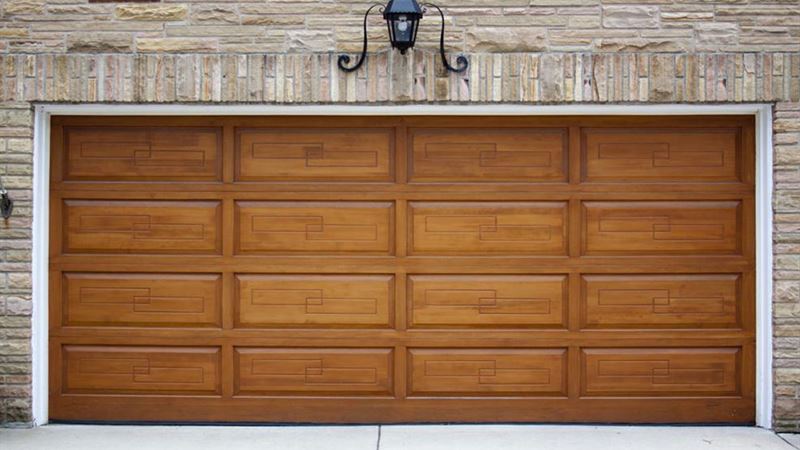
Designing and installing the right garage door involves careful consideration of various factors, including material selection, type, size, and functionality. Garage doors are not only a practical feature for vehicle storage but also contribute significantly to the overall aesthetics and security of your property. Selecting the appropriate garage door can enhance energy efficiency, improve safety, and increase property value. This comprehensive guide explores the essential features, materials, and design considerations to help you make an informed decision that aligns with your needs and budget.
When it comes to garage doors, energy efficiency is a key factor. Single-panel doors are often favored for their simplicity and lower energy consumption, especially when equipped with automatic lifting systems. These doors require less energy during operation as compared to more complex mechanisms. Conversely, double-door systems offer notable advantages, primarily their convenience and modern functionality. Automated double doors open like conventional doors, facilitating easier access and providing seamless operation, particularly in high-traffic areas or commercial settings.
Beyond basic models, a variety of garage door types exist, each offering unique benefits tailored to different needs. Roll-up garage doors are popular in commercial applications due to their space-saving design, while bifold or double oscillating doors provide quick and easy access. Horizontal opening garage doors, typical in residential settings, are appreciated for their traditional design and compatibility with various architectural styles. Each type has its own set of pros and cons, making it essential to understand their distinctions before making a purchase.
Materials Used for Garage Doors
Garage doors are manufactured from a wide range of materials, each with advantages suited for specific conditions and aesthetic preferences. Common materials include metal, wood, and fiberglass. Metal doors, particularly steel and aluminum, are highly durable, low-maintenance, and cost-effective. Steel doors offer strength and security, while aluminum doors are lightweight, resistant to rust, and require minimal upkeep. However, aluminum doors are less energy-efficient and can dent more easily.
Wood garage doors boast an artistic and traditional appeal, often adding a warm and classic look to homes. While aesthetically pleasing, wood doors tend to be more expensive and require regular maintenance to prevent deterioration due to weather exposure. Fiberglass garage doors are a premium option, combining strength with a lightweight profile and resistance to corrosion. They can be designed to mimic wood grains, offering both beauty and durability.
Energy efficiency is another key concern, particularly in colder climates. Insulated garage doors help maintain internal temperatures, reducing energy costs and enhancing comfort. Insulated options are available across all material types, providing effective barriers against heat transfer.
Larger versions of garage doors are commonly employed in industrial applications such as locomotive sheds, bus garages, and warehouses. These doors are designed to handle heavier loads and larger openings, requiring specialized materials and construction techniques.
The choice of garage door material significantly influences maintenance requirements, lifespan, and overall cost. For instance, aluminum doors are inexpensive, lightweight, and corrosion-resistant but lack strength. Steel doors are more durable and secure but may need repainting or rust-proofing over time. Wooden doors, while visually appealing, necessitate regular upkeep to sustain their appearance. Fiberglass doors strike a balance between aesthetics and durability, making them suitable for premium applications.
Design and Construction Considerations for Garage Doors
Building a garage involves meticulous planning to ensure functionality, aesthetics, and safety. One of the most important considerations is size. Standard garage door dimensions typically measure 8' x 7' for single doors and 8' x 16' for double doors, adequately accommodating most medium-sized vehicles. However, if you own larger vehicles such as SUVs or trucks, opting for oversized doors can offer better convenience and future-proof your investment. Moreover, expansive garage doors can enhance the perceived size of your home and increase property resale value.
Automated garage doors have revolutionized convenience, especially during adverse weather conditions. Modern systems incorporate sensors and remote controllers that allow for effortless operation. Sensors detect approaching vehicles and automatically open or close the doors, significantly improving safety by preventing accidental closures or collisions. Remote control operation facilitates quick access, a feature highly appreciated in busy households or commercial properties.
When designing your garage, consider the integration of security features such as robust locking mechanisms, reinforced panels, and alarm systems to safeguard your vehicles and belongings. Additionally, the interior design can be enhanced with insulation, ventilation, and durable flooring to create a comfortable and efficient workspace or storage area.
Investing in a well-designed garage with appropriately sized and styled doors adds value to your property. Oversized garage doors, in particular, attract attention in the real estate market and make your home more appealing to prospective buyers. The selection of material, color, and style should complement the overall architecture of your home to achieve harmony and curb appeal.
In conclusion, choosing the right garage door involves balancing functionality, aesthetics, security, and cost. Whether you prioritize energy efficiency, durability, or visual appeal, understanding the various options available will help you make a decision that enhances your property's value and meets your lifestyle needs. Proper planning and selection of high-quality materials ensure that your garage door remains reliable, safe, and visually appealing for years to come.