
Comprehensive Guide to Recognizing and Managing COPD Symptoms and Disease Progression
This comprehensive article explores COPD symptoms, stages, and management strategies, emphasizing early detection and lifestyle changes. It highlights the importance of smoking cessation, proper medication use, and supportive therapies to enhance patient quality of life and prevent disease progression. Learn how to identify symptoms early and implement effective treatments for better respiratory health.
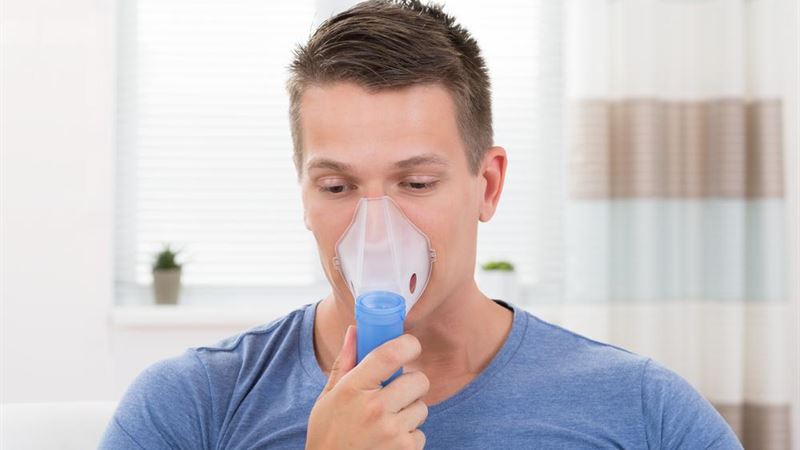
- Changes in sputum color, turning green or yellow, indicating possible infection or inflammation
- Persistent cough producing mucus, often chronic and worsening over time
- Difficulty breathing, especially during physical activities or exertion, caused by narrowed airways
- Rapid or labored breathing, often accompanied by shortness of breath even at rest in advanced stages
- Excessive sweating linked to respiratory effort and fatigue
- Elevated heart rate as the heart works harder to oxygenate the body
- Blusish tint to lips or fingertips, a sign of low oxygen levels—cyanosis
Understanding the various stages of COPD is crucial for monitoring disease progression and tailoring treatment plans.
- Stage 1 – Mild COPD: FEV1 is 80% or higher than predicted. Symptoms may be minimal or absent, but early lung damage begins. Management focuses on risk factor reduction, particularly smoking cessation.
- Stage 2 – Moderate COPD: FEV1 ranges between 50% and 80%. Symptoms such as cough and shortness of breath become more noticeable. Medical treatment includes bronchodilators and lifestyle modifications.
- Stage 3 – Severe COPD: FEV1 drops between 30% and 50%. Symptoms become more debilitating, with frequent exacerbations. Oxygen therapy and pulmonary rehabilitation may be necessary.
- Stage 4 – Very Severe COPD: FEV1 falls below 30% of predicted or occurs with chronic respiratory failure. Quality of life reduces significantly, requiring intensive management, including long-term oxygen therapy and advanced medications.
Effective management strategies include a combination of lifestyle changes, medication adherence, and environmental modifications. One of the primary measures is quitting smoking, which is the leading cause of COPD. Continued tobacco use accelerates airway damage and worsens disease progression. Quitting smoking at any stage can improve symptoms and slow disease advancement.
In addition to smoking cessation, avoiding environmental irritants—such as air pollution, dust, and chemical fumes—is essential. Patients should minimize exposure to indoor and outdoor pollutants that can exacerbate symptoms.
Medications form the cornerstone of COPD management. Bronchodilators like ipratropium bromide help open airways, reducing shortness of breath and improving airflow. Corticosteroids may also be prescribed to decrease airway inflammation. While antibiotics are used to treat infections that can worsen COPD exacerbations, their routine use for all patients provides limited benefits and should be carefully considered by healthcare providers.
Vaccinations, including the annual influenza shot and pneumococcal vaccine, are critical in preventing infections that can lead to severe exacerbations. Regular health check-ups facilitate monitoring disease progression and adjusting treatment plans accordingly.
In advanced cases, oxygen therapy becomes essential. Long-term oxygen therapy improves survival rates and enhances quality of life by ensuring tissues receive adequate oxygen. Pulmonary rehabilitation programs are also beneficial, incorporating physical exercise, nutritional counseling, and education to help manage symptoms effectively. Though physiotherapy cannot improve lung function directly, it helps clear airways and reduces respiratory effort.
In summary, managing COPD is a multifaceted approach that requires early recognition, lifestyle adjustments, and appropriate medication. Through vigilant management and patient education, it is possible to improve quality of life, reduce symptom severity, and slow disease progression.