Explore the comprehensive evolution of luggage sets from ancient times to modern innovations. Discover how technological advancements, stylish designs, and personalized features have transformed travel gear into smarter, more durable, and environmentally friendly companions. Perfect for travelers seeking comfort, security, and trendiness, modern luggage sets are essential for today's dynamic lifestyle. This detailed guide covers materials, features, future trends, and the importance of choosing the right luggage for a seamless travel experience, ensuring your journeys are always smooth and stylish.
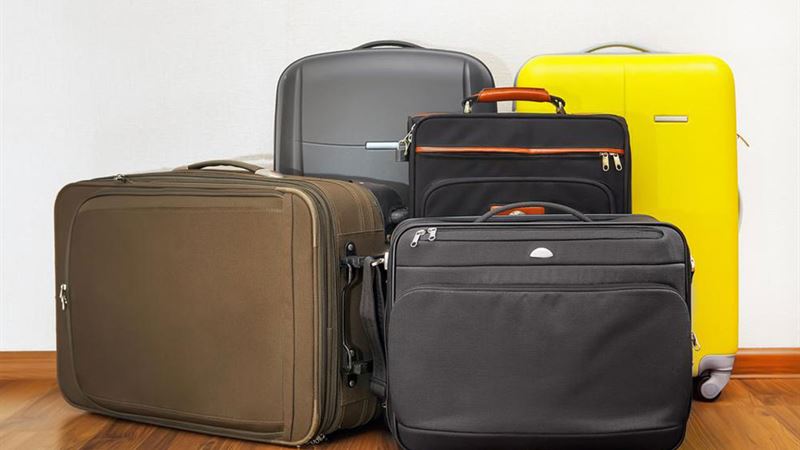
Traveling has been an integral part of human life for thousands of years, and at the heart of every journey lies the humble yet essential luggage set. From primitive carriers to sophisticated, high-tech suitcases, luggage has evolved dramatically over time. In ancient civilizations, humans used simple sacks or hides to transport their belongings, but as trade networks expanded and travel became more frequent, the need for more durable and organized luggage solutions grew. The invention and development of luggage sets have been driven by mankind’s desire to combine functionality with convenience, comfort, and style.
Historically, the earliest luggage was crafted from natural materials like leather, wood, and metal. These early suitcases and trunks were bulky and heavy, often difficult to carry, but incredibly sturdy. They were designed to withstand rough handling during long journeys, whether by sea, land, or air. As the industrial revolution gained momentum, manufacturing techniques improved, resulting in more resilient and lightweight luggage options made from metal alloys, reinforced wood, and eventually, early plastics. The design focus shifted toward making travel gear more portable while maintaining strength and durability.
Transitioning into the 20th century, advances in technology sparked a revolution in luggage design. The two world wars necessitated smarter, more efficient ways to transport goods and personal belongings, leading to innovations that influence modern luggage today. The introduction of lightweight materials like aluminum, nylon, and polycarbonate drastically changed the game. By the mid-century, suitcases with wheels and telescoping handles had become standard, making travel easier for millions. The development of locking mechanisms and TSA-approved locks increased security, while design aesthetics transitioned from purely utilitarian to more fashion-forward options tailored to consumer tastes.
In recent decades, the global travel industry has expanded exponentially, fueling fierce competition among brands to produce smarter, more versatile luggage sets. The contemporary traveler’s demands have shifted towards lightweight, multi-functional, and tech-integrated luggage. Today’s luggage sets often include compartments specifically designed for laptops, tablets, chargers, and other gadgets—reflecting the modern dependency on technology. Materials used now are lighter yet more robust, such as durable polycarbonates with scratch-resistant finishes, high-strength fabrics, and ergonomic handles. These innovations not only enhance durability but also reduce airline baggage mishandling, as manufacturers strive to create luggage that withstands rough handling and frequent use.
Customization has become a significant trend in the luggage industry. Consumers can select from a wide variety of styles, colors, and features to match their personality or even their wardrobe. Notably, children now have their miniature luggage suitcases, which serve as both functional items and tools for teaching responsibility. Psychologists suggest that kids with their own luggage tend to develop better organizational skills and independence early in life. This personalization trend extends to accessories such as tags, locks, and portable chargers, making luggage sets not just practical travel gear but also expressions of individual style.
As technology continues to advance, the future of luggage looks even more promising. We can expect to see smart luggage integrated with GPS tracking, biometric locks, and charging ports for electronic devices. Environmental considerations are also influencing the industry, prompting designers to craft eco-friendly luggage using recycled materials, biodegradable fabrics, and energy-efficient manufacturing processes. The ongoing evolution promises luggage that is not only more durable, innovative, and stylish but also environmentally responsible and user-centric. From lightweight carry-ons to massive checked suitcases, the journey of luggage sets reflects humanity’s relentless pursuit of making travel easier, safer, and more enjoyable for everyone.
In conclusion, luggage sets are no longer simple carriers of clothes; they are sophisticated, personalized travel companions that embody technological innovation, style, and practicality. Whether for business trips, family vacations, or adventurous journeys, modern luggage sets adapt seamlessly to the needs of a diverse and evolving global population. As travel continues to grow and change, so too will our luggage, ensuring that the phrase "the right luggage makes a journey" remains as relevant as ever. Investing in quality, innovative luggage is investing in a better travel experience—one that is designed to keep up with our fast-paced, interconnected world.
