
Effective Strategies for Alleviating Leg Muscle Discomfort
Discover comprehensive and effective methods to soothe leg muscle pain. From compression therapy and temperature treatments to stretching exercises and physiotherapy, this guide offers evidence-based strategies to manage pain, reduce inflammation, and enhance mobility. Consult healthcare professionals before starting any new treatment to ensure safe and tailored relief. Whether dealing with nerve issues, injuries, or chronic inflammation, these proven techniques can help you regain comfort quickly and safely.
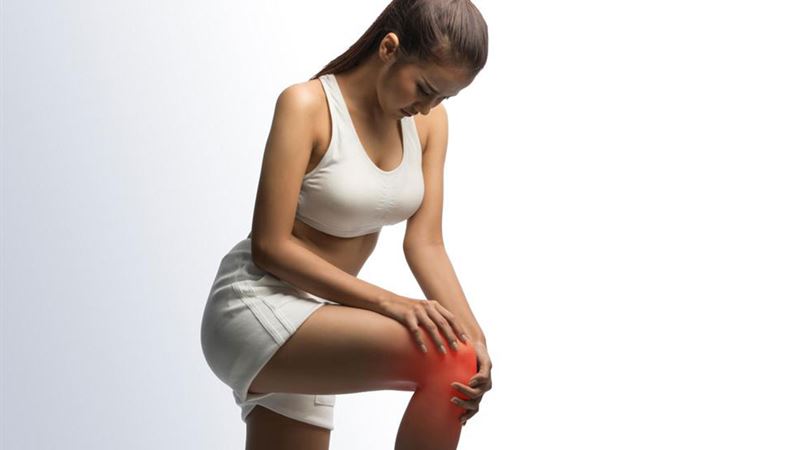
Utilizing Compression Garments: Wearing compression socks or stockings stands out as a highly effective approach for managing leg muscle pain caused by nerve issues. Such discomfort often results from conditions like diabetic neuropathy or other nerve-related ailments. Compression garments provide essential support to the legs, promoting consistent blood flow and reducing sensations of numbness. They help maintain healthy circulation, which can prevent the worsening of symptoms and facilitate recovery. Properly fitted compression wear not only alleviates pain but also reduces swelling and fatigue in the legs, making them a popular choice among patients seeking non-invasive relief methods.
Applying Heat and Cold Therapy: Addressing acute or injury-related leg pain often requires a strategic application of temperature therapies. For recent injuries or trauma, cold treatments such as ice packs or cold compresses can significantly diminish swelling and numbness, providing immediate pain relief. These cold therapies constrict blood vessels, decreasing inflammation and helping reduce muscle spasms. Conversely, chronic or persistent discomfort, especially when associated with inflammation, benefits from heat therapy. Heating pads, hot water bottles, or warm compresses promote blood flow, relax tense muscles, and enhance flexibility. Alternating between cold and heat treatments can sometimes maximize relief, but it’s important to tailor these approaches to individual conditions and consult healthcare practitioners before use.
Engaging in Targeted Stretching and Physical Therapy: Regular stretching exercises and physiotherapy are crucial components in managing leg muscle pain. These activities help stretch tight muscles, improve circulation, and restore joint mobility. Incorporating gentle stretches such as towel stretches—lying on your back, holding a towel against your feet, and gently pulling upwards—can be highly effective. Walking and low-impact exercises also enhance muscle flexibility and reduce stiffness. It’s essential to perform these exercises correctly to avoid further injury; consulting with a physiotherapist can ensure safe and effective routines. Consistent physiotherapy sessions not only provide pain relief but also aid in rebuilding muscle strength and preventing future episodes of discomfort.
Before starting any new treatment or exercise regimen for leg pain, consulting a healthcare professional is vital. Proper diagnosis determines the root cause of your pain, whether it’s nerve damage, inflammation, injury, or other conditions. A medical professional can also recommend appropriate medications and guide you through safe physiotherapy practices, ensuring your treatments are tailored to your individual needs. Avoid self-diagnosing or over-the-counter remedies without expert advice to prevent aggravating the problem and prolonging recovery.