
Comprehensive Guide to Pulmonary Fibrosis: Causes, Symptoms, and Treatments
Learn all about pulmonary fibrosis, including its causes, symptoms, diagnostic procedures, and current treatment options. This comprehensive guide highlights the importance of early diagnosis and the latest advancements in managing this progressive lung disease, offering hope for affected individuals and their families.
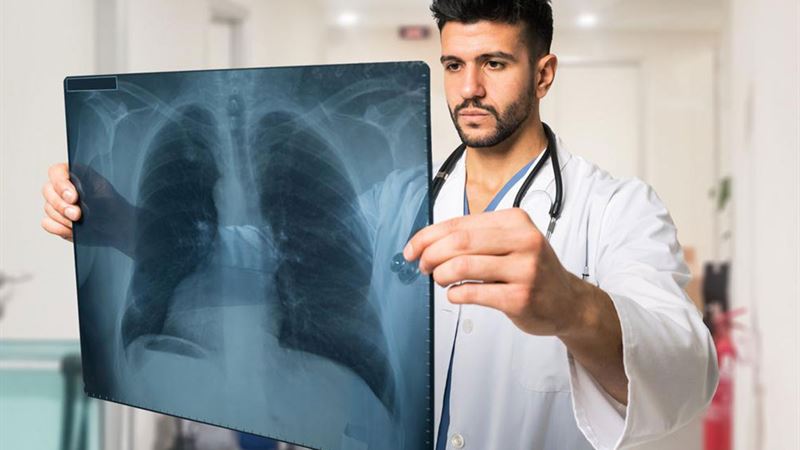
Pulmonary fibrosis is a complex and progressive lung disease characterized by the buildup of scar tissue within the lungs. This scarring hampers the lungs' ability to expand and contract properly, severely impairing respiratory function. Several factors can contribute to the development of this condition, including environmental exposures, genetic predispositions, and lifestyle choices such as smoking. Over time, the lungs become increasingly stiff, which restricts airflow and hampers efficient oxygen exchange between the alveoli and the bloodstream. This reduction in oxygen levels can lead to systemic health issues, including fatigue, increased heart workload, and even right-sided heart failure. The pathophysiology of pulmonary fibrosis involves ongoing inflammation leading to abnormal tissue repair and scarring, which progressively replaces healthy lung tissue. As fibrosis advances, patients often experience a decline in lung capacity, making even routine activities difficult and leading to a decreased quality of life.
One of the hallmark symptoms of pulmonary fibrosis is persistent shortness of breath, especially during physical activity or exertion. Patients may initially notice difficulty taking deep breaths or sensation of breathlessness that worsens over time. As the disease progresses, breathing becomes increasingly labored and painful, which can significantly impact daily life. Common early signs also include a dry cough that doesn't produce mucus, fatigue, unintended weight loss, muscle and joint aches, and finger clubbing—an abnormal swelling and curvature of the fingers and toes. These symptoms often develop gradually, making early diagnosis challenging but crucial for managing disease progression effectively.
The clinical course and severity of pulmonary fibrosis vary widely among individuals. Some patients experience slow progression over several years, while others may face rapid deterioration. Various factors influence disease progression, including genetic predisposition, environmental exposures such as inhalation of dust or toxins, and lifestyle habits like smoking. Smoking, in particular, is identified as a significant risk factor contributing to lung tissue damage and fibrosis development. Identifying and managing these risk factors can potentially slow disease progression and improve quality of life. Diagnostic evaluation typically involves high-resolution computed tomography (HRCT), pulmonary function tests, and sometimes lung biopsy to confirm fibrosis and rule out other causes of respiratory symptoms.
Modern medicine offers several treatment options aimed at slowing disease progression and alleviating symptoms. Currently, FDA-approved drugs such as pirfenidone and nintedanib are commonly used. Pirfenidone works by reducing inflammation and fibrosis, though it may cause side effects like skin rashes, nausea, and gastrointestinal discomfort. Nintedanib, a tyrosine kinase inhibitor, helps limit lung tissue scarring but may lead to diarrhea and nausea. Both medications have demonstrated efficacy in slowing disease progression and improving functional capacity in some patients. However, these treatments do not reverse existing scarring, underscoring the importance of early diagnosis and intervention.
Research is ongoing to discover more effective therapies with fewer side effects and greater benefits. Several new drugs are currently in clinical trials, which aim to target different pathways involved in fibrosis. These promising therapies hold the potential to alter the disease's course significantly in future management strategies. Besides pharmacological treatment, supplemental oxygen therapy can help relieve hypoxemia and improve stamina. Pulmonary rehabilitation programs, which include exercise training, education, and support, are also beneficial in enhancing respiratory function and overall well-being. In advanced cases, lung transplantation remains the definitive treatment option. Lung transplant can significantly extend lifespan and improve quality of life, especially for younger patients with severe fibrosis. The procedure, however, carries risks such as rejection and complications related to immunosuppression.
Despite advancements in treatment, pulmonary fibrosis remains a disease with a poor prognosis, reflecting its progressive nature and the challenge of reversing established scarring. Patients often face a journey filled with physical and emotional challenges. Supportive care, including patient education, symptom management, and psychological support, plays a vital role in comprehensive disease management. Ongoing research focusing on regenerative medicine, gene therapy, and novel antifibrotic agents offers hope for future breakthroughs. International collaborations and clinical trials are continuously expanding our understanding of the disease and accelerating the development of new therapies. Early detection and intervention are crucial for improving survival rates and maintaining quality of life.