
Comprehensive Guide to Tiffany-Style Table Lampshades: Designs, Materials, and Historical Significance
Explore the timeless allure of Tiffany-style table lampshades through a detailed overview of their glass types, traditional designs, shapes and sizes, durability, and base styles. Discover how these handcrafted lamps blend artistry with functionality, making them a prized addition to any home décor collection. Ideal for vintage enthusiasts and interior designers alike, this guide offers insights into maintaining and selecting the perfect Tiffany lamp for your space.
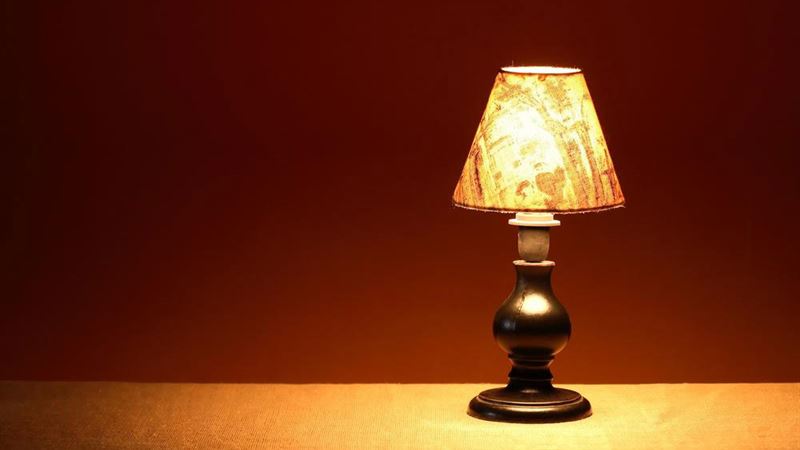
Varieties of Glass Used in Tiffany Lamps
The choice of glass plays a crucial role in the aesthetic appeal of Tiffany table lamps. Artists and designers have historically favored leaded glass varieties such as fractured glass, confetti glass, and vibrant colored stained glass to craft these iconic lamps. The translucency and intricate patterns of these glass types highlight the vivid colors and detailed designs, creating a mesmerizing glow when illuminated. The interplay between the glass type and color schemes significantly influences the overall visual impact of the lamp, making each piece a unique work of art.
The Rustic Charm of Classic Tiffany Lamps
Originally crafted in the early 20th century, Tiffany lamps embodied a blend of artistry and elegance that resonated with Victorian and Art Nouveau aesthetics. During their peak popularity, these lamps were considered luxury items due to the painstaking craftsmanship involved in their creation. Even today, they exude a timeless rustic appeal that can elevate the decor of any sophisticated home. The delicate, nature-inspired designs such as Wisteria or floral motifs add an organic charm, with some rare pieces becoming highly sought after by collectors and enthusiasts.
Varieties in Shapes and Sizes of Tiffany Lampshades
Tiffany lampshades come in an impressive range of shapes and sizes, catering to diverse decorative preferences. Collectors and interior designers often seek out rare sizes that are both aesthetically appealing and valuable. Popular shapes include traditional bell-shaped shades, sharply contoured helmet shapes, and more artistic, freeform designs. Variations in size and form not only influence the visual balance of the lamp but also determine its functionality and placement within a space. Unique, custom-sized Tiffany lamps are a testament to the craftsmanship's versatility and the demand for bespoke lighting fixtures.
Materials and Durability of Tiffany Lampshades
One of the most significant advantages of Tiffany stained glass lamps is their durability. Unlike many modern glass shades that tend to crack or degrade over time, high-quality leaded glass used in Tiffany lamps is resistant to cracking if properly maintained. Although aging and stress can cause cracks in some glass types, Tiffany lamps are engineered to withstand daily use, making them ideal for long-term placement. The colors remain vibrant over decades, and the protective soldering techniques employed add to their longevity, ensuring they remain as beautiful and functional as the day they were made.
Design of Tiffany Lamp Bases
The base of a Tiffany lamp is not merely functional; it complements the shade's intricate design. These bases are often designed specifically for particular shades, ensuring a perfect fit and aesthetic harmony. While some Tiffany bases are elaborately decorative, featuring ornate metalwork and fine detailing, others adopt a minimalist style to highlight the beauty of the glass shade. The matching of the base and shade is carefully considered by artisans to enhance the overall visual impact of each lamp. The combination of a well-crafted base with a stunning shade results in a cohesive piece that serves as both a functional light source and a decorative masterpiece.