
Essential Guide to Purchasing a Pre-Owned Ford Edge: Key Tips and Insights
Discover comprehensive insights into buying a used Ford Edge, including model features, safety ratings, engine options, and price tips. Learn how to evaluate vehicle condition, safety features, and resale potential to make informed purchasing decisions. Find out what to look for in different trims and engine variants, and how to secure the best deal from reputable dealerships. This in-depth guide ensures you understand all aspects of selecting a reliable, safe, and efficient used Ford Edge, helping you invest wisely in this versatile SUV for everyday use or family adventures.
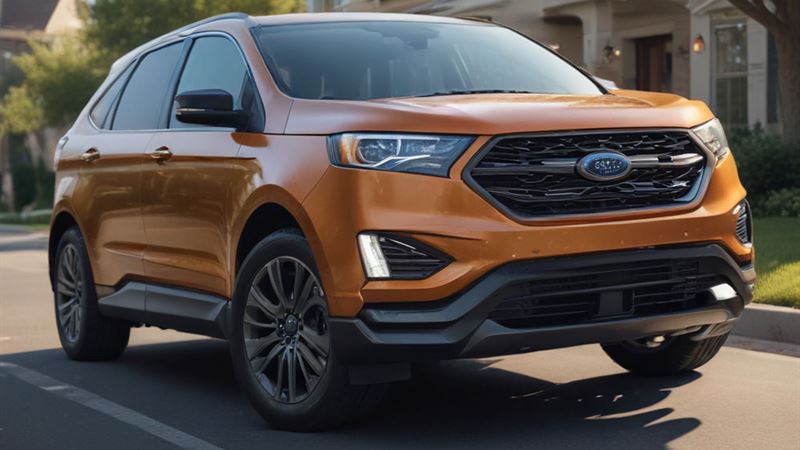
1. Understanding Trim Levels and Features
The Ford Edge offers a diverse range of trims including SE, SEL, Titanium, ST, and ST-Line. The base SE provides essential features suitable for budget-conscious buyers, while the premium trims like Titanium and ST-Line come equipped with advanced amenities and sporty design elements. The high-performance ST trim is designed for enthusiasts seeking superior power and handling. Recognizing the differences among these trim levels is crucial for making an informed purchase.
The initial versions of the Ford Edge, especially the first generation, came with standard features such as an AM/FM stereo system, hands-free connectivity, air conditioning, and adjustable seating options. Additionally, they were equipped with 18-inch premium wheels and Ford's renowned SYNC in-car multimedia system. Upgrading to later models or higher trims introduces features like dual-zone climate control, lane-keeping assist, adaptive cruise control, and automatic emergency braking. Prospective buyers should verify that their preferred features are available and functioning properly before finalizing a purchase, especially when considering older models where some amenities might be optional or unavailable.
2. Vehicle Condition and Resale Potential
The condition of a used Ford Edge greatly influences its market value and longevity. Factors such as overall wear and tear, maintenance history, mileage, and accident records significantly affect the vehicle's resale value. A well-maintained, lower-mileage vehicle in excellent condition will typically fetch a higher resale price, providing a better investment for the buyer.
When purchasing a used Ford Edge, opting for certified pre-owned (CPO) models from authorized dealerships is highly recommended. These vehicles undergo rigorous multi-point inspections to ensure they meet strict quality standards. Certified models often come with extended warranties and at least some of the original manufacturer’s coverage, offering additional peace of mind. Conducting a thorough inspection or hiring a professional mechanic to assess the vehicle's health is also advisable. Additionally, online sources like classified ads or dealership inventories can provide a good starting point for locating the best deals, but visiting physical dealerships allows for better inspection and negotiation opportunities.
3. Assessing Fuel Economy
Fuel efficiency tends to decline in used vehicles with age or inadequate maintenance. Factors like engine wear, clogged fuel injectors, low tire pressure, and outdated technology can all contribute to higher fuel consumption. Vehicles that have not been properly serviced might also have issues such as damaged oxygen sensors or worn engine components, which impair fuel economy. Prior to purchase, it’s essential to verify that these issues have been addressed and that the vehicle operates efficiently. Drivers should examine maintenance records and consider conducting a test drive to assess real-world fuel consumption. An efficient Ford Edge can save hundreds of dollars annually in fuel costs, making the investment more economical in the long run.
4. Safety Features and Reliability Ratings
For any used car purchase, safety is paramount. Potential buyers should review crash test ratings from reputable organizations like NHTSA or IIHS to understand the safety performance of the Ford Edge model year they are considering. Higher safety ratings typically indicate better protection for occupants during accidents.
The first-generation Ford Edge was equipped with standard safety measures such as dual front airbags, front side-impact airbags, side curtain airbags, anti-lock braking systems (ABS), traction control, tire pressure monitoring, and electronic stability control. As technology advanced, newer models introduced additional safety features, including collision mitigation systems, evasive steering assist, adaptive cruise control, and lane-centering technology. These features significantly enhance vehicle safety and driver convenience.
Reading online reviews and owner feedback can also provide insights into the vehicle’s real-world reliability. Common issues, owner satisfaction levels, and maintenance requirements are often discussed by previous owners and can help buyers gauge potential long-term costs and reliability. It’s important to verify the vehicle's maintenance history and ensure all safety features are operational before proceeding with the purchase.
Engine and Transmission Options in Used Ford Edges
The powertrain options vary significantly across different Ford Edge generations. The first-generation model primarily featured a Duratec V6 engine producing 265 horsepower, paired with a 6-speed automatic transmission. Over time, Ford introduced more powerful and efficient engines, including a 3.7-liter V6 with 305 horsepower and EcoBoost variants delivering around 240 horsepower.
The second generation marked the advent of turbocharged four-cylinder engines, specifically a 2.0-liter EcoBoost four-cylinder engine generating approximately 245 horsepower. Additionally, a 3.5-liter V6 engine with 280 horsepower was offered, with the top-tier engines being a 2.7-liter twin-turbo EcoBoost V6 producing up to 315 horsepower. These engines all came with a 6-speed automatic gearbox, ensuring smooth performance and transfer of power. When shopping for a used Ford Edge, consider your performance preferences, whether that's fuel efficiency, power, or a balance of both, to select the most suitable engine configuration.
Price Range for Used Ford Edges
The current market prices for pre-owned Ford Edges vary widely based on year, trim level, mileage, and overall condition. Entry-level models can be found for as low as $2,500, while top trims with advanced features may reach $50,000 or more. Generally, average prices for well-maintained used Ford Edges hover between $10,000 and $25,000. Factors such as regional demand, vehicle history, and specific dealership offerings influence the final price. To obtain the best deal, prospective buyers should compare prices across multiple sources—including certified dealerships and reputable private sellers—and consider financing options or trade-in deals. Visiting authorized Ford dealerships often provides access to certified pre-owned vehicles with extended warranties and attractive financing plans, making them a prudent choice for budget-conscious buyers.
In summary, purchasing a used Ford Edge can be a rewarding experience when approached with proper knowledge. By understanding the different trims and features, evaluating the vehicle's condition, checking safety and reliability ratings, and assessing the performance options, buyers can make confident decisions. Careful price comparison and dealer negotiations further ensure that they secure a quality vehicle at a fair price. Whether for daily commuting or family adventures, a well-chosen used Ford Edge combines style, utility, safety, and value in one impressive package.