
Comprehensive Guide to Riding Lawn Mowers: Features, History, and Usage
Explore the comprehensive guide to riding lawn mowers, covering their history, components, various types, power sources, and multifunctional features. Learn how these machines have evolved to offer efficient and versatile lawn care, suited for large-scale land maintenance. Discover what to consider when choosing the right riding mower for your needs, including power options and attachments, to optimize your landscape management tasks effectively.
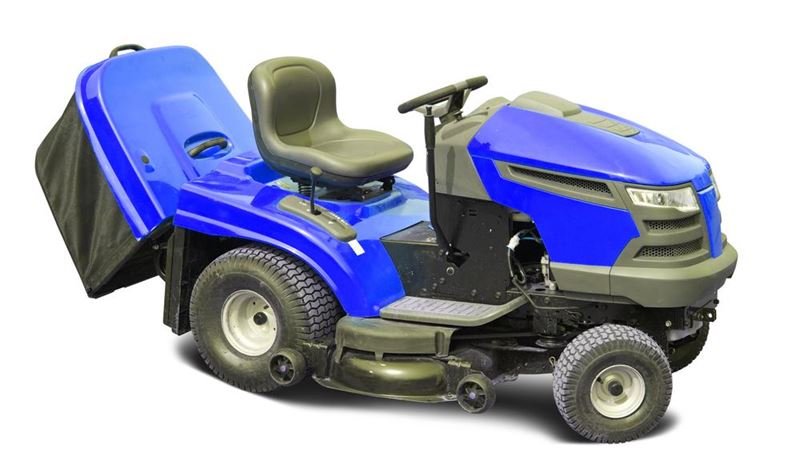
Unlike walk-behind equipment, riding lawn mowers feature a built-in seat for the operator, who can navigate the grounds with ease. They are designed to handle extensive grass trimming tasks swiftly, especially in areas with uniform grass coverage such as golf courses, sprawling estates, and public parks. While they excel at covering large, open spaces rapidly, riding mowers are less suitable for highly intricate terrains or areas that demand a high degree of maneuverability, such as flower beds or tight corners.
The core components of a reel riding lawn mower include the reel cylinder, bed knife, engine, robust body frame, wheels, and push handle. The reel cylinder is responsible for cutting the grass, while the engine powers the movement and operation of the cutting blades. The body frame provides structural support, and the wheels facilitate movement across uneven terrain. Typically, riders are expected to be at least sixteen years old, demonstrating appropriate maturity and responsibility to operate these powerful machines safely and effectively.
As technology advanced, new models were introduced, with Self-propelled ride-on lawn mowers becoming increasingly popular. The Triplex riding mower from Ideal Power Mower Co. heralded this new era, featuring enhanced performance through multiple blades, which allowed for quicker, more uniform cuts across large expanses of grass. The evolution continued through the 20th century with innovations from companies like Worthington Mower, leading to a wide variety of ride-on mowers designed for different applications, terrain types, and user preferences. Despite ongoing improvements, the fundamental design principles of these machines have remained relatively unchanged, focusing on durability, efficiency, and ease of operation.
Modern riding mowers often feature accessories to increase functionality. Some models include grass catchers that gather and store cut grass, reducing cleanup time after mowing. Others are equipped with openings or chutes to discharge grass clippings directly onto the ground, making maintenance quicker. Additionally, some specialized mowers incorporate rotating brushes or vacuum features that can collect long, wet grass or debris more efficiently. Hi-vac models are designed for dry conditions, providing optimal performance when used appropriately.
The power sources for riding lawn mowers typically include gasoline engines or electric motors. Traditionally, gas-powered models dominated the market due to their portability and high power output. However, in recent years, electric riding mowers have gained favor because of their environment-friendly operation, lower noise levels, and reduced maintenance requirements. Modern electric models often feature push-button start mechanisms, replacing the classic mechanical pull cords, providing a more user-friendly experience. Larger commercial-grade models may offer manual or hydrostatic transmissions, giving operators smooth control over speed and direction.
Hydrostatic transmissions, which use a hydraulic pump and motor system, are more efficient and easier to operate compared to mechanical gear transmissions. They provide seamless speed changes and better handling, especially on uneven terrain. Although hydrostatic models tend to be more expensive, their increased performance justifies the investment for many users. Manufacturers have attempted to develop more affordable hydrostatic systems by simplifying design and minimizing parts, but these efforts often face reliability challenges. As a result, many premium riding mowers incorporate complex hydraulic systems to maximize durability and functionality.
Many riding mowers are designed as multi-purpose equipment capable of handling various attachments such as snow blowers, aerators, leaf collectors, and even small loaders or forklifts. These attachments significantly extend the usability of riding mowers beyond grass cutting, making them valuable assets for landowners and landscapers. The materials used in manufacturing these machines typically include steel and aluminum for strength and durability. Cheaper models might utilize durable plastics to reduce cost and weight while resisting rust and corrosion. Electric models often incorporate plastic components; however, high-end models maintain metal parts for longevity and robustness.
Overall, whether powered by gas or electricity, riding lawn mowers are engineered to provide efficient, reliable, and versatile lawn maintenance solutions. As technology continues to evolve, new features and improvements are introduced, aimed at enhancing user comfort, operational efficiency, and environmental sustainability. Proper selection based on terrain, land size, and intended use is crucial for maximizing the benefits of these powerful machines while ensuring safety and ease of operation.