
Effective Strategies to Maximize Refrigerator Energy Efficiency
Learn comprehensive methods to enhance your refrigerator's energy efficiency, from proper placement and regular cleaning to smart storage and maintenance strategies. This detailed guide helps you lower energy bills, extend appliance lifespan, and contribute to eco-friendly living, using practical, science-backed tips suitable for every household. Adopt these expert recommendations today for sustainable savings and optimal refrigerator performance.
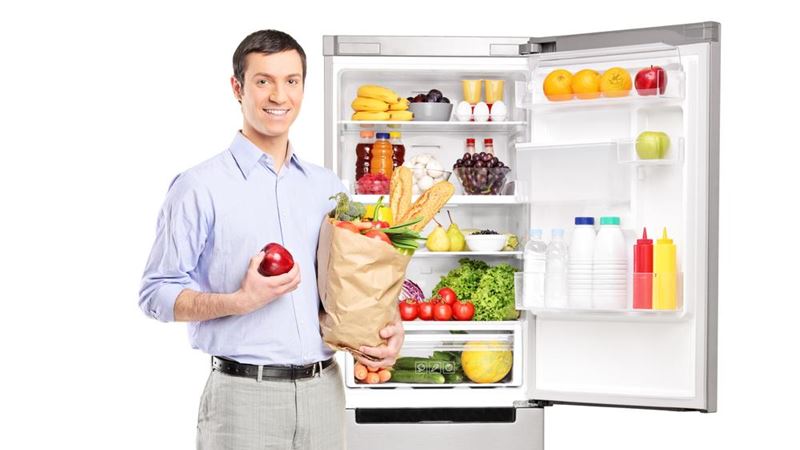
Maintaining optimal energy consumption in your refrigerator is essential for reducing household costs and supporting environmental sustainability. This comprehensive guide explores practical and scientifically backed methods to enhance your refrigerator’s energy efficiency, ensuring it operates at peak performance while conserving power. From simple maintenance tips to strategic placement, learn how to maximize your appliance’s lifespan and efficiency, ultimately saving money and contributing to greener living.
- Proper Placement and Ventilation
Positioning your refrigerator correctly is fundamental to its efficiency. Ensure that it is placed at least two inches away from the wall to allow proper airflow around the condenser coils. Obstructed airflow can cause the unit to work harder, increasing energy consumption. Additionally, avoid placement in direct sunlight or near heat sources like ovens or radiators, which can lead to higher cooling demands. Choosing an ideal location helps maintain consistent temperature levels and reduces unnecessary strain on the compressor.
- Regular Cleaning of Condenser Coils
The condenser coils located at the back or underneath your refrigerator play a pivotal role in heat dissipation. Dust, pet hair, and cobwebs accumulated on these coils act as insulators, preventing heat transfer and forcing the compressor to operate longer. Regularly cleaning the coils with a brush or vacuum cleaner improves heat exchange efficiency, lowers energy consumption, and prolongs the lifespan of your appliance. Experts recommend cleaning these coils at least twice a year, especially in homes with pets or dusty environments.
- Maintain Proper Door Seals
Detecting and fixing leaks in door gaskets is crucial for preventing cold air loss. Over time, seals may become cracked or loosened, allowing warm air to enter and cold air to escape. To avoid this, routinely inspect the gasket for cracks or tears. Perform a simple test by closing the door on a dollar bill; if you can pull it out easily without resistance, the seal may need replacement. A well-sealed door maintains internal temperature stability, reducing the workload on the compressor and saving energy.
- Minimize Door Opening and Keep It Closed
Every time the refrigerator door is opened, cold air escapes and warm air enters, forcing the appliance to work harder to return to set temperatures. To optimize energy efficiency, open the door only when necessary and close it promptly. Consider organizing your food so frequently needed items are easily accessible, minimizing the duration of door openings. Installing door alarms or reminders can be helpful in households with children or forgetful family members.
- Limit Usage of Ice Makers and Dispensers
While built-in ice makers and water dispensers offer convenience, they can significantly increase energy usage, consuming up to 20% more power. If not in regular use, turn off these features or disconnect their power supply. For ice, consider using ice cube trays instead. This simple switch can lead to considerable energy savings over time and reduce wear on internal components.
- Optimal Food Storage
Proper organization of your refrigerator ensures efficient cooling and easier access. Avoid overcrowding, which restricts airflow within the unit. Place bulky items like pizzas or large bakery boxes at the back or on the bottom shelves, leaving ample space around food items to promote air circulation. Keep hot foods cooled before refrigerating to prevent raising internal temperature unnecessarily. A well-organized fridge helps maintain a stable temperature and reduces the compressor’s workload, leading to lower energy bills.
- Temperature Settings and Monitoring
Set your refrigerator temperature between 37°F and 40°F (3°C - 4°C), with the freezer at 0°F (-18°C). Proper temperature regulation is essential; too cold settings waste energy, while warmer settings risk food spoilage. Use a thermometer to verify the internal temperature periodically. Modern refrigerators often come with digital displays and alerts; utilize these features to maintain optimal settings and ensure energy efficiency.
- Defrost and Prevent Frost Build-up
In older models, manual defrosting prevented ice accumulation that hampers cooling efficiency. Excess frost increases energy consumption as the compressor works harder to maintain desired temperatures. Enable automatic defrost features if available, and regularly check for ice buildup. If frost is present, manually defrost following manufacturer instructions. Proper defrosting keeps the unit running smoothly, reduces energy draw, and extends the appliance’s lifespan.
- Hot Food Handling
Avoid placing hot or warm food directly into the refrigerator. Hot items raise internal temperatures, causing the compressor to operate longer and consume more power. Allow foods to cool to room temperature before storing. This simple change can trim down energy consumption and prevent overworking your appliance.
- Energy-Efficient Appliance Choice
If you’re in the market for a new refrigerator, prioritize models with high energy-efficiency ratings. Look for the ENERGY STAR certification, which indicates compliance with energy-saving standards. Consider appliances with advanced insulation, inverter compressors, and other innovative features that enhance efficiency. Investing in a modern, energy-efficient refrigerator can lead to substantial savings on your utility bills over its lifespan, often exceeding ten years.
- Maintenance and Professional Inspection
Periodic maintenance by a qualified technician can identify potential issues early, such as refrigerant leaks or compressor problems. Regularly inspecting all components ensures the refrigerator functions optimally, minimizing energy wastage. Proper maintenance extends the unit’s durability, reduces repair costs, and guarantees energy-efficient operation for years to come.
As the adage goes, “A stitch in time saves nine,” proactive maintenance and proper appliance usage significantly improve energy efficiency. With technological advances, modern refrigerators are more efficient than ever, but user awareness remains key. By implementing the strategies outlined above, you can reduce your energy bills, lower your carbon footprint, and extend your refrigerator’s lifespan—creating a win-win situation for your household and the environment.