
Comprehensive Guide to Understanding Diabetes: Key Facts and Prevention Strategies
This comprehensive article provides extensive insights into the types, diagnosis, and prevention of diabetes. It emphasizes the importance of lifestyle modifications such as diet and exercise to manage and prevent the disease. Learn about the different diagnostic tests, risk factors, and effective strategies to reduce the likelihood of developing diabetes. By understanding the key aspects of diabetes, individuals can take proactive steps towards healthier living and better disease control, ensuring a better quality of life.
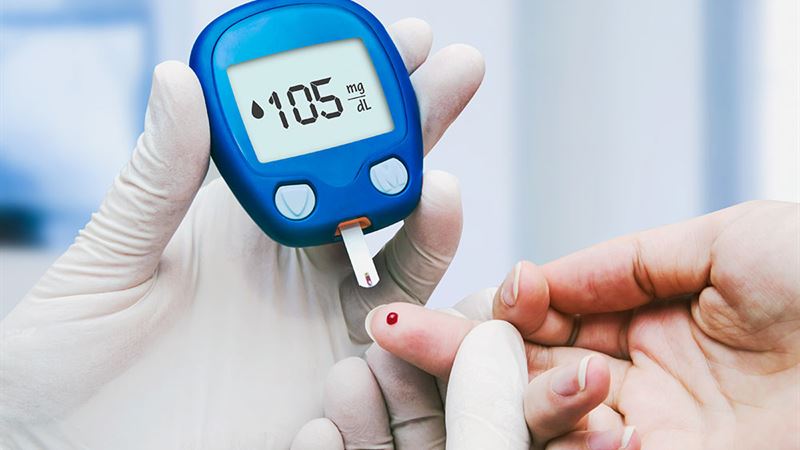
Accounting for approximately 90% of all diabetes cases, type 2 diabetes is predominantly diagnosed in adults. It occurs when the body becomes resistant to insulin or when the pancreas does not produce enough insulin to maintain normal blood sugar levels. While lifestyle modifications such as a balanced diet and regular physical activity can often manage the condition, some individuals may require medications or insulin therapy as the disease progresses. Recognizing early signs and managing risk factors is crucial for prevention and control.
This condition appears during pregnancy when blood glucose levels become elevated. It can pose health risks for both mother and baby, including preterm birth, high birth weight, and development of future health issues. Typically, gestational diabetes resolves postpartum; however, women who experience it are at higher risk of developing type 2 diabetes later in life. Proper prenatal care and blood sugar monitoring are essential to mitigate risks.
How Diabetes Is Diagnosed
Detecting diabetes involves specific medical tests that assess blood sugar levels and insulin function. Early diagnosis is vital for effective management and to prevent complications. Common diagnostic tools include:
- Glycated Hemoglobin (A1C) Test
This blood test measures the average blood sugar levels over the past two to three months. An A1C level of 6.5% or higher is indicative of diabetes. This test provides a comprehensive view of blood sugar control over time. Regular A1C testing helps monitor disease progression and guides treatment decisions. - Random Blood Sugar Test
A blood sample is taken at any time without fasting. A blood sugar level exceeding 200 mg/dL suggests diabetes, especially if accompanied by symptoms such as frequent urination, extreme thirst, and unexplained weight loss. - Oral Glucose Tolerance Test (OGTT)
After an overnight fast, the patient consumes a sugary drink, and blood samples are taken at intervals to measure how effectively the body processes glucose. Elevated readings indicate impaired glucose tolerance or diabetes.
For diagnosing gestational diabetes, specific screening tests like the glucose challenge test and follow-up oral glucose tolerance test are employed during pregnancy. Early detection allows timely intervention to protect maternal and fetal health.
Strategies for Preventing Diabetes
While type 2 diabetes is a widespread health concern, it is largely preventable through lifestyle choices. Implementing these strategies can significantly reduce the risk:
- Dietary Management
Reducing intake of refined carbohydrates and added sugars is fundamental. Emphasizing whole grains, vegetables, fruits, lean proteins, and healthy fats supports stable blood sugar levels and enhances overall health. Avoid processed foods high in trans fats and preservatives that contribute to insulin resistance. - Regular Physical Activity
Engaging in at least 150 minutes of moderate exercise weekly, such as brisk walking, cycling, or swimming, improves insulin sensitivity and helps regulate blood glucose. Incorporating resistance training enhances muscle mass, further aiding in blood sugar control. - Hydration and Water Intake
Choosing water as the primary beverage supports metabolic health. Proper hydration helps maintain balanced insulin levels and prevents dehydration-induced blood sugar spikes. Limit sugary drinks, sodas, and sweetened beverages. - Weight Management
Achieving and maintaining a healthy weight significantly lowers the risk of developing type 2 diabetes. Even modest weight loss can improve insulin response. Prioritize healthy eating and physical activity to reach your target weight. - Quit Smoking
Smoking exacerbates insulin resistance and increases the likelihood of diabetes complications. Quitting smoking improves overall cardiovascular and metabolic health. - Limit Processed and Fast Foods
Processed foods laden with additives, preservatives, and unhealthy fats are linked to increased blood sugar levels and insulin resistance. Choose whole, unprocessed foods whenever possible.
Understanding the multifaceted nature of diabetes and adopting a proactive approach can greatly diminish one's risk. With commitment to a healthier lifestyle—balanced diet, consistent exercise, and avoiding harmful habits—individuals can effectively prevent or delay the onset of this chronic condition.