This comprehensive article provides an in-depth look into payday loans and cash advances, discussing how they work, associated risks, legal considerations, debt management strategies, and tips for responsible borrowing. It aims to empower readers with knowledge to make informed financial decisions, avoid debt cycles, and explore safer alternatives for emergency funding, ultimately promoting better financial health and stability.
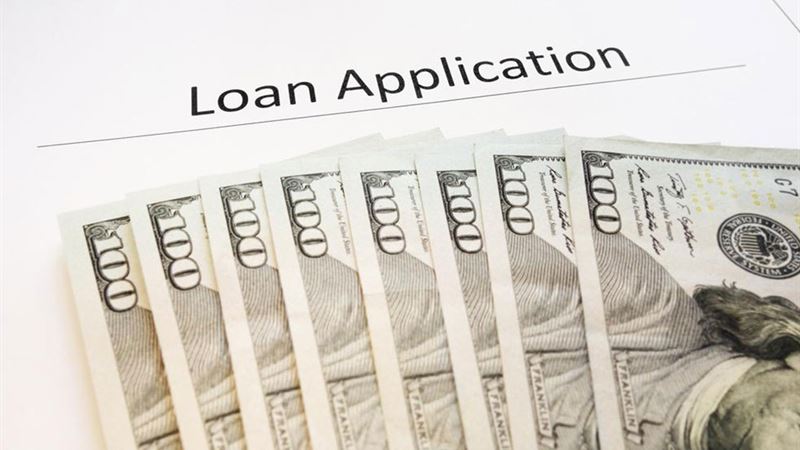
In today's financial landscape, payday loans and cash advances have become a popular option for individuals facing urgent monetary needs. While these short-term loans can provide quick cash, they come with significant risks and considerations that borrowers should understand thoroughly before opting in. This detailed guide aims to demystify the process, highlight best practices, and give you a comprehensive overview of what to expect, how to manage your debt responsibly, and how to avoid potential pitfalls associated with payday lending.
Understanding Payday Loans and Cash Advances
Payday loans and cash advances are designed as quick financial solutions for emergencies, often due within a short period, typically around your next paycheck. These loans are usually offered by specialized lenders, both online and in physical storefronts. They are characterized by minimal qualification requirements, making them accessible to a wide range of borrowers, including those with poor credit history. However, their convenience often masks high interest rates and fees, which can make repayment challenging.
Most payday lenders require borrowers to provide proof of income, a bank account, and identification. The loan amounts are generally small, ranging from a few hundred to a thousand dollars. Borrowers typically repay the loan with their next paycheck. Failure to repay on time can lead to rollovers or extensions, which often accrue additional fees. The short-term nature and high costs make payday loans a controversial financial product, often criticized for trapping borrowers in cyclical debt.
The Risks and Costs Involved
One of the primary concerns associated with payday loans is the astronomical annual percentage rates (APRs), which can soar into the triple or even quadruple digits. This makes borrowing expensive and difficult to pay back within a single pay cycle. Additionally, frequent renewal or rollover of loans can lead to spiraling debt, making it hard for borrowers to escape financial burdens. Many consumers fall into a trap where they have to take out new loans to pay off previous ones, resulting in a cycle that's hard to break.
Legal and Regulatory Aspects
The payday lending industry is subject to various regulations that vary by state and country. Laws often limit the maximum interest rates, longer repayment periods, and the number of rollovers permitted. Despite these regulations, unethical lending practices still persist, and it's essential for borrowers to understand their rights and the legal landscape to avoid predatory lending.
Strategies for Managing Payday Loan Debt
If you're caught in a payday loan cycle, there are several strategies to consider. First, communicating directly with your lender might lead to a mutually agreeable repayment plan or extension. If negotiations fail, waiting for your account to go into collections is an option, but it comes with consequences. Once a payday loan is handed over to a collection agency, your credit score could suffer significantly. Managing debt through professional services such as debt settlement companies or credit counseling agencies can help you negotiate better payment terms or develop a plan to pay off your debts responsibly.
Dealing with Collections and Debt Resolution
When a payday loan enters collection, it can result in persistent phone calls, letters, and even legal actions. You may consider consulting a debt management or credit counseling agency to help negotiate with collection agencies, potentially reducing the debt owed or arranging affordable payment plans. Filing for bankruptcy remains an option, but it should be considered only after exploring other debt relief avenues, as it could have long-term impacts on your creditworthiness and financial future.
Preventive Measures and Responsible Borrowing
The best strategy is to avoid payday loans altogether. Before considering such options, evaluate your financial situation carefully. Explore alternatives like personal loans from traditional banks, credit unions, or community assistance programs. Building an emergency fund can also help cushion unexpected expenses and reduce the reliance on high-interest borrowing. Remember, understanding the full scope of borrowing costs, assessing your repayment ability, and planning ahead are vital steps toward financial health.
- Payday loans offer quick cash but come with extremely high interest rates and fees.
- Repayment terms are short, often leading to debt rollover or renewal cycles.
- Failing to repay payday loans can negatively impact your credit score and lead to collection actions.
- Negotiating with lenders or seeking professional debt advice can help manage repayments.
- Avoid payday loans when possible; explore alternative financial options and build savings for emergencies.
In conclusion, while payday loans may seem like a swift fix for urgent financial needs, they entail significant risks that can threaten your financial stability. Being well-informed, understanding your rights, and exploring all available options can help you make responsible decisions, avoid debt traps, and maintain good financial health. Always weigh the costs and benefits carefully before committing to any short-term loan, and consider seeking advice from financial professionals if you're unsure about your options.
