
Understanding and Managing Irritable Bowel Syndrome: Comprehensive Insights
Discover comprehensive insights into Irritable Bowel Syndrome (IBS), including its causes, symptoms, and effective management strategies. Learn how abnormal gut muscle activity, dietary triggers, and stress influence IBS. Explore dietary modifications, psychological therapies, and lifestyle changes that can help alleviate symptoms and improve quality of life. Whether you experience occasional discomfort or chronic symptoms, this detailed guide provides practical advice on managing IBS effectively and living healthier every day.
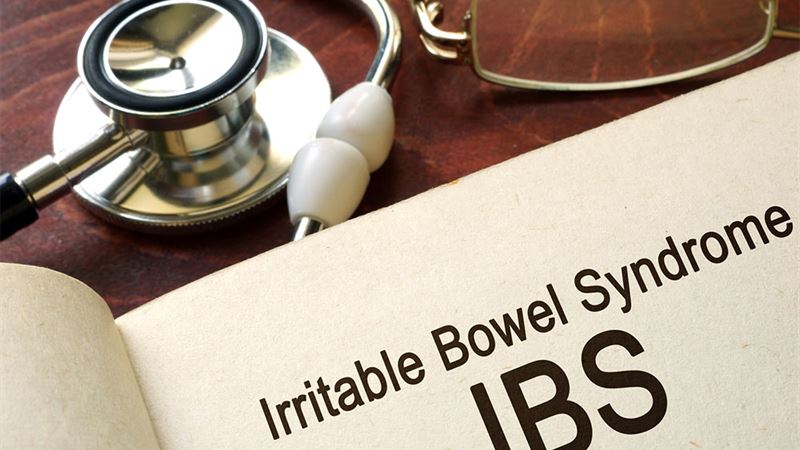
Many individuals experience disruptions in their digestive system that significantly impact their quality of life. Irritable Bowel Syndrome (IBS) is a common gastrointestinal disorder characterized by abnormal muscle activity within the intestines. This condition affects millions worldwide, leading to symptoms such as abdominal pain, bloating, diarrhea, and constipation. Despite its prevalence, the precise causes of IBS remain elusive, making diagnosis and treatment challenging. Understanding the mechanisms behind IBS, recognizing its symptoms, and exploring effective management strategies can help individuals lead healthier lives.
IBS primarily involves irregularities in the function of the muscles lining the gastrointestinal tract. Normally, this muscular layer contracts and relaxes in a synchronized manner to propel food, liquids, and waste efficiently through the digestive system. However, in people with IBS, these muscles may behave abnormally—either contracting too quickly, too slowly, or with excessive force. These abnormal movements can interfere with the normal absorption of water and nutrients, leading to distinct symptoms such as diarrhea or constipation. Additionally, sudden and intense muscle contractions can trigger severe abdominal pain and produce excessive gas, resulting in bloating and discomfort.
The exact origin of IBS remains uncertain. Multiple theories suggest that disruptions in the communication pathways between the brain and gut might play a key role. This bidirectional signaling system, known as the gut-brain axis, regulates gastrointestinal activity, mood, and sensation. When this communication is compromised, it can cause the gut muscles to malfunction. Several factors are believed to contribute to the development of IBS, including alterations in the gut microbiota, heightened visceral sensitivity, hormonal influences, and psychological stressors.
Potential Underlying Factors of IBS
- Neural Dysregulation: Abnormal nerve signals sent between the brain and gastrointestinal tract can cause heightened sensitivity and abnormal muscle responses, leading to symptoms.
- Infections and Gastroenteritis: Bacterial or viral infections causing intestinal inflammation can trigger persistent symptoms even after the infection resolves.
- Psychological Factors: Stress, anxiety, and depression have a significant impact on gastrointestinal health, potentially exacerbating IBS symptoms.
- Neurotransmitter and Hormonal Imbalances: Variations in chemicals such as serotonin and reproductive hormones can influence gut motility and sensation, worsening symptoms.
- Altered Gut Microbiome: Differences in the composition of gut bacteria—colloquially called microbiota—may contribute to symptom development. Notably, individuals with IBS often harbor a different microbial balance compared to healthy populations.
Many individuals with IBS find that certain foods and beverages can act as triggers, aggravating symptoms and compound discomfort. These triggers vary from person to person but commonly include high-fat foods, artificial sweeteners, and processed items. Recognizing and avoiding food triggers is an essential aspect of managing IBS effectively.
Diagnosing and Managing IBS
- Comprehensive Medical Evaluation: Diagnosis typically involves ruling out other gastrointestinal conditions through physical exams, stool tests, and endoscopic procedures.
- Symptom Monitoring: Keeping a journal of food intake and symptom episodes can help identify specific triggers and patterns.
- Dietary Modifications: Altering eating habits and avoiding known triggers can significantly reduce symptom frequency and severity.
- Medications: Depending on the dominant symptoms—diarrhea, constipation, or pain—physicians may prescribe antispasmodics, laxatives, antidiarrheal agents, or antidepressants.
- Psychological Therapies: When stress or mental health issues contribute to symptoms, therapies like cognitive-behavioral therapy (CBT), hypnotherapy, and biofeedback can be beneficial.
Dietary Strategies for IBS Relief
- Limit Dairy Products: Dairy contains fats and lactose that can exacerbate symptoms. Switching to lactase supplements or dairy alternatives such as almond milk, soy milk, or coconut yogurt can provide relief.
- Reduce Intake of Legumes and Pulses: Beans, lentils, and peas are rich in fiber but can increase gas and bloating due to oligosaccharides. Soaking and thoroughly cooking these foods may reduce their impact.
- Eat Cooked Vegetables: Raw cruciferous vegetables like broccoli, cauliflower, and Brussels sprouts are difficult to digest. Cooking these foods soften their fibers, making them more tolerable.
- Limit Caffeine and Stimulating Beverages: Coffee, tea, energy drinks, and sodas contain caffeine that stimulates gut activity and can trigger diarrhea or discomfort. Opt for herbal teas or decaffeinated options instead.
- Stay Hydrated and Practice Regular Eating Patterns: Drinking enough water daily and maintaining consistent meal times support digestive regularity and reduce flare-ups.
Exploring Alternative and Complementary Therapies
- Cognitive Behavioral Therapy (CBT): Addresses negative thought patterns that may perpetuate stress-related symptoms, helping to modulate gut responses.
- Hypnotherapy: A relaxation technique targeting gut-brain axis disturbances, proven to reduce IBS symptoms significantly.
- Biofeedback: Teaches control over physiological functions, assisting in managing pain and gastrointestinal motility issues.
- Lifestyle Adjustments: Prioritize adequate sleep, regular physical activity, and stress management techniques like meditation, yoga, or mindfulness to minimize symptom outbreaks.
Although IBS is a chronic disorder without a definitive cure, various management strategies can help control symptoms and improve daily functioning. Recognizing individual triggers, adopting a personalized diet, and integrating mental health strategies are cornerstones of effective management. Consulting healthcare professionals for a tailored plan ensures the best approach tailored to each person's unique condition.