
Comprehensive Overview of the Hyundai Tucson: Features, Pricing, and Performance
The Hyundai Tucson stands out in the compact SUV market with its spacious interior, advanced safety features, efficient hybrid engine, and customizable options. From comfort and entertainment to performance and safety, this comprehensive review provides valuable insights for prospective buyers seeking a reliable yet sophisticated vehicle. Explore variants, pricing, and technological innovations that make the Tucson a versatile and attractive choice for modern drivers.
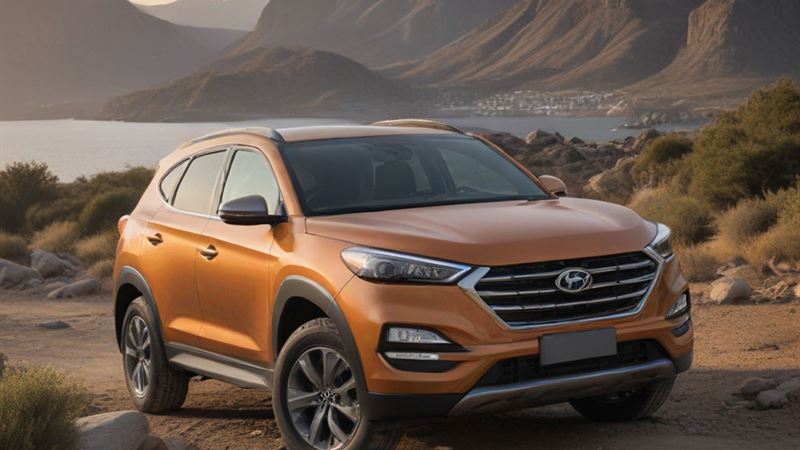
The Hyundai Tucson is a compact SUV renowned for its thoughtful design, advanced features, and versatile performance. From its spacious and comfortable interior to cutting-edge safety technology, the Tucson offers a compelling package for drivers seeking reliability combined with modern convenience. This detailed review explores every aspect of the vehicle—from cabin comfort and entertainment options to engine performance, safety features, and pricing, providing prospective buyers with all the information needed to make an informed decision about this popular model.
Starting with its cabin environment, the Hyundai Tucson prioritizes occupant comfort. The interior exudes a calm and welcoming atmosphere, carefully crafted to ensure a relaxed driving experience. The placement of controls at eye level simplifies operation, allowing drivers and passengers to access essential features easily, even with seat belts fastened. The seats are designed with ample bolstering to provide excellent support during long drives, and they offer generous head, shoulder, knee, and legroom for all occupants. The degree of adjustability allows drivers to personalize their seating positions for maximum comfort, which is essential for both daily commutes and extended journeys.
Entertainment and technological convenience are prominent features of the Hyundai Tucson. It boasts a high-resolution 12.3-inch touchscreen infotainment system that serves as the command hub for media, navigation, and connectivity. Compatible with Android Auto and Apple CarPlay, this system ensures that drivers can seamlessly integrate their smartphones for calls, music, and apps. Wireless charging pads eliminate the need for cable clutter, while Bluetooth connectivity supports hands-free calls and media playback. The vehicle offers three distinct driving modes—Sport, Normal, and Eco—that personalize the driving experience according to the driver’s preferences or road conditions.
Beyond entertainment, the Tucson is equipped with practical features such as parking sensors and a 360-degree surround view camera, aiding in maneuvering in tight spaces. Exterior features include LED headlights that provide bright illumination while maintaining energy efficiency. Heated and power-adjustable side mirrors ensure better visibility in adverse weather. The active tire pressure monitoring system keeps drivers informed of any pressure deviations to enhance safety and optimize fuel efficiency. The premium models add further luxury amenities like a panoramic glass sunroof, active parking collision avoidance, and a premium 8-speaker Bose sound system with an amplifier for audiophile-quality sound. These features elevate the driving experience and cater to those who seek a more upscale feel from their vehicle.
Variants such as the Premium and N-Line trim levels offer additional enhancements. These models are priced higher but come with larger 19-inch alloy wheels that improve aesthetics and handling. Advanced safety features, including blind-spot monitoring, rear cross-traffic alert, and a driver attention warning system, are standard or optional on these trims. The N-Line version, in particular, features sportier styling cues like N-Line badging, a custom steering wheel, and brushed silver skid plates, giving it a more aggressive look and feel. Optional features like ventilated and cooled front seats and a larger panoramic sunroof add to the luxury and comfort offerings of these high-end trims.
Potential buyers should be aware that customizing their Tucson with additional design elements or optional features will influence the overall cost. For example, choosing the N-Line package or adding aesthetic upgrades such as badging and specialized trim details increases the vehicle’s price. It's advisable to weigh the added costs against the benefits of these enhancements to ensure a well-balanced decision that aligns with the buyer’s preferences and budget.
Safety remains a cornerstone of the Hyundai Tucson's appeal. The vehicle comes equipped with essential safety features like anti-lock braking system (ABS), electronic brake-force distribution (EBD), hill descent control, traction control, and multiple airbags, providing a solid foundation of safety. For more advanced protection, higher trims add features such as blind-spot monitoring, adaptive cruise control, and lane-keep assist. The Hyundai SmartSense suite further enhances safety with tools like rear cross-traffic alert, forward-collision avoidance, driver fatigue monitoring, and a comprehensive 360-degree parking camera system. These systems work proactively to prevent accidents and react swiftly if collisions are imminent, safeguarding both occupants and pedestrians.
Driver assistance features not only prevent accidents but also aid in mitigating their severity. For example, lane-keeping assist ensures the vehicle remains within its lane, while adaptive cruise control maintains a safe distance from the vehicle ahead, reducing driver fatigue during long highway drives. The rear cross-traffic alert helps alert drivers to approaching vehicles when reversing, making parking safer and easier. In summary, Hyundai's safety suite integrates multiple proactive and reactive technologies to create a secure driving environment.
The 2024 Hyundai Tucson is powered by a hybrid powertrain system combining a petrol engine with an electric motor. This setup produces approximately 172 kW of power and 367 Nm of torque, providing sufficient performance for city and highway driving. Although slightly less powerful than some previous models, the system offers smooth transitions between petrol and electric modes, thanks to its sophisticated 6-speed automatic transmission. This transmission ensures seamless gear changes, contributing to a refined driving experience.
Driving modes play a significant role in shaping the Tucson’s performance. Eco mode emphasizes fuel efficiency and environmentally friendly driving, while Sport mode enhances responsiveness and acceleration for more spirited driving. Normal mode offers a balanced approach suitable for everyday driving. The vehicle is equipped with a sizable 52-liter fuel tank, giving it an impressive range of around 600 kilometers per tank, depending on driving conditions. Fuel consumption averages between approximately 5.8 liters and 7.8 liters per 100 kilometers, making it an economical choice for daily commuting and long-distance travel.
Handling and ride quality are noteworthy aspects of the Hyundai Tucson. While it performs admirably in urban environments and on open highways, it is also capable of handling winding roads with agility. The vehicle’s chassis provides stability at higher speeds, and its noise insulation ensures a quiet cabin experience, even on rougher roads. Although not designed for extreme off-road adventures, the Tucson offers a composed and predictable ride in most typical driving scenarios, making it an excellent all-rounder for various driving conditions.
The pricing structure for the 2024 Hyundai Tucson varies depending on the selected configuration. The base model, featuring four-wheel drive, starts at an accessible price point of approximately $35,650. Higher-end models, such as the Premium N Line Hybrid with all-wheel drive, are priced around $61,100. It is important to remember that these prices are indicative and can fluctuate based on optional features, dealer charges, and location. Additional costs include taxes, registration fees, and sometimes optional packages or accessories, which should be factored into the final budget.
Considering its comprehensive feature set, safety technology, and performance capabilities, the Hyundai Tucson represents a valuable investment in the compact SUV segment. Buyers are advised to compare different trims and packages carefully, considering their specific needs and preferences. Beyond the initial purchase price, prospective owners should also account for maintenance, insurance, and potential upgrades to ensure long-term satisfaction with their vehicle.