
Comprehensive Guide to Buying Air Compressors in Mexico: Key Factors You Must Consider
This comprehensive guide explores crucial factors for selecting the perfect air compressor in Mexico, considering power sources, types, specifications, reliability, maintenance, energy efficiency, costs, and legal requirements. It aims to help businesses make smart investments that enhance operational efficiency, reduce costs, and ensure compliance with local standards. By understanding these aspects in depth, users can confidently choose the most suitable compressor tailored to their unique needs, ensuring long-term performance and durability in Mexico's market.
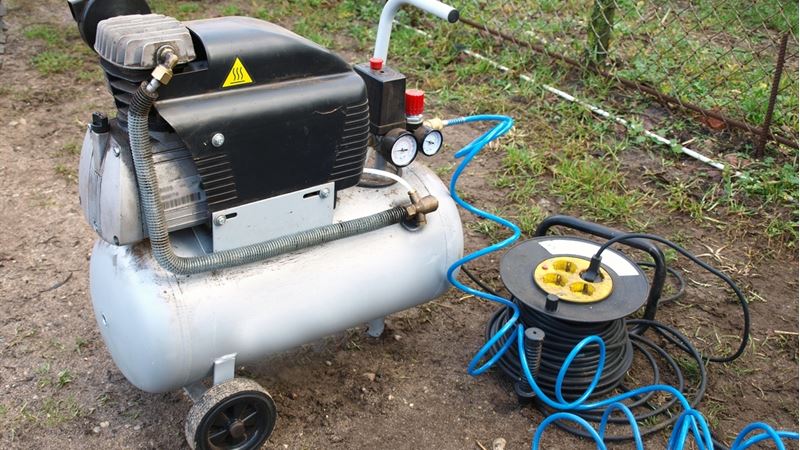
Embarking on the journey to select the ideal air compressor for your needs in Mexico requires careful consideration of numerous factors. Whether you operate a small workshop, an industrial plant, or a construction site, choosing the right compressor can significantly impact efficiency, operational costs, and productivity. Mexico's unique energy landscape, local regulations, and market offerings make it essential to understand the critical elements involved in making an informed purchase decision. This expanded guide delves deep into each factor, from technical specifications and types of compressors to cost, maintenance, energy efficiency, and legal compliance, ensuring you have a comprehensive understanding before investing.
In the dynamic industrial and commercial sectors of Mexico, air compressors are indispensable tools. They power everything from manufacturing machinery, painting equipment, to construction tools. However, with a vast array of options available, many buyers face confusion when trying to identify which model suits their specific operational requirements best. This extensive resource aims to bridge that gap by providing detailed insights into crucial considerations, ensuring users acquire equipment that maximizes value, performance, and longevity.
Understanding Your Power Source Options in Mexico
The foundation of selecting the right air compressor begins with understanding the available power sources. Mexico's electrical infrastructure and fuel availability influence your choice significantly.
- Electric Compressors: Widely used due to ease of operation and cleaner energy, these are suitable if your facility has reliable electrical connections. Mexico's national grid primarily supplies electricity, but regional variations exist, which may impact voltage stability and power quality. Ensuring compatibility with local voltage standards (typically 110V or 220V) is crucial to prevent damage and ensure smooth operation.
- Gasoline-Powered Compressors: Ideal for remote or outdoor locations without easy access to electrical outlets. These compressors run efficiently in construction sites or workshops in rural areas where electricity infrastructure is limited. Be mindful of fuel availability, exhaust emissions, and operational noise levels.
- Diesel Compressors: Suitable for heavy-duty applications requiring high power output. Diesel models are often more durable and capable of operating continuously under demanding conditions. Their use is common in large-scale industrial operations in Mexico.
Assessing Portability Needs for Your Operations
Different work scenarios demand varying degrees of mobility. Carefully evaluate whether your operation requires stationary or portable air compressors.
- Stationary Compressors: Best suited for fixed locations like workshops or factories. They tend to be larger, heavier, and often more powerful, providing consistent airflow for long periods without the need for movement.
- Portable Compressors: Compact and lightweight, ideal for construction sites, maintenance tasks, or jobs requiring frequent relocation. Portability enhances operational flexibility, especially in dynamic work environments.
Deep Dive into Compressor Types
Choosing the right type of compressor depends on your specific application requirements, workload, and budget. Here are the primary options available in Mexico:
- Reciprocating (Piston) Compressors: The most common type, known for affordability and simplicity. They operate via pistons moving within cylinders, compressing air through reciprocating motion. Suitable for small to medium workloads, with single-stage or multi-stage configurations for higher pressure demands.
- Rotary Screw Compressors: Known for durability and efficiency, these compressors use two meshing helical screws to compress air continuously. They are ideal for industrial applications requiring consistent airflow and prolonged operation.
- Centrifugal Compressors: Designed for high-capacity needs, these are primarily used in large-scale industrial settings. They operate via high-speed impellers, providing massive volumes of compressed air. They are complex, costly, but extremely efficient for large operations.
Key Technical Specifications to Consider
Selecting a compressor that meets your operational demands involves analyzing specific technical parameters:
- CFM (Cubic Feet per Minute): Indicates the volume of air delivered per minute. Ensure the compressor provides at least the required CFM for your tools and processes to prevent undersupply and inefficiency.
- PSI (Pounds per Square Inch): Represents the maximum pressure the compressor can generate. For heavy-duty tasks, opt for models that offer higher PSI ratings to match your operational needs.
- Tank Volume: The size of the air tank affects how long your tools can operate continuously without the compressor cycling on and off. Larger tanks are beneficial in applications demanding longer periods of intermittent use.
Prioritizing Reliability and Durability in Your Purchase
Given their significant investment nature, air compressors should be chosen based on their reliability and build quality to minimize downtime and maintenance costs. Consider:
- Brand Reputation: Select brands known for quality manufacturing and exceptional after-sales services. International and local brands with established presence in Mexico generally offer better support and service networks.
- Warranty Terms: A comprehensive warranty signifies confidence in product durability. Review what is covered, including parts, labor, and service duration.
- Construction Material: High-quality, corrosion-resistant materials extend the lifespan of the compressor, especially in environments with high humidity or dust.
Importance of Maintenance and Spare Parts Accessibility
Efficient maintenance and availability of spare parts are vital for uninterrupted operation:
- Maintenance Routine: Some compressors require regular oil changes, filter replacements, and inspections. Choose models that align with your capacity to perform routine upkeep or have reliable service providers.
- Spare Parts Availability: Opt for brands with an extensive network of authorized service centers in Mexico. Easy access to spare parts reduces downtime and repair costs.
Focusing on Energy Efficiency for Cost Savings
In Mexico’s energy landscape, energy-efficient compressors can lead to significant cost savings, especially with extensive or continuous use. Key factors include:
- Efficiency Ratings: Look for models with high energy efficiency ratings to reduce operational costs over time. Although these may have higher upfront costs, they amortize savings in the long run.
- Variable Speed Drives (VSD): Equipment equipped with VSD technology adjusts motor speed according to actual demand, providing optimized energy consumption and reducing waste.
Cost Analysis Beyond the Purchase Price
Effective budgeting involves understanding the total cost of ownership, not just the initial purchase price:
- Upfront Investment: While cheaper models may seem attractive initially, they could incur higher maintenance and energy costs over their lifespan.
- Operational Expenses: Consider ongoing costs such as fuel, electricity, maintenance, and repairs when evaluating affordability.
- Leasing vs. Buying: For short-term projects or limited budgets, leasing may offer flexibility without large capital outlay, but compare long-term costs carefully.
Adhering to Local Laws and Regulations
Compliance with Mexican regulations ensures legal operation and safety:
- Certifications: Ensure the compressor meets Mexican standards, including safety, environmental, and quality certifications. Check for compliance marks like NOM or other relevant approvals.
- Import Duties and Taxes: When sourcing compressors internationally, be aware of import taxes, tariffs, and customs procedures to avoid unexpected costs.
To achieve optimal performance from your air compressor in Mexico, consider every aspect from technical features and reliability to legal compliance and cost efficiency. Conduct thorough research, consult with local suppliers, and prioritize your specific operational needs to make a sound investment that boosts productivity and minimizes operational challenges. Smart purchasing decisions today will lead to enhanced efficiency, lower costs, and reliable performance long into the future.