
Effective Strategies for Managing Fatty Liver with a Ketogenic Lifestyle
Discover comprehensive methods to utilize a ketogenic lifestyle for tackling fatty liver disease. This detailed guide covers essential research, meal planning, carbohydrate tracking, and incorporating low-carb vegetables to support liver health. Learn how to successfully implement and sustain a ketogenic diet for lasting metabolic benefits and improved liver function.
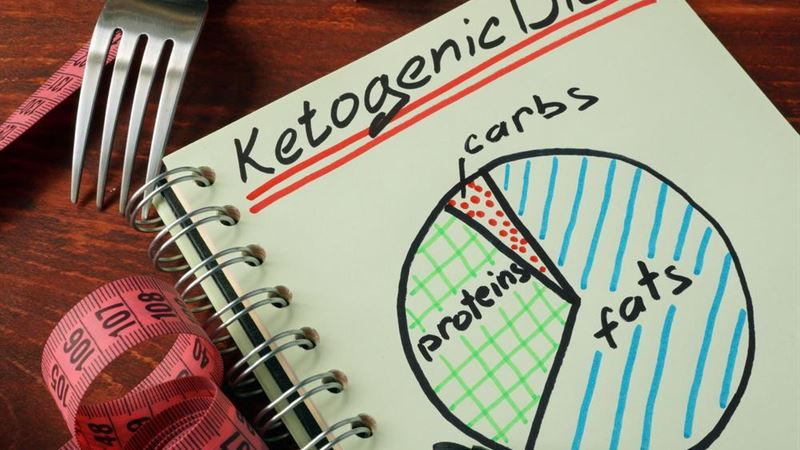
Research and preparation are essential before starting a ketogenic diet. Understanding the scientific principles behind ketosis, how fats fuel your body, and the impact on liver health will help you adhere and achieve desired outcomes. Access comprehensive resources such as books or credible online guides that explain the mechanics of a ketogenic approach, emphasizing its metabolic benefits and addressing common misconceptions.
Accurate tracking of carbohydrate consumption is crucial for success. Use carb counting tools or guides that identify the carbohydrate content of various foods. This process ensures you stay within the optimal carb limits required to induce and maintain ketosis, which is vital for liver fat reduction and overall metabolic health.
Pay special attention to food labels when purchasing processed or packaged foods. Serving sizes are critical in calculating total carbohydrate intake. For example, a product may state 15 grams of carbs per serving. If you consume two servings, your total intake doubles to 30 grams—potentially jeopardizing ketosis. Always verify serving sizes and carb counts for accurate tracking.
Incorporate a variety of low-carb vegetables that are naturally supportive of liver health. Favorites include bell peppers, broccoli, cucumbers, cabbage, cauliflower, sprouts, and summer squash. Leafy greens like spinach and kale are nutrient-dense superfoods that align well with a ketogenic diet, aiding in detoxification and liver repair.
Flavor enhancement is integral to a sustainable ketogenic diet. Use onion and garlic to add depth to your meals, both of which are permissible in moderation and beneficial for their anti-inflammatory and antioxidant properties. Remember, a ketogenic diet isn’t about consuming exotic or specialized foods—most healthful, whole foods are available affordably and in their natural form.