
In-Depth Comparison: iPhone 7 Plus and Samsung Galaxy S7 Edge – Which One Reigns Supreme?
This extensive comparison highlights the key differences and similarities between the iPhone 7 Plus and Samsung Galaxy S7 Edge. Covering aspects from hardware and camera to display and durability, it helps users make well-informed decisions based on their preferences and needs. Both devices offer premium features, but distinct advantages appeal to different types of users. Whether you prioritize camera quality, storage options, or design, this guide provides a thorough overview to help you choose the smartphone that best fits your lifestyle and budget.
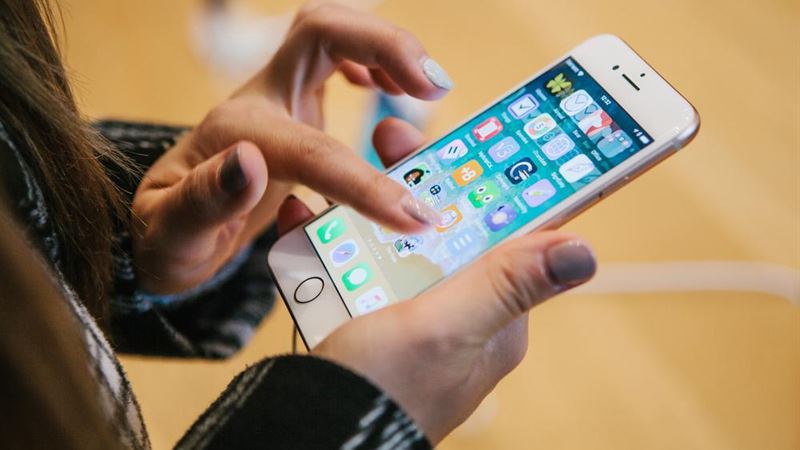
Choosing the perfect smartphone can be a daunting task given the multitude of features and specifications available today. Among the popular options are the iPhone 7 Plus and Samsung Galaxy S7 Edge, both of which have garnered significant attention for their advanced features and performances. This comprehensive review aims to provide a detailed comparison of these two flagship devices, delving into their hardware, software, camera capabilities, battery life, display qualities, and more to help consumers make an informed decision.
Before diving into specifics, it’s essential to understand the operating systems. The iPhone 7 Plus runs on iOS 11.2, known for its smooth user experience, optimized performance, and regular updates. It is powered by a quad-core A10 Fusion chipset, which ensures speedy performance and efficient multitasking. On the other hand, the Samsung Galaxy S7 Edge operates on Android 6.0 Marshmallow, equipped with an octa-core Exynos or Snapdragon processor depending on the region. This device is celebrated for its flexibility, customizability, and a rich ecosystem of apps.
Internal Storage and RAM
Storage options are a critical consideration. The iPhone 7 Plus offers a hefty 128 GB internal storage capacity paired with 3 GB of RAM, enabling smooth app performance and ample space for media. Contrastingly, the Galaxy S7 Edge provides 32 GB internal storage but compensates with a higher 4 GB RAM, which enhances multitasking capabilities. Notably, the Galaxy S7 Edge’s storage can be expanded up to 200 GB via microSD card, giving users additional flexibility.
SIM Card Support
The iPhone 7 Plus features a single nano SIM slot, ideal for users who prefer a straightforward setup. Meanwhile, the Galaxy S7 Edge offers dual nano SIM slots, making it a suitable choice for those who need to manage two phone numbers simultaneously or prefer different carriers.
Camera Quality and Video Recording
Both phones are equipped with impressive camera systems designed to cater to photography enthusiasts and casual users alike. The iPhone 7 Plus boasts a dual 12 MP primary camera setup. One lens features an aperture of f/1.8 with a wide-angle view, ideal for capturing detailed images in various lighting conditions. The second is a telephoto lens with an f/2.8 aperture, offering 2x optical zoom. The front-facing camera is 7 MP, complemented by Retina Flash, ensuring bright selfies.
Users can record high-definition videos at 1080p resolution, with the added ability to shoot in 4K at 30 fps for enhanced clarity. The stability during video recording is supported by optical image stabilization (OIS).
On the flip side, the Galaxy S7 Edge’s primary camera is also a 12 MP sensor with phase detection autofocus, OIS, and LED flash, ensuring sharp images even in low-light situations. Its secondary camera offers 5 MP with Auto HDR and dual video call support. This device excels in video recording, providing options at 2160p (4K) at 30 fps, 1080p at 60 fps, and even 720p at 240 fps for slow-motion effects. Moreover, HDR support enhances color fidelity and brightness in videos and images.
Battery Performance
The battery capacity plays a pivotal role in daily usability. The iPhone 7 Plus is equipped with a 2900 mAh non-removable Li-ion battery, providing approximately 21 hours of talk time on a full charge. In comparison, the Galaxy S7 Edge features a larger 3300 mAh battery, expected to last around 27 hours under normal usage conditions. Both devices support fast charging and wireless charging, adding convenience to daily charging routines.
Display Attributes
The display quality can significantly influence user satisfaction. The iPhone 7 Plus has a 5.5-inch ion-strengthened glass IPS LCD with a resolution of 1920×1080 pixels, resulting in a pixel density of 401 PPI. Its True Tone technology provides natural viewing experiences, and the capacitive 3D Touch enhances interaction with notifications and shortcuts.
The Galaxy S7 Edge features a stunning 5.5-inch Super AMOLED capacitive touchscreen covered with Gorilla Glass 4. Its higher resolution of 1440×2560 pixels yields a remarkable pixel density of 534 PPI, delivering crisp and vibrant visuals. The curved edges of the display provide an immersive viewing experience, and features like Always-On Display add to its appeal.
Design and Build
In terms of dimensions and weight, the iPhone 7 Plus measures 158.2 x 77.9 x 7.3 mm, weighing approximately 188 grams. Its build includes a metal body with a sleek finish, available in colors like black, gold, silver, rose gold, and jet black.
The Galaxy S7 Edge, slightly more compact, measures 150.9 x 72.6 x 7.7 mm and weighs around 157 grams. Its curved edges are not only aesthetically pleasing but also ergonomic. It comes in colors such as black, gold, and silver.
Sensors and Security
Both smartphones incorporate standard sensors including fingerprint scanners—integrated for quick unlocking—accelerometers, gyroscopes, proximity sensors, and ambient light sensors. These features enhance user convenience and device security.
Connectivity and Network Support
Connectivity options are robust in both devices. They support Wi-Fi standards 802.11 a/b/g/n/ac dual-band, enabling fast wireless internet access. Hotspot functionality allows sharing internet connectivity with other devices.
Bluetooth 4.2 is standard, facilitating fast data transfer. The iPhone 7 Plus uses USB 2.0, while the Galaxy S7 Edge employs micro USB 2.0 for wired connectivity. Both support cellular standards such as GSM, CDMA, HSPA, LTE, and VoLTE, ensuring compatibility worldwide.
Protection and Durability
The iPhone 7 Plus boasts an IP67 certification, making it dust and water-resistant up to 1 meter for 30 minutes. On the other hand, the Galaxy S7 Edge has an IP68 certification, allowing it to withstand water immersion up to 1.5 meters for 30 minutes, making it more resilient in adverse environments.
Color and Aesthetic Options
Variety in color choices allows users to personalize their devices. The iPhone 7 Plus is available in black, gold, silver, rose gold, and jet black, catering to diverse tastes. The Galaxy S7 Edge offers black, gold, and silver options.
Network Compatibility and Features
Both phones operate on multi-network technology, including GSM, CDMA, HSPA, EVDO, and LTE. The iPhone 7 Plus also supports VoLTE, allowing high-definition voice calls over LTE networks. This feature enhances call quality and reduces connection issues.
**Final Thoughts**
Both the iPhone 7 Plus and Samsung Galaxy S7 Edge are formidable smartphones with excellent specifications tailored to different user preferences. The choice often depends on factors such as operating system preference, storage needs, camera priorities, and budget. The iPhone 7 Plus offers seamless integration within the Apple ecosystem, ideal for users already invested in Apple products. The Galaxy S7 Edge, with its expandable storage and customizable features, appeals to those seeking flexibility. To purchase, consumers can visit retail outlets or explore online stores for the latest deals.
Before diving into specifics, it’s essential to understand the operating systems. The iPhone 7 Plus runs on iOS 11.2, known for its smooth user experience, optimized performance, and regular updates. It is powered by a quad-core A10 Fusion chipset, which ensures speedy performance and efficient multitasking. On the other hand, the Samsung Galaxy S7 Edge operates on Android 6.0 Marshmallow, equipped with an octa-core Exynos or Snapdragon processor depending on the region. This device is celebrated for its flexibility, customizability, and a rich ecosystem of apps.
Internal Storage and RAM
Storage options are a critical consideration. The iPhone 7 Plus offers a hefty 128 GB internal storage capacity paired with 3 GB of RAM, enabling smooth app performance and ample space for media. Contrastingly, the Galaxy S7 Edge provides 32 GB internal storage but compensates with a higher 4 GB RAM, which enhances multitasking capabilities. Notably, the Galaxy S7 Edge’s storage can be expanded up to 200 GB via microSD card, giving users additional flexibility.
SIM Card Support
The iPhone 7 Plus features a single nano SIM slot, ideal for users who prefer a straightforward setup. Meanwhile, the Galaxy S7 Edge offers dual nano SIM slots, making it a suitable choice for those who need to manage two phone numbers simultaneously or prefer different carriers.
Camera Quality and Video Recording
Both phones are equipped with impressive camera systems designed to cater to photography enthusiasts and casual users alike. The iPhone 7 Plus boasts a dual 12 MP primary camera setup. One lens features an aperture of f/1.8 with a wide-angle view, ideal for capturing detailed images in various lighting conditions. The second is a telephoto lens with an f/2.8 aperture, offering 2x optical zoom. The front-facing camera is 7 MP, complemented by Retina Flash, ensuring bright selfies.
Users can record high-definition videos at 1080p resolution, with the added ability to shoot in 4K at 30 fps for enhanced clarity. The stability during video recording is supported by optical image stabilization (OIS).
On the flip side, the Galaxy S7 Edge’s primary camera is also a 12 MP sensor with phase detection autofocus, OIS, and LED flash, ensuring sharp images even in low-light situations. Its secondary camera offers 5 MP with Auto HDR and dual video call support. This device excels in video recording, providing options at 2160p (4K) at 30 fps, 1080p at 60 fps, and even 720p at 240 fps for slow-motion effects. Moreover, HDR support enhances color fidelity and brightness in videos and images.
Battery Performance
The battery capacity plays a pivotal role in daily usability. The iPhone 7 Plus is equipped with a 2900 mAh non-removable Li-ion battery, providing approximately 21 hours of talk time on a full charge. In comparison, the Galaxy S7 Edge features a larger 3300 mAh battery, expected to last around 27 hours under normal usage conditions. Both devices support fast charging and wireless charging, adding convenience to daily charging routines.
Display Attributes
The display quality can significantly influence user satisfaction. The iPhone 7 Plus has a 5.5-inch ion-strengthened glass IPS LCD with a resolution of 1920×1080 pixels, resulting in a pixel density of 401 PPI. Its True Tone technology provides natural viewing experiences, and the capacitive 3D Touch enhances interaction with notifications and shortcuts.
The Galaxy S7 Edge features a stunning 5.5-inch Super AMOLED capacitive touchscreen covered with Gorilla Glass 4. Its higher resolution of 1440×2560 pixels yields a remarkable pixel density of 534 PPI, delivering crisp and vibrant visuals. The curved edges of the display provide an immersive viewing experience, and features like Always-On Display add to its appeal.
Design and Build
In terms of dimensions and weight, the iPhone 7 Plus measures 158.2 x 77.9 x 7.3 mm, weighing approximately 188 grams. Its build includes a metal body with a sleek finish, available in colors like black, gold, silver, rose gold, and jet black.
The Galaxy S7 Edge, slightly more compact, measures 150.9 x 72.6 x 7.7 mm and weighs around 157 grams. Its curved edges are not only aesthetically pleasing but also ergonomic. It comes in colors such as black, gold, and silver.
Sensors and Security
Both smartphones incorporate standard sensors including fingerprint scanners—integrated for quick unlocking—accelerometers, gyroscopes, proximity sensors, and ambient light sensors. These features enhance user convenience and device security.
Connectivity and Network Support
Connectivity options are robust in both devices. They support Wi-Fi standards 802.11 a/b/g/n/ac dual-band, enabling fast wireless internet access. Hotspot functionality allows sharing internet connectivity with other devices.
Bluetooth 4.2 is standard, facilitating fast data transfer. The iPhone 7 Plus uses USB 2.0, while the Galaxy S7 Edge employs micro USB 2.0 for wired connectivity. Both support cellular standards such as GSM, CDMA, HSPA, LTE, and VoLTE, ensuring compatibility worldwide.
Protection and Durability
The iPhone 7 Plus boasts an IP67 certification, making it dust and water-resistant up to 1 meter for 30 minutes. On the other hand, the Galaxy S7 Edge has an IP68 certification, allowing it to withstand water immersion up to 1.5 meters for 30 minutes, making it more resilient in adverse environments.
Color and Aesthetic Options
Variety in color choices allows users to personalize their devices. The iPhone 7 Plus is available in black, gold, silver, rose gold, and jet black, catering to diverse tastes. The Galaxy S7 Edge offers black, gold, and silver options.
Network Compatibility and Features
Both phones operate on multi-network technology, including GSM, CDMA, HSPA, EVDO, and LTE. The iPhone 7 Plus also supports VoLTE, allowing high-definition voice calls over LTE networks. This feature enhances call quality and reduces connection issues.
**Final Thoughts**
Both the iPhone 7 Plus and Samsung Galaxy S7 Edge are formidable smartphones with excellent specifications tailored to different user preferences. The choice often depends on factors such as operating system preference, storage needs, camera priorities, and budget. The iPhone 7 Plus offers seamless integration within the Apple ecosystem, ideal for users already invested in Apple products. The Galaxy S7 Edge, with its expandable storage and customizable features, appeals to those seeking flexibility. To purchase, consumers can visit retail outlets or explore online stores for the latest deals.