
Comprehensive Guide to Women's Vaccination and Its Crucial Role in Preventive Health
This comprehensive guide highlights the critical importance of women's vaccination, focusing on the HPV vaccine and its role in preventing cancers and other diseases. It emphasizes early vaccination, regular screening, safety considerations, and accessible healthcare programs. Promoting immunization awareness among women helps improve health outcomes and reduces the burden of vaccine-preventable illnesses, ultimately supporting a healthier future for women worldwide.
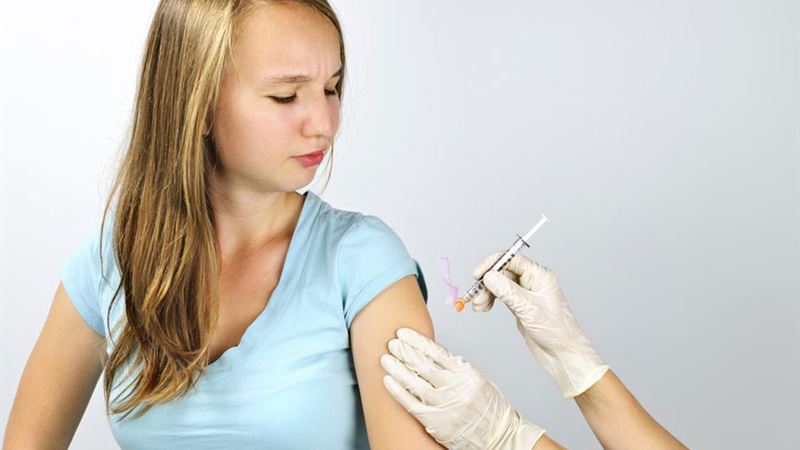
Vaccination remains a cornerstone of preventive medicine, particularly for women, as it plays an essential role in safeguarding against various infections and certain types of cancers. The administration of vaccines at key life stages helps women maintain overall health, reduce disease burden, and enhance longevity. A notable example is the Human Papillomavirus (HPV) vaccine, which has revolutionized the fight against cervical and other HPV-related cancers. Designed to protect women from potential health complications, this vaccine and others have become vital tools in modern healthcare strategies.
Understanding the importance of vaccination for women begins early in life. The HPV vaccine, in particular, is recommended during early adolescence, typically around the ages of 11 or 12, although it can be administered to girls aged 13 up to 26 who missed earlier doses. This broad age range is critical because it maximizes the opportunity for protection before exposure to the virus. The CDC (Centers for Disease Control and Prevention) has approved the safety and efficacy of the HPV vaccine, including the widely used Gardasil and Gardasil 9 formulations, demonstrating significant progress in reducing HPV infections and related cancers among women.
Vaccination schedules are carefully designed to ensure optimal immune response. For the HPV vaccine, a series of two or three doses are administered over a period of months, providing sustained immunity. It’s essential that vaccination occurs before potential exposure to the virus, which is predominantly transmitted through sexual contact. Therefore, immunization during early teenage years aligns with preventive health goals by establishing immunity prior to sexual activity.
While the HPV vaccine offers exceptional protection, it is not a comprehensive shield against all cervical cancers. Regular screening via Pap smears and HPV DNA testing remains indispensable. Early detection through these screening methods can identify precancerous changes and enable timely treatment, dramatically reducing the risk of progression to invasive cancer. Women should adhere to recommended screening schedules regardless of vaccination status, as the vaccine does not cover all HPV strains or other carcinogenic factors.
Safety considerations are paramount in vaccination programs. The HPV vaccine is considered very safe, with common side effects limited to mild pain, redness, or swelling at the injection site. Serious adverse reactions are exceedingly rare. However, vaccines should be avoided during pregnancy, as their safety profile has not been fully established for pregnant women. Individuals with known allergies to yeast, latex, or any component of the vaccine should also consult healthcare providers before administration. Healthcare coverage policies often include vaccines like HPV under national immunization initiatives or private insurance plans, making vaccination accessible to most women.
For those facing financial barriers, programs such as the Vaccines for Children (VFC) scheme provide free vaccines to eligible populations, ensuring equitable access. This initiative is crucial in promoting widespread immunization, especially among underserved communities. Public health efforts aim to reduce disparities and protect vulnerable populations from vaccine-preventable diseases.
Despite vaccination, it is vital that women continue participating in routine cervical cancer screening. Regular visits to healthcare providers for Pap smears, HPV testing, and other assessments offer the best chance for early diagnosis and intervention. Education campaigns led by OB-GYNs and healthcare professionals emphasize that vaccination complements but does not replace screening protocols. Women should receive comprehensive information about their health, empowering them to make informed decisions about immunization and preventive care.
In addition to HPV, vaccines against other infections such as influenza, hepatitis B, and tetanus are integral to women's health. These vaccines help prevent illnesses that could complicate pregnancy or general health. For example, influenza vaccination during pregnancy reduces risks for both mother and infant, providing protection during a vulnerable period.
Building awareness about vaccination benefits is a central goal of public health initiatives worldwide. Educating women about the significance of immunization and addressing misconceptions can significantly enhance vaccine uptake. Healthcare providers play a critical role in this effort by advocating for timely immunizations, dispelling myths, and guiding women through the vaccination schedule. Vaccination is a vital component of women's health that not only protects individuals but also contributes to community health by reducing disease transmission.
In conclusion, vaccination—particularly the HPV vaccine—is a powerful tool in disease prevention for women. It is vital that women of all ages stay informed and engaged with their health needs. Public health policies, education campaigns, and accessible vaccination programs have collectively advanced the goal of reducing preventable diseases and cancers among women worldwide. Continuing to promote awareness and facilitate access to vaccines remains essential in achieving long-term health benefits for women everywhere.