This comprehensive guide explores the importance of senior cell phones, highlighting their unique features designed to enhance ease of use, safety, and connectivity. From durable designs to tailored plans, discover how these devices empower seniors to stay connected comfortably and confidently, promoting independence and peace of mind.
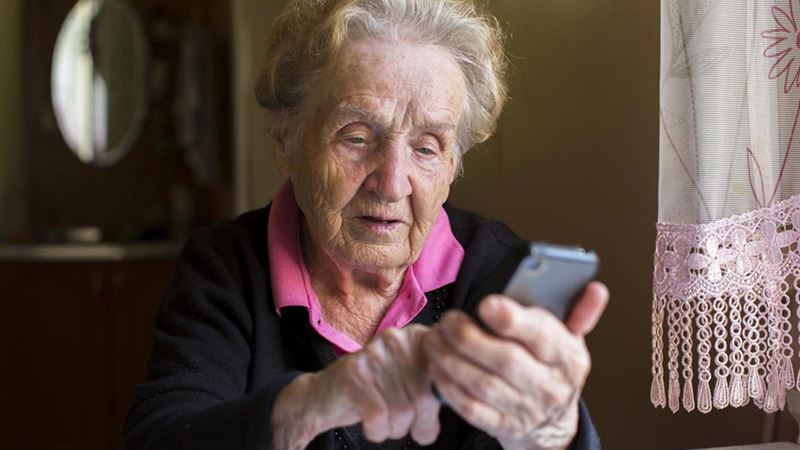
Connecting with loved ones and maintaining independence are vital aspects of senior living. As technology advances rapidly, many older adults find it challenging to navigate modern smartphones, resulting in frustration and barriers to communication. To address these issues, specialized cell phones designed explicitly for seniors have emerged, emphasizing simplicity, accessibility, and safety. These devices are tailored to meet the unique needs of seniors, offering features that make communication easier and more effective. Wireless carriers also recognize the importance of accessible technology, providing tailored plans and devices suited for senior users, ensuring they stay connected without complications.
Understanding the Unique Needs of Seniors for Mobile Devices
As populations age globally, the significance of accessible communication devices becomes more apparent. Seniors often experience challenges such as deteriorating eyesight, hearing issues, and reduced dexterity, which make standard smartphones less practical and user-friendly. Traditional devices with small buttons, complex interfaces, and unadjustable sound levels can be overwhelming. Recognizing these barriers, manufacturers and service providers have developed specialized mobile phones that cater specifically to seniors, prioritizing ease of use, durability, and safety features.
What Differentiates Senior Cell Phones from Standard Smartphones
Senior cell phones are built with a focus on the comfort and usability of elderly users. Unlike regular smartphones packed with features that might be unnecessary or intimidating for seniors, these devices include essential functionalities wrapped in a simple, intuitive interface. Constructed with durability in mind, they often feature sturdy builds that withstand accidental drops and rough handling, which could be common among seniors. The primary goal is to facilitate communication while minimizing technological complexity, enabling seniors to stay connected without the frustration associated with modern smartphones.
Key Features of Cell Phones Designed for Senior Users
To cater effectively to their user base, senior-oriented cell phones come with several thoughtfully incorporated features:
- Large, high-contrast screens that improve visibility and reduce eye strain.
- Oversized buttons that make dialing easier, even for users with limited dexterity.
- Enhanced audio capabilities, such as louder volume levels and clear sound quality, to accommodate hearing difficulties.
- One-touch or quick-dial buttons for frequently contacted relatives, caregivers, or emergency services.
- Simple user interfaces that eliminate unnecessary options and complexities, making navigation straightforward.
- Emergency call button functionality for immediate help when needed.
- Long-lasting batteries to ensure the device remains operational throughout the day.
Among popular options is the Jitterbug, a device revolutionary in providing senior-friendly features and accessibility. Companies have modified their product lines to include similar devices, emphasizing ease of use combined with modern connectivity options. These devices are also compatible with various accessories designed to enhance usability.
Accessories to Enhance Senior Mobile Experience
Senior mobile devices often come with a range of accessories that improve their functionality and safety:
- Hands-free devices, including Bluetooth headsets, for ease of communication and convenience.
- Multiple charging options, such as dock chargers and extra batteries, to ensure the device remains functional.
- Protective phone cases, often with reinforced edges, to prevent damage from accidental drops.
- Belt clips and lanyards for easy carrying and access.
- Amplifying devices that increase sound output further for users with hearing impairments.
These accessories not only extend the usability of senior cell phones but also enhance safety and comfort, making daily communication hassle-free.
Flexible and Tailored Plans for Senior Cell Phone Users
Understanding the diverse needs of the elderly, wireless providers now offer custom plans specifically designed for senior users. These plans often simplify the billing process, removing complicated charges associated with traditional plans. Options include.
- Prepaid plans that allow seniors to control their usage and monitor expenses effectively.
- Monthly plans with straightforward pricing structures, eliminating hidden fees and overage charges.
- Plans with no-contract options providing flexibility and peace of mind.
- Plans that include unlimited talk and text, catering to the communication needs of seniors who primarily use their devices for calling and messaging.
- Optional add-ons like data plans for those wishing to access the internet or use apps, with easy-to-understand packages.
By offering customizable plans, the industry ensures that seniors can choose services that match their lifestyle, usage patterns, and budget constraints, making technology more accessible and less intimidating.
Why Seniors Should Consider Specialized Mobile Devices
The importance of senior-specific mobile phones goes beyond just ease of use. They play a crucial role in providing peace of mind, safety, and independence to older adults. The simplicity of these devices encourages more frequent communication, reducing feelings of isolation. Additionally, having a dedicated emergency button or quick-dial feature ensures that help is always within reach, which can be vital during medical or safety-related emergencies.
Emerging Trends in Senior Mobile Technology
As technology evolves, so do the options available for senior users. Current trends involve the integration of health-monitoring features, such as fall detection, heart rate monitoring, and medication reminders, directly into mobile devices or compatible wearables. These enhancements aim to promote health and safety while maintaining simplicity. Voice-activated controls and AI-assisted interfaces are also gaining popularity, helping seniors navigate their devices using voice commands, further reducing barriers to technology adoption.
The Future of Communication Devices for Seniors
The future points toward even more accessible and integrated solutions, combining medical monitoring with communication devices. Advances in voice technology, artificial intelligence, and personalized interfaces will create devices that adapt seamlessly to the user's needs, providing not just connectivity but also health insights and personalized assistance. Companies are working towards creating devices that empower seniors, helping them live more independent, connected, and safe lives.
