
The Profound Benefits and Impact of Video Gaming on Cognitive and Social Skills
This comprehensive article explores the multifaceted benefits of video gaming, including cognitive enhancement, problem-solving, multitasking, and social skills development. It highlights how games serve as tools for mental stimulation and social interaction, countering common misconceptions about gaming's impact. The piece emphasizes the positive role of gaming in mental health, educational growth, and cognitive resilience, especially for older adults, supported by scientific research and expert insights. Discover how strategic gameplay can foster personal development in a fun and engaging way.
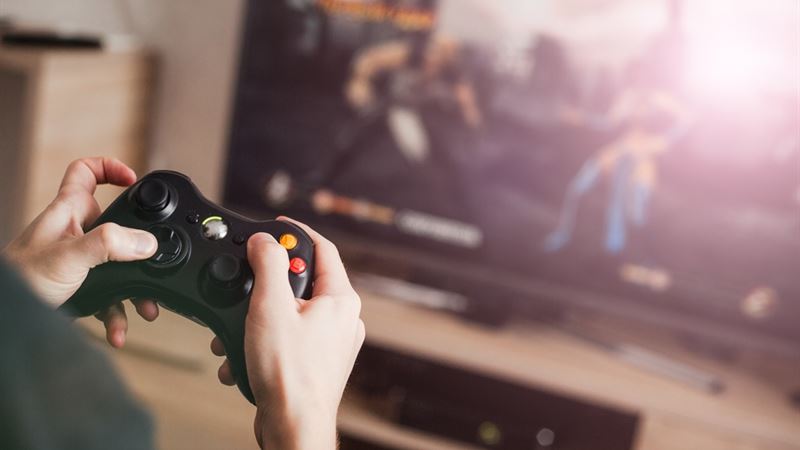
Research indicates that individuals with certain neurological conditions, including dyslexia and Alzheimer’s disease, can benefit from gameplay. For children struggling with dyslexia, playing engaging reading and comprehension games compels greater focus and adaptive learning. The changing environments within these games demand increased attention spans and adaptive thinking, aiding in educational development.
Improves Multitasking Capabilities
Contrary to the misconception that action games are merely mindless entertainment, a variety of intense titles such as Anthem, Monster Hunter: World, God of War, Far Cry 5, Metro: Exodus, Skull and Bones, and Code Vein have demonstrated substantial benefits in sharpening focus, decision-making, and cognitive flexibility. These games compel players to simultaneously monitor multiple aspects such as energy levels, control actions, ammunition, threats, and time constraints, fostering advanced multitasking skills.
Studies reveal that individuals aged between 20 and 60 can improve their multitasking abilities within just six months of regular gameplay. Remarkably, seniors over 60 years old often outperform younger players who do not engage in gaming, showcasing a notable enhancement in sustained attention and mental agility in older adults.
Strengthening Problem-Solving Skills
The core mechanics of many video games revolve around resolving crises and overcoming challenges. Players are tasked with devising effective strategies, selecting appropriate weapons, or navigating complex environments to succeed.
- Strategic thinking and rule-based problem solving in gaming translate efficiently into real-world decision-making, leadership, and personal management. Developing solutions within a structured framework enhances cognitive flexibility and adaptive thinking.
- The integration of physical, auditory, and visual stimuli during gameplay requires the player to harmonize sensory inputs to reach specific objectives, sharpening processing and reaction times.
- The immersive nature of video training broadens cognitive capacities, enabling rapid information intake and enhanced grasping of complex scenarios.
Fostering Social Interaction and Teamwork
An often-misunderstood myth suggests that gaming fosters social isolation. In reality, multiplayer online games serve as powerful social platforms where players communicate, strategize, and collaborate across borders.
- Gamers can connect globally via online forums, chat functions, and multiplayer sessions, building social networks and cultural understanding.
- Regular communication in gaming communities fortifies team cohesion and nurtures leadership skills, as players coordinate efforts to achieve common goals.
In addition to social connectivity, gaming offers emotional benefits by helping individuals recover from depression and social withdrawal. The virtual environment provides a safe space for expression, social interaction, and confidence-building. Furthermore, playing video games has been linked to enhancements in visual perception and reaction speed, contributing to overall cognitive health and quality of life.