
Comprehensive Guide to Pelvic Floor Health and Kegel Exercises
This comprehensive guide explores the importance of pelvic floor muscles and effective Kegel exercises for women’s health. From understanding pelvic anatomy to proper exercise techniques and helpful devices, learn how to strengthen your pelvic muscles, prevent incontinence, and maintain overall pelvic health. Incorporating these exercises into daily routines can lead to improved quality of life, sexual health, and long-term wellbeing. This article provides expert advice, practical tips, and detailed insights to empower women in maintaining their pelvic support system effectively.
Understanding Pelvic Floor Muscles and Their Significance
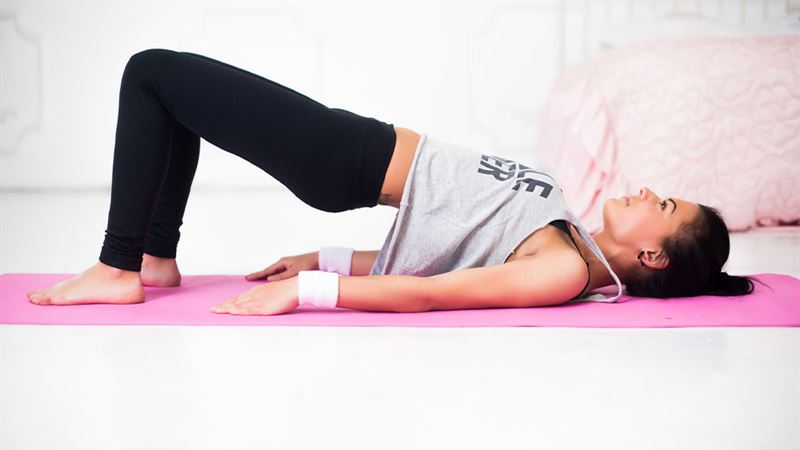
The pelvic floor muscles are a crucial group of muscles that support vital organs such as the bladder, uterus, and rectum. Over time, factors like aging, childbirth, surgery, or lifestyle can weaken these muscles, leading to various health issues. One of the most common problems associated with weakened pelvic muscles is urinary incontinence, which can significantly impact quality of life. Additionally, weaker pelvic support may cause pelvic organ prolapse (POP), a condition where pelvic organs descend from their normal position, causing discomfort and functional disturbances.
Pelvic muscle weakness can also result from trauma during childbirth, cesarean sections, or pelvic surgeries. These muscles are essential for maintaining continence, supporting sexual function, and facilitating childbirth. Therefore, preserving pelvic muscle strength is vital for overall pelvic health. Regular exercise targeting these muscles can mitigate risks, improve control over urinary functions, and enhance quality of life.
The Role of Kegel Exercises in Pelvic Health
Kegel exercises, named after Dr. Arnold Kegel who developed them in 1948, are exercises designed specifically to strengthen the pelvic floor muscles. These exercises involve repeatedly contracting and relaxing the pubococcygeus muscles, which form the core of the pelvic support system. By routinely performing these exercises, individuals can restore muscle tone, improve bladder control, and reduce the risk of pelvic organ prolapse.
In addition to urinary health benefits, Kegel exercises contribute to enhanced sexual health, increased vaginal tone, and better preparation for childbirth. Strengthening the pelvic muscles also provides added support to the pelvic organs, preventing downward displacement and associated discomfort. These exercises are simple, discreet, and can be incorporated into daily routines with ease.
Understanding the Anatomy of Pelvic Floor Muscles
The pelvic floor comprises a group of muscles collectively supporting the pelvic organs. The main muscle targeted during Kegel exercises is the pubococcygeus, which runs from the pubic bone to the tailbone. These muscles form the pubic diaphragm, a hammock-like structure supporting the bladder, uterus, and rectum. Additionally, the levator ani group, including puborectalis and iliococcygeus muscles, play critical roles in maintaining continence and pelvic stability.
Proper Technique for Performing Kegel Exercises
Successfully performing Kegel exercises begins with accurately identifying the pelvic muscles. A practical way is to attempt stopping urination midstream; if you succeed, you're engaging the correct muscles. However, do not regularly practice stopping urination midstream as it can lead to urinary tract infections. Instead, use this method solely for muscle identification.
Once familiar with the target muscles, start exercising by contracting them for three seconds, then relaxing for the same duration. Repeat this cycle ten times to form a basic set. Over time, gradually increase the contraction and relaxation periods to ten seconds each, ensuring continuous progress. It’s important to practice regularly, ideally multiple times daily, in discreet settings such as during commuting, resting, or even at your desk.
Tips for Effective Kegel Practice
Consistency is vital for achieving the best results with Kegel exercises. Begin with a manageable routine and gradually increase the intensity and duration. Focus on isolating the pelvic muscles without engaging other muscle groups like the thighs, buttocks, or abdominal muscles. Breathing should remain rhythmic and natural during contractions.
For optimal benefit, consider integrating rhythmic breathing patterns with your exercises, inhaling before contracting and exhaling slowly during the hold. Remember, over-exerting or incorrect technique can diminish effectiveness or cause discomfort, so patience and proper form are key.
Assistive Devices for Pelvic Floor Exercises
While traditional Kegel exercises can be done without equipment, various devices are available to aid in targeting the right muscles and enhancing workout effectiveness. These devices range from simple to advanced options:
- A small vaginal ball or cone, typically ranging from 20 to 35 millimeters in diameter, is designed to be held within the vagina during exercises. These cones come in different weights to increase resistance progressively.
- Vaginal barbells and cones are inserted into the vagina to provide added resistance during contraction, assisting in strengthening pelvic muscles more effectively.
- Feedback-enabled rubber balls fitted with pressure gauges can help monitor the exerted force, guiding users to apply consistent and correct pressure during workouts.
- Electrical Kegel exercisers deliver mild electrical stimuli through internal probes, prompting muscle contractions internally, which can compensate for weak or inactive muscles.
- Progressive resistance devices provide adjustable pressure levels, ensuring users target the correct muscles with precision, leading to more efficient strengthening routines.
While these devices offer targeted training and can enhance effectiveness, recent clinical studies suggest that simple, device-free Kegel exercises are equally effective for most individuals. Nevertheless, resistance devices are invaluable for specific needs, especially when initial efforts are slow or difficult.
In summary, strengthening the pelvic floor muscles through Kegel exercises offers numerous benefits, including improved bladder and bowel control, prevention of pelvic organ prolapse, and enhanced sexual health. Regular practice, whether with or without devices, is key to maintaining pelvic health and preventing future complications.