
Selecting the Perfect Pendant Lights to Enhance Your Home's Aesthetic and Functionality
Discover how to select and install the perfect pendant lights for your home, enhancing both style and function. This comprehensive guide covers placement, purpose, and types of pendant fixtures to transform your living spaces with expert lighting tips and design ideas.
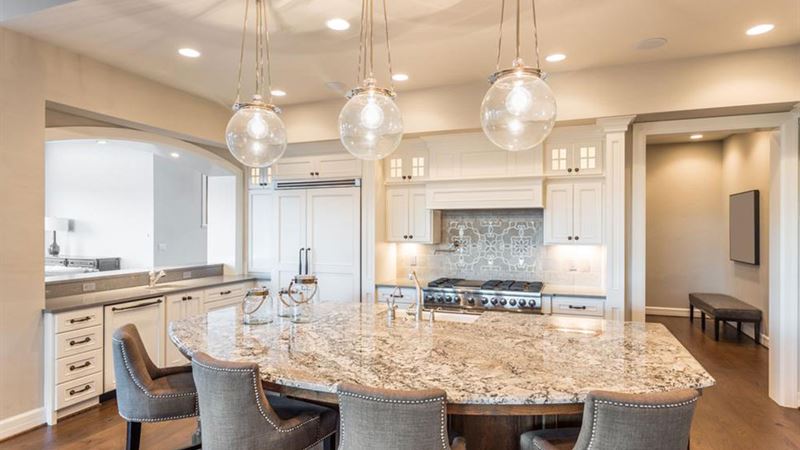
Pendant lighting is an incredibly versatile and stylish choice that can elevate the ambiance of any room in your home. With so many styles, designs, and configurations available, choosing the right pendant lights can seem overwhelming. This comprehensive guide explores the key factors to consider when selecting pendant lights, including placement, purpose, types, and design, ensuring your lighting not only enhances your decor but also provides functional illumination where needed.
Modern homes call for thoughtful lighting solutions that blend form and function seamlessly. Pendant lights have emerged as a popular option due to their adaptability—they can serve as task lighting, ambient lighting, or decorative accents. Whether you're illuminating a kitchen island, highlighting a dining area, or adding elegance to a hallway, pendant lights can be customized to suit your specific needs and style preferences.
Understanding where and how to install pendant lighting is crucial for achieving optimal results. The placement of pendant fixtures influences both the aesthetic and functional quality of the lighting. Proper positioning ensures sufficient illumination and balanced visual appeal. In this extensive article, we delve into various aspects of pendant lighting, including ideal placement height, choosing the correct type based on room use, and matching fixtures to your decor theme.
- Placement Strategies for Pendant Lights
The strategic placement of pendant lights can dramatically transform your home environment. In general, pendant fixtures should hang at a height that allows for effective lighting without obstructing views or movement. For most rooms, hanging pendants approximately 30 to 35 inches above the surface provides optimal illumination and aesthetic balance.
In larger areas, such as expansive kitchens or open-plan living rooms, multiple pendant lights can be used to create visual interest and ensure uniform lighting. For instance, above a kitchen island, a series of pendant lights arranged at slightly varied heights can produce a stunning focal point. When installing pendants over a dining table, ensure that the fixtures are hung about 30 inches above the tabletop to provide adequate lighting without interfering with eye contact.
Additionally, considerations should be made for room height and the placement of furniture. For rooms with high ceilings, hanging fixtures slightly lower can help create intimacy and focus. Conversely, in spaces with lower ceilings, choosing smaller pendants or placing them higher can prevent a cramped feeling.
- Choosing the Right Pendant Light for Functionality
Functionality is a key aspect when selecting pendant fixtures. For task-oriented areas such as kitchens, bathrooms, or workspaces, ensure that the lighting provides bright, focused illumination. Fixtures with translucent or frosted bottoms help diffuse light evenly, reducing harsh shadows and glare. Dimmers are highly recommended for such settings, enabling you to adjust brightness levels according to needs and mood.
For decorative purposes, lighter fixtures with intricate design elements or unique materials can serve as statement pieces. These pendants can enhance the overall aesthetic while providing just enough light to create a welcoming atmosphere. Combining task and ambient lighting through layered fixture arrangements can add depth and sophistication to your spaces.
Creative lighting effects can be achieved by varying the number and heights of pendant fixtures. For instance, hanging a single pendant in narrow hallways or small spaces provides focused lighting, while clusters of multiple pendants at different heights can produce dramatic visual effects in larger rooms or entryways.
- Diverse Types of Pendant Lights
Today's market offers a diverse array of pendant lighting options to match every decor style and functional requirement. Glass pendant lights, with their sleek and transparent appearance, excel as task lights in kitchens or workspaces. Fabric-covered pendants, especially those made from natural materials like jute or hemp, create a softer and more inviting ambiance—ideal for living rooms or bedrooms.
Lantern-shaped pendants evoke a rustic or vintage feel, making them perfect for entryways, porches, or dining areas. Drum-shaped fixtures, often crafted from wood or metal, combine style with practicality, providing diffused light suitable for relaxing or entertaining.
Mini pendant lights are versatile enough to serve as accent pieces or supplementary task lighting. Their compact size and diverse shapes make them a popular choice for accentuating architectural features, framing artwork, or adding unique accents into kitchen or bathroom decor.
When selecting pendant lights, consider the overall theme of your home. Modern, industrial, rustic, or bohemian styles all have corresponding pendant options that can harmonize with your existing decor while offering improved illumination and aesthetic appeal.
In conclusion, choosing the right pendant lighting involves balancing placement, function, and style. Properly selected and positioned pendants can dramatically enhance your home's atmosphere, making daily activities more comfortable and spaces more visually appealing. Remember to consider ceiling height, fixture type, and purpose to create a beautifully lit and cohesive interior design.