
Comprehensive Guide to At-Home Management of Hemorrhoids
This comprehensive guide provides natural, effective strategies for managing hemorrhoid symptoms at home. It emphasizes lifestyle changes, dietary adjustments, and simple remedies like sitz baths, cold packs, and tea bags to alleviate pain and reduce inflammation. Early medical consultation is advised if symptoms persist, ensuring safe and targeted treatment. Understanding causes and preventive measures helps in long-term management, making this resource essential for those seeking relief without surgery.
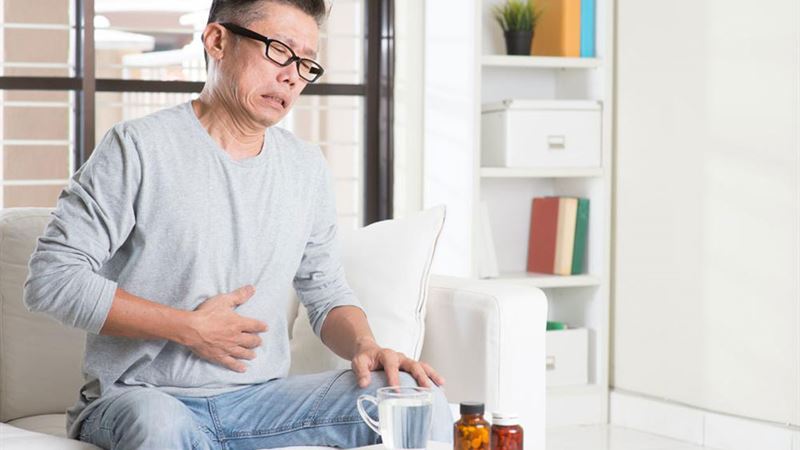
Hemorrhoids are swollen blood vessels located within or outside the anus and rectum. Internally, they develop inside the anal canal, whereas external hemorrhoids occur beneath the skin around the anus. These conditions often cause discomfort, itching, and bleeding, especially during episodes of inflammation. Typically, both internal and external hemorrhoids are self-limiting and tend to heal without medical intervention. However, in some cases, they can pose significant health risks, such as excessive bleeding leading to anemia or, in severe cases, strangulation of the blood supply to the swollen vessels, culminating in intense pain and other complications.
Hemorrhoids are primarily caused by increased pressure on the rectal veins, which can occur due to various lifestyle and health factors. Understanding these causes is crucial for effective prevention and management. Common triggers include prolonged sitting or standing, chronic constipation or diarrhea, pregnancy, obesity, and straining during bowel movements. Additionally, activities that increase intra-abdominal pressure, such as heavy lifting or persistent coughing, can exacerbate the condition.
Fortunately, many cases of hemorrhoids respond well to simple, non-invasive treatments that can be implemented at home. Incorporating natural remedies and lifestyle modifications can significantly decrease symptoms and prevent relapse. This detailed guide explains effective, natural ways to alleviate hemorrhoid discomfort and promote healing without relying solely on medications or surgical procedures.
Understanding the Causes of Hemorrhoids
Repeated straining, excessive pressure, or increased blood flow in the anal region often lead to the development of hemorrhoids. The key contributory factors include:
- Pregnancy, due to increased pressure from the growing uterus
- Prolonged periods of standing or sitting, which put stress on the pelvic veins
- Extended time spent on the toilet, especially with aggressive or persistent pushing
- Chronic constipation or diarrhea, both of which cause repeated straining
- Low-fiber diets, resulting in hard stools and difficulty passing
- Straining during lifting heavy objects or physical labor
- Coughing, sneezing, or vomiting, which increase abdominal pressure
Understanding these triggers can help in designing a preventive strategy to reduce the risk and severity of hemorrhoids.
Extensive Natural Remedies for Hemorrhoid Relief at Home
Timely intervention can prevent hemorrhoids from worsening and reduce discomfort. Here are comprehensive, natural approaches that have proven effective for many individuals suffering from hemorrhoid symptoms. Nevertheless, it is essential to consult with your healthcare provider before starting any home treatments, especially if symptoms persist or worsen.
- Elevate High-Fiber Dietary Intake & Hydration
A high-fiber diet facilitates softer stools, reducing the need for straining during bowel movements. Incorporate foods like whole grains, oats, brown rice, nuts, seeds, fruits, and vegetables into your daily meals. Complement this with adequate hydration; drinking plenty of water (at least 8-10 glasses per day) can prevent constipation and alleviate existing hemorrhoid symptoms. Maintaining optimal fiber and fluid levels supports bowel regularity and minimizes pressure on the hemorrhoidal vessels.
- Engage in Moderate to Vigorous Physical Activity
Regular exercise improves overall vascular health and reduces intra-abdominal pressure. Activities such as brisk walking, jogging, cycling, or swimming for at least 30 minutes daily promote better circulation and prevent constipation. Exercise also helps manage weight, which further lessens pressure on the rectal area. Remember to avoid heavy lifting or strenuous activities that might exacerbate hemorrhoids.
- Utilize Sitz Baths for Symptom Relief
A sitz bath involves sitting in warm water, usually in a specially designed basin that fits over the toilet seat or a small tub filled with 3-4 inches of warm water. Sitting in a warm bath for 15-20 minutes after bowel movements helps relax anal muscles, reduces inflammation, alleviates pain, and eases itching. Performing this routine multiple times a day enhances comfort and speeds recovery.
- Apply Tea Bags for Soothing Effects
Wet, warm tea bags—particularly those containing tannic acid, such as black or green tea—are effective in reducing swelling and providing pain relief. The tannins constrict blood vessels and help stop bleeding. Simply soak a tea bag in warm water, remove excess liquid, and hold it gently against the affected area for 10-15 minutes. Repeating this process several times a day can soothe inflamed external hemorrhoids.
- Use Cold Compresses to Reduce Swelling
Applying an ice pack wrapped in a cloth or a cold compress to the anal area can significantly decrease swelling and relieve discomfort. The cold causes blood vessels to constrict, decreasing blood flow and easing inflammation. Limit application to 10-15 minute intervals, with breaks in between, to prevent tissue damage. This quick remedy can provide rapid relief from acute symptoms.
When to Seek Professional Medical Care
While many hemorrhoid cases improve with home care, persistent or worsening symptoms warrant medical attention. Emergency signs include significant bleeding, severe pain, or the appearance of a prolapsed hemorrhoid that cannot be reinserted. If hemorrhoid symptoms do not respond to lifestyle modifications or over-the-counter remedies within two weeks, consult a healthcare professional promptly. An experienced colorectal surgeon can evaluate your condition and recommend appropriate treatments, which may include minimally invasive procedures like rubber band ligation or surgical excision of hemorrhoids.
Early diagnosis and intervention are vital to prevent complications, including anemia from blood loss, infections, or strangulation of hemorrhoids. Never delay seeking medical help if you experience recurrent rectal bleeding, intense pain, or if it is your first time experiencing bleeding from the rectum.
Modern medical options for hemorrhoid treatment are diverse and tailored to individual needs. The choice between non-invasive procedures, such as sclerotherapy, rubber band ligation, or infrared coagulation, versus surgical removal depends on the severity, size, and symptoms. A healthcare professional will assess your medical history, hemorrhoid grade, and overall health to determine the most effective treatment plan.
In conclusion, managing hemorrhoids effectively involves an integrated approach combining lifestyle modifications, home remedies, and timely medical intervention when necessary. Adopting these practices can significantly mitigate symptoms, improve comfort, and enhance quality of life.