
Comprehensive Guide to Conducting Background Checks and Managing Criminal Records
This extensive guide explains how to access your criminal records, including sealed files, and offers tips for record expungement and rehabilitation. Learn about FBI background checks, using private channelers, and navigating legal procedures. Essential for job seekers, ex-offenders, and anyone interested in maintaining personal records. Empower yourself with knowledge on managing your criminal history responsibly and rebuilding trust in society to open new career and life opportunities.
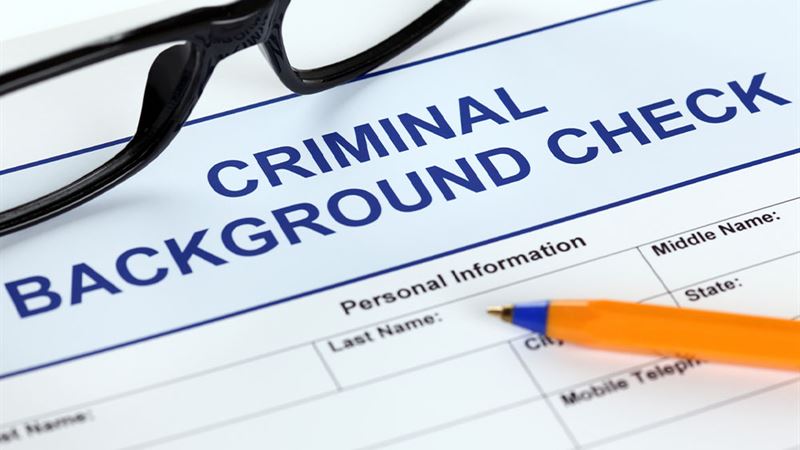
How to Obtain Your Personal Criminal Record
If you intend to review your criminal history, the process begins with contacting the appropriate authorities. For records that are sealed or expunged, a court order is necessary to access the information, and this order must be directed to the court that issued the original record. Public records, on the other hand, are usually available through local law enforcement agencies or federal agencies such as the FBI.
Here’s an in-depth guide on how to retrieve your criminal record from the FBI via online methods:
- Step 1: Access the Official FBI Website
- Navigate to the FBI's Electronic Identity History Summary Checks portal, a secure platform designed for this purpose.
- Step 2: Complete the Application
- Fill out the necessary forms with accurate personal information, specify your preferences, and follow instructions for fingerprint submission – either electronically or via postal mail. Payment is required during this process, which can be made online or by mail depending on your method of request.
Once your application is submitted, you can track its status online. If you choose to request the report by mail, send your fingerprints and payment to the FBI address: FBI CJIS Division – Summary Request, 1000 Custer Hollow Road, Clarksburg, WV 26306.
For quicker processing, some applicants utilize FBI-approved private channelers—authorized third-party entities that submit requests on your behalf. These channelers can expedite the process and often provide services promptly, although they typically serve U.S. citizens and do not handle employment or licensing-related background checks. If your request results in no records, you will receive a formal statement indicating such. Conversely, if discrepancies or inaccurate data exist, you have the right to challenge and correct those records through formal procedures.
Steps for Clearing or Improving Your Criminal Record
Removing all traces of past criminal activity—commonly known as “cleaning” your record—is often difficult, especially if there is an extensive history. Nonetheless, there are steps to rehabilitate your profile and demonstrate your commitment to change:
- Securing Employment
- Gaining steady employment and displaying responsibility can foster trust within your community and among prospective employers. It indicates that you are contributing positively to society and are ready to rebuild your reputation.
- Avoiding Troublesome Activities
- Remaining clear of illegal or questionable activities is essential to maintain your progress and prevent your past from hindering your future opportunities. Careful decision-making is crucial as you work toward personal reform.
- Participating in Rehabilitation Programs
- Many communities offer specialized programs for ex-offenders designed to support reintegration. These programs offer counseling, job training, and life skills to help you transition smoothly into lawful society. Showing your dedication to reform through active participation in such initiatives can significantly enhance your profile and open new doors.
Importance of Background Checks in Employment
Employers across various industries often conduct background investigations to ensure safety, trustworthiness, and compliance with legal standards. Certain sectors, especially those involving vulnerable populations or high responsibility, have stricter requirements:
- Educational Sector
- In roles such as teachers, school administrators, or college faculty, thorough background checks are standard practice. Candidates with violent or sex offense histories are generally disqualified to protect students and staff.
- Governmental Roles
- Positions within federal, state, and local government agencies require extensive background screening. These checks verify employment history, criminal records, financial history, and other relevant factors to ensure the candidate’s integrity.
- Other Critical Fields
- Roles in healthcare, finance, information technology, and law enforcement frequently require background clearance to safeguard organizations and the public.
Having a criminal record can impact your opportunities for employment, housing, or educational advancement. Knowing your record and ensuring its accuracy is vital for your personal and professional development. Regularly checking your criminal history allows you to address any inaccuracies and work proactively toward your goals. This comprehensive guide provides insights into how to perform these checks and manage your records effectively, empowering you to take control of your personal history and future.