
Creating Homemade Probiotic Yogurt, Cheese, and Mayonnaise: A Step-by-Step Guide
Learn how to make nutritious probiotic yogurt cheese and homemade mayonnaise with simple ingredients. This detailed guide provides step-by-step instructions for crafting delicious, healthy dairy products at home. Discover methods to enhance flavors, incorporate probiotics, and store these items safely, enabling you to enjoy fresh, probiotic-rich foods daily. Perfect for health-conscious individuals and cooking enthusiasts alike, these recipes promote gut health through simple yet effective techniques that elevate your culinary skills and improve your diet's quality.
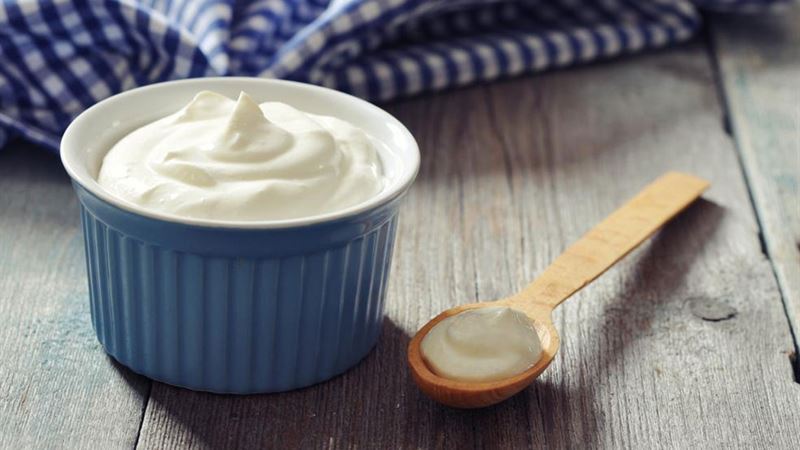
Discover the simple process of making your own probiotic dairy products at home. Whether you're interested in crafting delicious yogurt cheese or whipping up fresh mayonnaise, this comprehensive guide will walk you through each step to ensure you achieve perfect results every time. Making homemade probiotic foods not only enhances your health by introducing beneficial bacteria into your diet but also allows you to customize flavors to suit your taste preferences. Plus, creating these items from scratch can be a fun and rewarding kitchen activity, empowering you to take control of what goes into your foods.
Understanding the fundamentals of homemade probiotics requires familiarity with a few basic ingredients and techniques. The main components include starter cultures, fresh dairy products, and high-quality oils. Throughout this guide, you'll learn how to ferment, flavor, and store these foods properly, ensuring maximum freshness and probiotic benefits. Additionally, you'll discover creative ways to incorporate your homemade yogurt cheese into meals, snacks, and spreads, making it a versatile addition to your culinary repertoire.
How to Prepare Probiotic Yogurt Cheese at Home
To begin your journey into homemade probiotics, start with high-quality yogurt. For making yogurt cheese, use a half-pint of plain, unsweetened yogurt or more according to your desired quantity. Strain the yogurt through a fine cheesecloth or muslin fabric, which is secured around a wooden spoon or another suitable utensil. Hang this setup over a bowl or tumbler to allow the liquid whey to drain naturally. The draining process, which typically takes around 8 hours or longer, results in a thick, creamy cheese that retains all the probiotic properties of the original yogurt. Once fully drained and separated from the whey, the cheese becomes soft, spreadable, and ideal for flavoring.
You can enhance your yogurt cheese by adding a pinch of sea salt to create a savory cream cheese, or mix in herbs, garlic, chili flakes, or spices for a flavorful spread. This homemade probiotic cheese can be enjoyed in numerous ways—spread on crackers, spread on toast, or used as a base for dips. It also pairs well with fresh vegetables and can be stuffed into pita bread for quick snacks or light meals.
How to Make Fresh Homemade Mayonnaise
While the concept of making mayonnaise from scratch might seem intimidating initially, it’s surprisingly straightforward. The key to perfect homemade mayo is slow and steady emulsification of oil and other ingredients. You'll need a few basic items: one whole egg or just the yolk, organic mustard, lemon juice, and a neutral oil such as sunflower or light olive oil. For extra flavor and probiotics, you may also add liquid whey or yogurt cheese. Begin by placing the egg, mustard, lemon juice, salt, and any additional flavorings into a high-speed blender or food processor. Blend these ingredients until smooth and well combined. Then, with the machine running, slowly drizzle in the oil in a thin, steady stream while blending continuously. This gradual process ensures the mixture emulsifies into a thick, creamy mayonnaise.
Once your homemade mayonnaise reaches the desired consistency, pour it into a sterilized jar or container. To introduce probiotics, leave the mayo to culture at room temperature for approximately 6 to 8 hours—this allows beneficial bacteria to develop and enhance the health benefits. After culturing, store the mayo in the refrigerator, where it can last for up to a week, depending on your ingredients and hygiene practices. Homemade mayo is free from preservatives and artificial additives, making it a healthier alternative to store-bought varieties.
By making your own probiotic yogurt cheese and mayonnaise, you gain control over the ingredients, ensuring everything is fresh and free from unnecessary additives. These recipes are adaptable, allowing you to experiment with flavors, textures, and probiotic cultures to suit your dietary needs. Whether you're aiming for improved digestion, a boost in gut health, or simply enjoy creating wholesome foods from scratch, these homemade probiotic dairy products are a fantastic addition to your culinary toolkit. Not only do they taste delicious, but they also contribute significantly to your overall well-being, making your homemade kitchen a hub of health and flavor.