
Maximizing Profits: An In-Depth Guide to Selling Your Used Furniture Successfully
This comprehensive guide explores detailed strategies to sell used furniture effectively. From valuing your items, setting competitive prices, choosing optimal sales channels, to closing deals efficiently, learn how to maximize your profits. The article provides practical tips for online and offline selling, ensuring a smooth and lucrative experience. Perfect for those looking to declutter or profit from pre-owned furniture, this guide will help you navigate the used furniture resale market confidently and successfully.
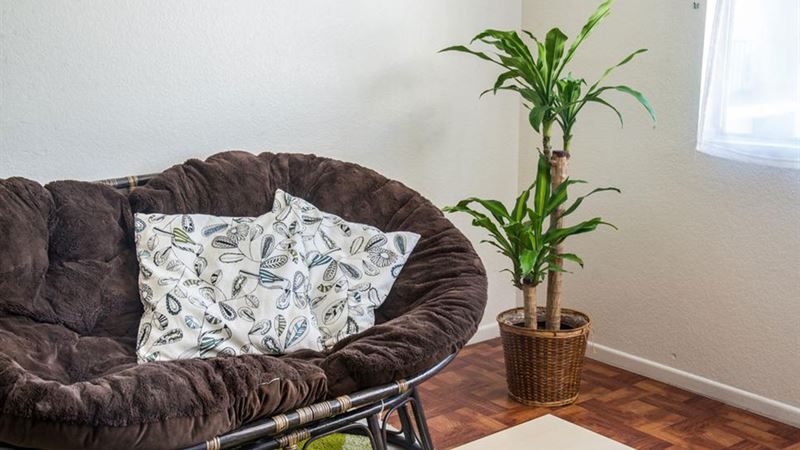
Deciding to sell your pre-owned furniture can be a highly profitable decision if approached correctly. Whether you're looking to declutter your home, upgrade your living space, or simply capitalize on the value of furniture you no longer need, understanding how to effectively sell used furniture is essential. From pricing strategies to choosing the right sales platforms, this comprehensive guide will walk you through every step needed to maximize your earnings and make the selling process smooth and successful.
Understanding the Value of Your Used Furniture
Before setting a price or listing your furniture online or offline, it is crucial to accurately assess its current market value. The resale value of your furniture depends on several factors, including its original purchase price, current condition, age, brand, and current demand. Analyzing these elements will help you determine a competitive yet fair selling price.
Start by examining your furniture carefully. Note any imperfections such as dents, scratches, stains, or structural issues. These flaws will inevitably influence the final price. If your furniture is in excellent condition, it can fetch a higher resale value. Conversely, damage or wear and tear might necessitate a lower price point to attract buyers.
Research market prices for similar items online. Check out popular secondhand furniture marketplaces, local listings, and auction sites. By comparing prices, you'll be able to set a realistic asking price that appeals to buyers while ensuring you get fair compensation for your item.
Pricing Strategies for Used Furniture
One of the most critical aspects of selling used furniture is pricing. Overpricing can deter potential buyers, while underpricing might lead to a loss of profit. Striking the right balance is key.
Consider starting with a price slightly higher than your minimum acceptable amount, providing room for negotiation. Be transparent about your furniture's condition and history, as buyers appreciate honesty. Remember, pricing too high compared to similar offerings could result in your item sitting unsold for longer periods, whereas a reasonable price can elicit quicker sales.
Don’t forget to factor in additional costs such as cleaning, minor repairs, or transport when setting your price. Sometimes investing a small amount in refurbishing your furniture can significantly boost its perceived value.
Where and How to Sell Used Furniture
Choosing the right sales platform is vital to reaching the right audience and securing the best possible deal. There are numerous options available, both online and offline, each with its advantages.
- Online Marketplaces: Platforms like Facebook Marketplace, OfferUp, eBay, and specialized furniture resale sites are popular choices. They offer access to a broad customer base and allow you to set your terms, negotiate directly with buyers, and showcase multiple images of your furniture.
- Mobile Apps: Apps dedicated to local selling can help you reach nearby buyers efficiently. The convenience of mobile apps often results in quicker negotiations and sales.
- Garage Sales and Flea Markets: Hosting a garage sale can be a quick way to offload multiple items at once. Ensure you advertise well locally to attract foot traffic.
- Local Furniture Shops and Consignment Stores: Some stores buy used furniture directly or take items on consignment, selling them on your behalf for a commission.
When selling higher-value pieces, consider listing them first and prioritizing these items to maximize profit. Lower-value furniture can be sold afterward or bundled with other items to increase appeal.
Tips for a Successful Sale
Besides choosing the right platform and setting a fair price, other tips can help you close deals faster:
- High-Quality Photos: Take clear, well-lit photos from multiple angles to showcase your furniture's features and condition.
- Detailed Descriptions: Provide honest, detailed descriptions highlighting key features, dimensions, and any imperfections.
- Prompt Communication: Respond quickly to inquiries to build trust and keep potential buyers engaged.
- Negotiate Wisely: Be prepared to negotiate but set a minimum acceptable price beforehand.
- Clean and Prepare: Clean your furniture thoroughly and perform minor repairs if needed to enhance its appeal.
Maximizing Profit and Ensuring a Smooth Transaction
To ensure profitability and a hassle-free selling experience, plan your logistics meticulously. Decide whether you will handle transportation, or if buyers will arrange pickup. Be flexible with scheduling to accommodate buyers, and always prepare all necessary documentation or receipts if applicable.
Additionally, consider bundling multiple items or offering discounts for larger purchases, which can incentivize buyers to purchase more and move inventory faster.
In conclusion, selling used furniture is not just about decluttering; it is a strategic opportunity to earn money efficiently by understanding market trends, setting appropriate prices, utilizing the right channels, and presenting your items persuasively. With patience and proper planning, you can turn your used furniture into a profitable venture while creating space in your home for new beginnings.