
Effective Strategies to Remove Pet Stains and Maintain Clean Carpets
Discover comprehensive tips and natural remedies for removing pet stains and odors from your home. Learn about effective products, cleaning techniques for fresh and old stains, and ways to prevent future accidents, ensuring your carpets and furniture stay clean and odor-free. Perfect for pet owners seeking practical solutions to maintain a fresh, healthy living environment.
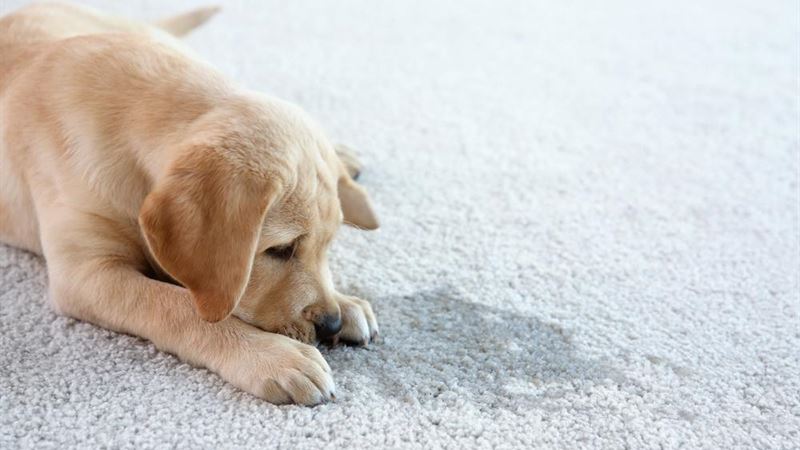
Understanding Pet Stain Removers and Their Importance
- Pet stain removers are specially formulated cleaning solutions designed to effectively eliminate stains and odors caused by pets. They are typically available in spray bottles for easy application. These solutions work by breaking down the stain particles and neutralizing odors, restoring the cleanliness of rugs, carpets, upholstery, and other affected surfaces.
- Choosing the right pet stain remover depends on your specific needs, the type of stain, and your budget. High-quality products come with advanced formulas that quickly penetrate deep into fibers to lift stubborn stains and eliminate lingering smells.
- Popular brands include Nature's Miracle Advanced Pet Trigger Sprayer, BISSELL Pet Power Shot Oxy, and wieder a variety of eco-friendly options that are safe for pets and family members.
How to Effectively Clean Fresh Pet Stains
- When your pet accidentally soils bedding, carpets, or furniture, quick action is crucial to prevent stains from setting. The first step is to isolate the area to prevent your pet from re-soiling it.
- Use absorbent materials such as newspapers, paper towels, or microfiber cloths to soak up as much urine or liquid as possible. Gently press these materials onto the affected area without rubbing, to avoid spreading the stain further.
- Once you've soaked up the excess moisture, clean the area with water or a mild cleaning solution. Blot dry with clean towels and allow the spot to air out or dry naturally.
Removing Old and Stubborn Pet Stains
- Old stains often pose a bigger challenge because the stain particles have settled into the fibers over time. If you are unable to remove the stain through regular cleaning, consider seeking professional cleaning services to salvage your carpets and upholstery.
- Avoid using high-temperature steam cleaners as they can set the stain and trap odor deeper into the fibers, making the problem worse.
- Be cautious with harsh chemicals like vinegar or ammonia. Though they can help in some cases, these substances might inadvertently encourage pets to re-soil the same area due to lingering odors or chemical residue. Instead, opt for enzymatic cleaners designed specifically for pet stains.
- After the stain removal process, treat the area with a pet-safe odor neutralizer to ensure no residual smell attracts your pet back to the same spot.
Preventing Future Pet Stains and Damage
- Even with proper training, accidents can still happen, especially with young or anxious pets. To minimize damage, restrict access to valuable furniture and carpets or use pet-proof barriers in vulnerable areas.
- Consistent positive reinforcement training helps teach your pet where and when to relieve themselves. Establishing designated spots with easy-to-clean flooring or pads can significantly reduce accidents on carpets.
- Creating an inviting and clean environment encourages your pet to use proper areas for urination and defecation, reducing the likelihood of stains and damage.
Alternatives to Commercial Pet Stain Removers
- If you prefer natural solutions, options are readily available using common household ingredients. These natural remedies are safe, effective, and environmentally friendly.
- One such mixture involves a combination of vinegar and baking soda. Spray this solution on the affected area to help lift stains and neutralize odors. Vinegar acts as a natural disinfectant and stain remover, while baking soda absorbs moisture and unpleasant smells.
- Another proven method combines hydrogen peroxide, baking soda, and a few drops of dish soap. Hydrogen peroxide penetrates deep into fabric fibers to break down urine crystals, while baking soda deodorizes. Adding a teaspoon of dish soap enhances cleaning efficiency.
Key Tips for Managing Pet Stains Effectively
- The most effective way to deal with pet stains is to act immediately after the incident occurs. Prompt cleaning prevents the stain from setting and makes removal easier.
- Consistent cleaning routines, combined with proper training, can dramatically reduce the occurrence and impact of pet accidents.
- Always use pet-safe products and natural remedies to maintain a healthy home environment for both your family and your furry friends.
In conclusion, pet stains are inevitable for pet owners, but with the right tools and techniques, you can effectively manage and remove them. Regular cleaning, early intervention, and preventive measures ensure your home stays fresh, odor-free, and inviting for all inhabitants.