
Comprehensive Guide to Securing Mortgages with Poor Credit Scores
Discover comprehensive strategies and loan options to secure a mortgage with poor credit. Learn about government-backed loans like FHA and VA, explore private lender programs, and find tips to improve your credit score. This guide offers practical advice to help you navigate the home buying process even with a low credit rating, ensuring you find suitable financing opportunities and work towards your dream of homeownership.
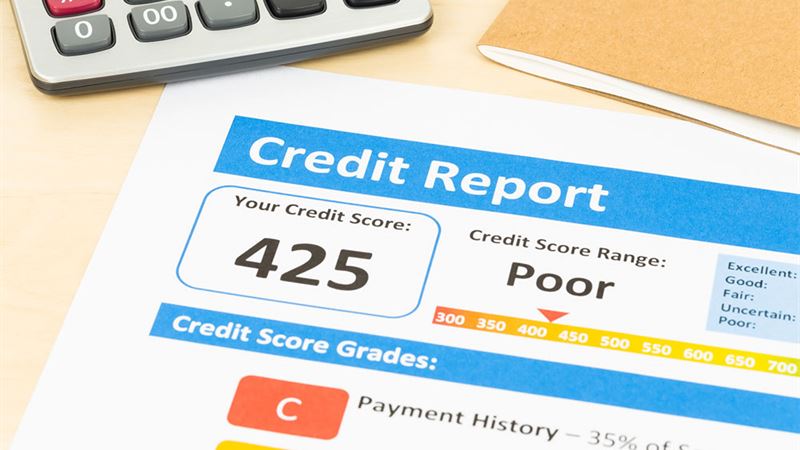
Having a less-than-ideal credit score can significantly impact your ability to secure a mortgage. Your creditworthiness influences lenders’ decisions, determining whether you qualify, the interest rates you'll receive, and the size of your down payment. Although many lenders hesitate to approve loans for individuals with poor credit, options still exist. With the right approach and knowledge of available loan types, you can improve your chances of obtaining the financing you need to purchase a home, even with a low credit score.
Understanding the nuances of mortgage eligibility criteria for borrowers with damaged credit is essential. Different loan programs and lenders have varying standards, and knowing these can help you identify suitable options. From government-insured loans like FHA and VA to private lenders offering specialized programs for less-than-perfect credit, there are pathways to homeownership for everyone.
How to Obtain a Mortgage with Poor Credit
The minimum credit score required for a mortgage varies depending on the type of loan and the lender's policies. Generally, conventional loans backed by agencies such as Fannie Mae and Freddie Mac require a minimum score of around 620. For government-backed loans, the thresholds can be lower, making them more accessible to borrowers with poor credit histories. However, achieving mortgage approval with low credit scores often involves demonstrating stability through other factors, such as steady employment, sufficient income, and manageable debt levels.
In addition to understanding these thresholds, it’s crucial to consider your overall financial profile. Improving your credit score before applying can increase your chances of approval and lead to better interest rates. Below, we explore different loan types and their specific requirements, as well as tips on how to qualify and what lenders typically look for.
Different Types of Mortgages Available for Borrowers with Low Credit Scores
- Conventional Loans
- USDA Loans
- FHA Loans
- VA Loans
Conventional mortgages are not insured by the government and are typically offered by private lenders. The Federal Housing Finance Agency (FHFA) oversees these loans, and they often require a minimum credit score of 620. Down payments start as low as 3%, but higher scores can help you secure more favorable terms. Applicants should also demonstrate sufficient income, a stable employment history, and manageable debt ratios to qualify.
The United States Department of Agriculture (USDA) provides mortgage options for rural and suburban homebuyers with low to moderate incomes. These loans often do not require a down payment and come with competitive interest rates. To qualify, applicants must have a minimum credit score of 620 and meet income eligibility requirements. USDA loans are particularly appealing for those with limited savings, offering an affordable pathway to homeownership.
The Federal Housing Administration (FHA) offers loans designed specifically for first-time homebuyers and those with weaker credit histories. FHA loans accept credit scores as low as 580 with a 3.5% down payment. If your credit score is between 500 and 579, a 10% down payment may be required. These loans are popular among borrowers with credit challenges because they have relaxed qualification standards and more flexible income requirements.
Available exclusively to active military service members, veterans, and eligible spouses, VA loans require no minimum credit score. They offer competitive interest rates, limited or no down payments, and flexible qualification standards. Because of their leniency, VA loans are excellent options for qualified borrowers with poor credit histories, enabling faster and easier access to mortgage funding.
Leading Lenders and How They Serve Borrowers with Low Credit Scores
Numerous lenders understand that borrowers with poor credit still have the potential to become homeowners. Many employ flexible qualifying criteria and specialized programs tailored to such applicants. Here are some of the top lenders known for offering mortgages for individuals with low credit scores:
- New American Funding
- PNC Bank
- Carrington Mortgage Services
- CitiMortgage
- Wells Fargo
- Navy Federal Credit Union
This lender offers a broad array of mortgage options, embracing borrowers with credit scores as low as 620 or even lower in certain cases. They consider additional qualifications such as employment history, assets, and property type. Their flexible policies aim to assist those with less-than-stellar credit histories in achieving homeownership.
Pittsburgh-based PNC Bank provides various loan products catering to borrowers with credit scores ranging from 580 to 620. They require a down payment between 0% and 3.5%. PNC’s diverse offerings include options that eliminate private mortgage insurance (PMI) and other features favorable to buyers with credit issues.
Known for its flexible lending criteria, Carrington offers their Flexible Advantage mortgage program, which allows applicants with credit scores as low as 550 to qualify for loans. The program presents several low-down-payment options, making it accessible for individuals working to rebuild their credit or purchase properties with limited savings. Borrowers can inquire about personalized loan rates online, streamlining the process of acquiring home financing.
This lender specializes in low-down-payment mortgages, often requiring only 3% for standard purchases and 5% for multi-family properties. They accept credit scores between 580 and 620, offering competitive interest rates and a variety of loan types, including jumbo and conforming mortgages. CitiMortgage’s flexibility makes them a good choice for borrowers with imperfect credit and limited savings.
Wells Fargo is one of the leading banks providing mortgage solutions tailored for borrowers with lower credit scores. Typically, applicants need a credit score of at least 620, along with a down payment of about 3%. They stand out for their broad range of mortgage products, including options that do not require income verification, and their willingness to consider a wide spectrum of credit histories.
Specializing in VA loans, Navy Federal offers competitive rates and streamlined loan processes. There is no minimum credit score for VA loans, although a score of 580 is generally required for conventional loans. Navy Federal’s extensive network and prompt service make it an attractive choice for military personnel and veterans seeking home financing with less-than-perfect credit.
Practical Tips to Improve Your Chances of Mortgage Approval
If you have a low credit score, consider taking steps to strengthen your financial profile before applying for a mortgage. Here are some proven strategies to enhance your chances of approval and secure better terms:
- Review your credit report for errors or outdated information. Dispute inaccuracies to improve your score.
- Reduce your overall debt load, especially high-interest credit card balances.
- Establish a consistent payment history by paying bills on time.
- Save for a larger down payment which can offset lower credit scores, making your application more attractive.
- Limit new credit inquiries before applying, as too many can temporarily lower your score.
Additionally, consulting with a mortgage advisor or financial counselor can help identify tailored strategies suited to your financial situation. Being transparent about your circumstances and demonstrating stability can convince lenders of your creditworthiness despite past challenges.
Conclusion
While a low credit score can seem like a major hurdle, it doesn't necessarily prevent you from achieving homeownership. Understanding your options — including government-backed loans, private lender programs, and improving your credit standing — is critical. By leveraging these resources, working on your credit health, and choosing the right lender, you can find a mortgage that fits your financial condition. Remember, patience and preparedness are key. With perseverance, owning a home remains within your reach, regardless of your credit history.