
Comprehensive Guide to Managing Pruritus in Older Adults: Causes, Signs, and Effective Remedies
This comprehensive guide explores the causes, symptoms, and effective management techniques for itchy skin among seniors. It emphasizes gentle skin care, hydration, and home remedies suitable for aging skin. By understanding the underlying factors and adopting practical treatments, elderly individuals can alleviate discomfort and prevent complications, enhancing their overall well-being and quality of life.
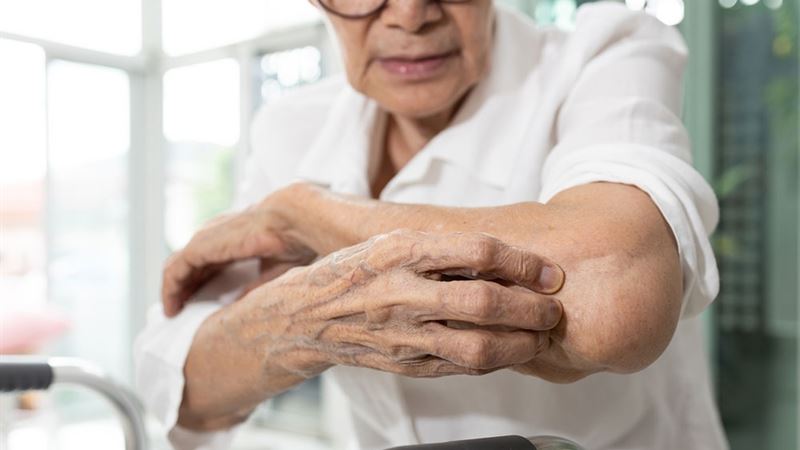
Itching is a common concern among seniors, often stemming from a variety of health and environmental factors. Understanding the root causes of pruritus (itchy skin) in elderly populations is crucial for effective treatment and management. As the skin ages, its structure and function change significantly, leading to increased vulnerability to dryness, irritation, and infections. Furthermore, internal medical conditions and external environmental influences can exacerbate these symptoms, making it essential to identify and address each contributing factor carefully. This comprehensive guide delves into the primary causes of itchy skin in seniors, highlights their symptoms, and offers practical, safe remedies to alleviate discomfort and improve quality of life.
Age-related changes profoundly influence skin integrity. The loss of subcutaneous fat, diminishing collagen and elastin, and reductions in sweat and oil production lead to xerosis—commonly known as dry skin. This condition often presents as intense itching, especially in colder months or in dry indoor environments. Moreover, conditions like eczema (atopic dermatitis) become more prevalent with age, further contributing to skin dryness and irritation. Autoimmune factors play a pivotal role here, with immune dysregulation resulting in gaps within the skin barrier, allowing allergens and pathogens easier access, intensifying irritation.
- Dry Skin (Xerosis): One of the foremost causes of age-related pruritus is dry skin, which emerges when the skin cannot retain sufficient moisture. This is often aggravated by environmental factors such as low humidity, heating systems, or air conditioning, which strip away natural oils. The resulting dehydration tends to cause roughness, scaling, and severe itching. In elderly individuals, the reduced activity of sebaceous glands means less natural lubrication, making moisture retention challenging. The itching severity can fluctuate, worsening during seasonal transitions or in arid climates.
- Eczema and Dermatitis: Atopic dermatitis, or eczema, is characterized by inflammation driven by immune system irregularities. It manifests as dry, itchy patches that may become cracked or blistered, fostering secondary infections. The autoimmune nature of eczema involves genetic predispositions that, when combined with age-related skin barrier impairment, lead to persistent symptoms. Triggers include soaps, harsh cleaning products, fragrances, and environmental allergens like pollen or pet dander.
- Allergic Reactions and Contact Dermatitis: Seniors are more susceptible to allergic responses due to compromised skin defenses. Contact dermatitis occurs when skin comes into contact with allergens such as certain metals in jewelry, chemicals in cleaning products, specific fabrics, or plants like poison ivy. Food allergies, notably shellfish or peanuts, can also provoke skin reactions, leading to localized itchiness and swelling.
- Urticaria (Hives): An acute skin reaction characterized by the appearance of welts or swelling, hives are driven by the release of histamine. This process causes blood vessels to leak fluid, producing swelling and a sensation of intense itchiness. Hives may be triggered by food hypersensitivity, medications, insect bites, or environmental factors. They can recur frequently, causing distress and discomfort.
Recognizing the symptoms of itchy skin is vital for targeted treatment. Key indicators include:
- Persistent or intermittent itching sensations
- Redness and inflammation in affected areas
- Rashes, bumps, blisters, or welts
- Visible scratch marks or skin thickening
- soreness or pain in the itchy regions
Managing pruritus in seniors requires a multi-faceted approach, considering their heightened skin sensitivity and diminished natural defenses. Aging skin needs gentle care to prevent exacerbation of symptoms and avoid complications such as infections or skin breakdown. Here are some effective, well-researched strategies for relief:
- Maintain Adequate Skin Hydration: Regularly applying moisturizer and emollients is crucial. Products containing hyaluronic acid, glycerin, or ceramides effectively lock in moisture. Moisturizers should be applied immediately after bathing to trap residual water. Hydrated skin is less prone to cracking and less itchy, reducing the urge to scratch and subsequent inflammation or infection.
- Paraffin Wax Therapy: This treatment involves immersing or applying paraffin wax on affected areas, forming a protective barrier that enhances moisture retention. Paraffin therapy is especially beneficial for chronic conditions like psoriasis and eczema. Before application, ensure the wax temperature is comfortable to prevent burns or irritation. Regular sessions can significantly decrease dryness and itching.
- Gentle Cleansing Routine: Use mild, fragrance-free soaps and cleansers tailored for sensitive skin. Harsh detergents can strip the skin of natural oils, aggravating dryness and itchiness. Opt for pH-balanced products that preserve the skin’s protective barrier and prevent excessive moisture loss. Avoid hot water, which can further dry out the skin, preferring lukewarm options instead.
- Cool Compresses: Applying a clean, cold cloth directly to itchy spots offers immediate relief. The cooling effect temporarily numbs nerve endings, reducing the sensation of itch. It also decreases local inflammation and swelling. For home use, soak a soft cloth in cold water, squeeze out excess water, and gently apply to the skin for several minutes. Repeat as needed, but do not keep the compress for prolonged periods to avoid damaging delicate skin.
- Additional Tips and Home Remedies: Besides the above, seniors can benefit from avoiding irritants like scented lotions, harsh laundry detergents, and tightly fitted clothing. Breathing in fresh air and maintaining a humid environment indoors helps preserve skin hydration. OTC antihistamines may also be considered after medical consultation to control allergic symptoms, especially during allergy seasons.
In conclusion, managing itchy skin in older adults involves understanding the multifactorial causes—internal and external—and applying holistic, gentle care strategies. Proper moisturizing, avoiding irritants, and cautious use of therapies like paraffin waxing can dramatically improve comfort and skin health. Recognizing early symptoms and seeking tailored treatment options can prevent serious complications and help seniors enjoy a better quality of life, free from persistent discomfort.